World & Politics
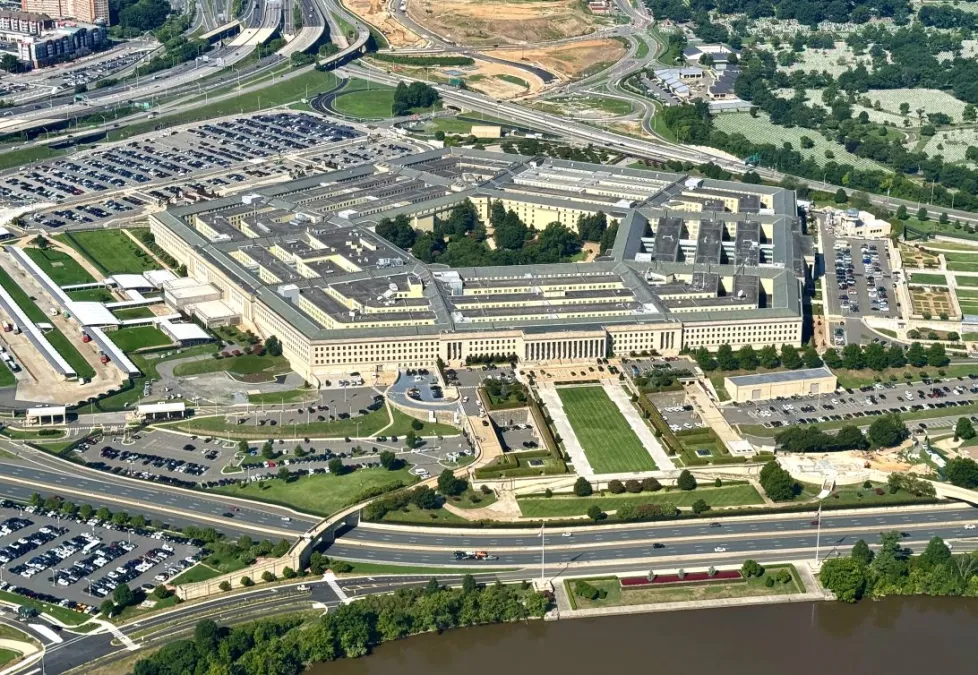
Pentagon Plans Hyperscale AI Data Centers on at Least a Dozen U.S. Military Bases
The U.S. Department of Defense is advancing plans to develop hyperscale artificial intelligence data centers on at least a dozen military bases across the country. The initiative represents one of the most significant investments in AI infrastructure by the Pentagon and signals the growing importance of advanced computing power for modern defense and national security operations.The move comes as artificial intelligence becomes increasingly central to military strategy, intelligence analysis, logistics, and decision-making.What Are Hyperscale AI Data Centers?Hyperscale data centers are massive facilities designed to support extremely large-scale computing workloads. In the context of AI, these centers would house specialized hardware—such as advanced GPUs and custom accelerators—capable of training and running sophisticated machine learning models at high speed and volume.Key characteristics include:Enormous power and cooling requirements
High-density computing infrastructure
Advanced networking for rapid data transfer
Robust physical and cybersecurity protections
Scalability to support growing AI demands
By placing these facilities on military bases, the Pentagon aims to ensure greater control, security, and integration with existing defense systems.Strategic GoalsThe project appears driven by several core objectives:Strengthening domestic AI capabilities for defense applications
Reducing reliance on commercial cloud providers for sensitive workloads
Enabling faster development and deployment of AI-powered tools
Supporting intelligence, surveillance, reconnaissance, and operational planning
Enhancing resilience against potential disruptions or foreign interference
Military leaders have increasingly emphasized the need for secure, high-performance computing resources that can operate under strict security requirements.Locations and ScopeWhile specific base names have not all been publicly confirmed, reports indicate that at least a dozen installations are under consideration or in early planning stages. These are expected to include facilities with existing infrastructure, available land, and access to sufficient power and connectivity.The scale of the initiative suggests a multi-year construction and deployment timeline, with significant investment in both physical infrastructure and supporting technology.Implications for National SecurityAI is already being applied across a range of defense functions, from analyzing satellite imagery to optimizing supply chains and supporting autonomous systems. Dedicated hyperscale data centers on military bases could accelerate these efforts by providing the computational capacity needed for more advanced models and real-time applications.At the same time, concentrating powerful AI infrastructure on military sites raises important questions about cybersecurity, physical protection, energy demand, and long-term operational costs.Industry and Policy ContextThe Pentagon’s push aligns with broader U.S. efforts to maintain leadership in artificial intelligence amid intensifying global competition. Similar investments are being made by other nations seeking to integrate AI into their defense postures.Commercial technology companies are likely to play roles as contractors, suppliers, or partners in building and equipping these facilities, though the emphasis on on-base locations points to a desire for greater government control over critical systems.Challenges AheadSeveral hurdles will need to be addressed:Securing reliable and substantial power supplies
Managing environmental and community impacts near bases
Recruiting and retaining specialized technical talent
Ensuring robust cybersecurity for highly sensitive systems
Balancing speed of deployment with thorough testing and oversight
How effectively these challenges are managed will influence the ultimate success of the program.Broader ImpactBeyond immediate military applications, the project could influence the wider AI and data center landscape. It may drive demand for specialized hardware, advanced cooling technologies, and secure cloud-like architectures designed for government use.It also highlights the increasing convergence of commercial AI progress and national security priorities.
Comments (0)
Please log in to comment
No comments yet. Be the first!