World & Politics
U.S. Embassy Tells Americans in Russia to Leave Immediately After Reports of a Suspected Plague Death
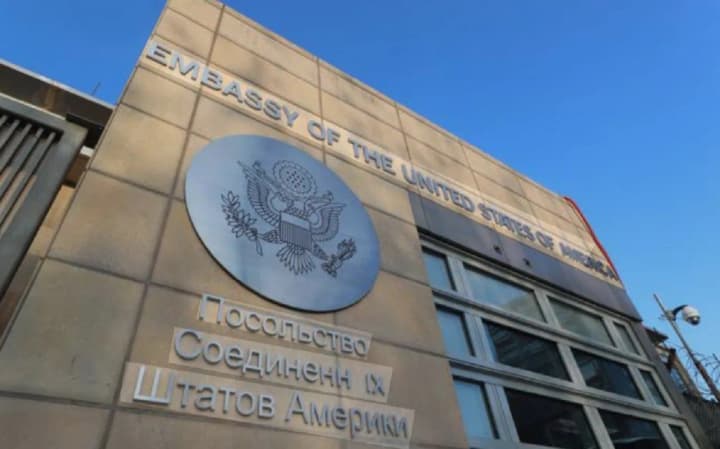
The U.S. Embassy in Russia has again told Americans to leave the country immediately.
The notice, issued October 6, says the mission is aware of press reports of a suspected pneumonic plague case in the Irkutsk region that ended in a death, and of quarantine measures and hospital closures in Irkutsk. The embassy said it is monitoring the situation. It also said the U.S. government has a limited ability to help Americans in Russia, particularly outside Moscow. The State Department’s Level 4 advisory — “Do Not Travel” — remains in force. That advisory already tells citizens in the country to depart, and tells everyone else not to go, citing wrongful detention and security risks. The health alert did not replace that warning. It sat on top of it.
Americans in the Irkutsk area were told to follow local health instructions, avoid facilities under restriction, and get medical care quickly if they develop a fever or respiratory symptoms. The notice points them to CDC information on plague and to the current CDC travel note for Russia. An emergency departure plan that does not depend on the U.S. government is the standing instruction.
What Is Confirmed and What Is Reported
The embassy has not, in the language carried from the alert, declared an outbreak. It has said it is tracking reports. Those reports, in Russian and international coverage, identify a 28-year-old laboratory worker at the Irkutsk Anti-Plague Research Institute who died in early October at a district hospital in Shelekhov. One account names her as Daria Shipilova and dates the death to October 2, “allegedly” from pneumonic plague. Hospital closures and quarantine steps in Irkutsk are part of the same press accounts. Independent confirmation of the cause of death, the number of contacts, and whether any secondary illness has been found was not in the embassy text.
That gap matters. A suspected death in a plague-research lab is a serious local event. A nationwide instruction to leave is a diplomatic one, and the State Department has been issuing the leave-now line for years for reasons that have nothing to do with a hospital in Siberia. Readers who treat the October 6 alert as proof of a spreading epidemic are ahead of what the embassy wrote. Readers who treat it as a routine reprint of the Level 4 page are behind it. The mission chose to attach a health report to a departure order.
Why the Advisory Was Already at the Ceiling
Russia has been Level 4 since the full-scale war in Ukraine. The published reasons are terrorism, unrest, wrongful detention, and the limited help Washington can offer. Consulates in Vladivostok and Yekaterinburg are suspended. Embassy staffing in Moscow is reduced. Russian authorities restrict travel by embassy personnel. Consular access to a detained American is not guaranteed. An August 7 security alert, still on the embassy site, cited drone attacks far from the Ukrainian border — Ufa, Omsk, Perm, Yekaterinburg — and repeated the same sentence: citizens should leave immediately, and should have a plan that does not rely on the U.S. government.
The plague notice does not create a new legal category. It adds a health reason to a warning that was already the highest the department uses. For an American in Moscow on a visa, the practical change is small if they had already been told to go. For an American in Irkutsk, the practical change is the local instruction: stay away from restricted hospitals, watch for fever and respiratory symptoms, and do not expect a consular officer to reach them.
What the Health Report Is
Pneumonic plague is the lung form of the infection caused by the bacterium that also causes bubonic plague. It is the form that can pass person to person through respiratory droplets when someone is sick, which is why a single suspected death in a lab triggers quarantine language. It is treatable with antibiotics when it is caught early. The embassy’s advice to seek care for fever or breathing symptoms is the public-health sentence. It is not a diagnosis, and it is not a claim that cases have been found outside the Irkutsk reports.
The institute named in the coverage exists to study plague. A death of an employee there is the scenario those labs plan for, and the scenario local authorities either confirm or knock down. Until Irkutsk health officials publish a case count, the U.S. alert remains a monitor-and-depart note, not an epidemiological bulletin.
What to Watch
Whether Russian health authorities confirm the cause of death and any further cases.
Any update from the embassy that moves from “reports” to a confirmed case count.
Flight availability out of Irkutsk and Moscow for the Americans the notice is aimed at.
Whether the CDC travel note for Russia changes.
Any detention or access problem that tests the “limited ability to assist” line while people try to leave.
The embassy told Americans to leave immediately. That sentence was already on the Level 4 page. What is new is the reason it gave on October 6: press reports of a suspected pneumonic plague death in Irkutsk, quarantine, and closed hospitals, in a country where Washington says it cannot reliably help. The departure order is clear. The size of the outbreak, on the embassy’s own wording, is not yet.
Comments (0)
Please log in to comment
No comments yet. Be the first!