World & Politics
Attack at Saudi Airport and Oilfield Prompts U.S. Personnel Drawdown
# Attack at Saudi Airport and Oilfield Prompts U.S. Personnel Drawdown
**Published: October 22, 2026 | Digital8Hub News Desk**
The United States has ordered non-emergency government employees and their families to leave Saudi Arabia following a series of deadly attacks targeting critical infrastructure, including an international airport and an oilfield. The decision marks a significant escalation in security concerns across the Middle East as fighting involving Yemen's Houthi movement threatens civilian transport, energy facilities and regional stability.
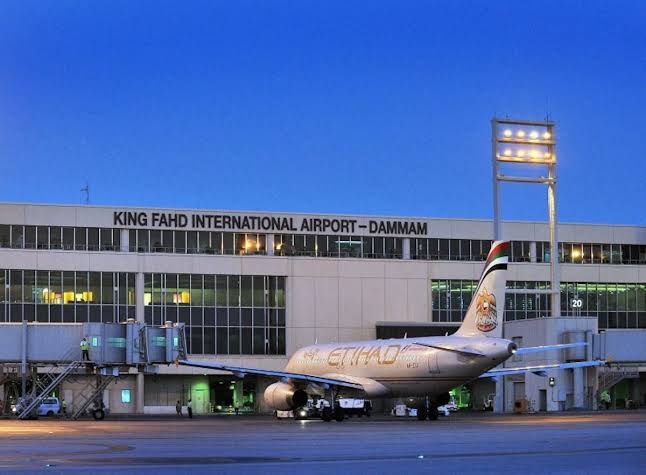
The latest reported incidents occurred on Wednesday, October 21. An attack at King Fahd International Airport in Dammam killed one person and injured eight, according to reports. At the Shaybah oilfield, two workers were killed by debris from an intercepted drone.
The developments prompted Washington to take additional precautions for diplomatic personnel stationed in the kingdom. They have also renewed questions about the vulnerability of important energy infrastructure and the potential consequences of further escalation.
## Why Is the United States Withdrawing Personnel From Saudi Arabia?
The U.S. State Department announced an ordered departure for non-emergency government employees and their family members in Saudi Arabia. The measure covers the U.S. diplomatic mission in Riyadh and its consular facilities in the kingdom.
State Department spokesperson Tommy Pigott cited increasingly hostile actions by Iran-supported Houthi forces against Saudi Arabia, including attacks on civilian airports and other critical infrastructure that have caused casualties and significant travel disruption.
Washington said protecting government personnel and their families remains a priority.
The order is a precautionary security measure. It does not, by itself, mean that the United States has closed its embassy or withdrawn every American official from Saudi Arabia.
The announcement also requires careful interpretation. Although reports have raised questions about possible personnel departures elsewhere in the Gulf, the State Department said its formal ordered departure applied to Saudi Arabia only and rejected reports of a wider regional order.
The decision reflects growing concern that attacks on Saudi territory could continue and that the security situation may deteriorate quickly.
## Deadly Attack at King Fahd International Airport
King Fahd International Airport, which serves Dammam in eastern Saudi Arabia, was among the sites affected by the latest violence.
Reports on October 22 said an attack killed one person and injured eight. The incident adds to a series of attacks that have disrupted Saudi aviation in recent weeks.
Airports are critical infrastructure because they support commercial travel, international business, cargo movements and emergency operations. Disruptions can affect airlines, passengers, tourism and the movement of workers across the region.
The security situation has already affected operations at Riyadh's King Khalid International Airport, which experienced earlier attacks and restrictions. The airport's operating status and available flights have changed during the crisis, making it important for travellers to check current information directly with airlines and Saudi authorities.
The latest incident in Dammam highlights the challenge of protecting transport hubs when threats involve missiles or unmanned aerial vehicles.
For airlines, repeated attacks can lead to flight cancellations, rerouting, additional insurance costs and operational uncertainty. For passengers, the immediate consequences may include delays, missed connections and changes to travel plans.
## Two Workers Killed at the Shaybah Oilfield
The reported deaths of two workers at the Shaybah oilfield have added to concerns about Saudi Arabia's energy infrastructure.
According to reports, debris from an intercepted drone killed two workers at the facility. The incident demonstrates that intercepting an aerial threat does not necessarily eliminate all risks to people on the ground.
Shaybah is a major Saudi oilfield operated by Saudi Aramco. Energy facilities are strategically important because they support oil production and the wider network used to transport and export petroleum.
Attacks or disruptions involving oilfields, refineries, pipelines and export terminals can affect production, logistics and market confidence. Even when physical damage is limited, uncertainty about future attacks may influence commercial decisions and energy-market expectations.
However, the deaths at Shaybah do not automatically establish that Saudi Arabia's overall oil production has fallen. The scale of any operational disruption, damage to equipment and effect on exports requires separate confirmation from reliable reporting or official statements.
For international energy markets, the critical questions are whether attacks continue, whether production or export infrastructure is affected, and whether shipping routes remain accessible.
## What Role Are Yemen's Houthis Playing?
The Houthi movement is an armed political and military group based in Yemen. It has fought Yemen's internationally recognized government and has previously targeted regional infrastructure and shipping.
Recent attacks have intensified as the conflict involving Saudi Arabia and Houthi forces has escalated. The United States has attributed the growing threat to Iranian-supported Houthi hostilities, although responsibility for individual incidents should be assessed using the latest verified reporting.
The wider conflict is connected to regional tensions involving Iran, the United States and other Middle Eastern actors. These overlapping confrontations increase the risk that an attack in one location could trigger retaliation or broaden the conflict.
Saudi Arabia has long been involved in Yemen's war, and the breakdown of earlier arrangements has renewed the threat along the kingdom's southern border and beyond.
The consequences extend beyond military positions. Civilian airports, energy facilities, commercial transport and workers can all be affected when hostilities expand.
## Could the Attacks Affect Global Oil Prices?
Saudi Arabia is one of the world's most important oil producers, making the security of its energy infrastructure a significant issue for international markets.
Attacks on oilfields and related facilities can create concern about supply disruptions. If market participants believe that production or exports could be interrupted, oil prices may become more volatile.
Several factors determine the actual market impact:
- **Damage to production facilities:** Significant damage that reduces output could tighten supply.
- **Export and shipping disruptions:** Delays or restrictions affecting oil terminals and shipping routes could increase transport costs.
- **Duration of the conflict:** A short-lived incident may have a different effect from a sustained campaign against energy infrastructure.
- **Spare production capacity and inventories:** Available supplies elsewhere can help offset some disruptions.
- **Diplomatic and military responses:** Efforts to contain the conflict may reduce uncertainty, while retaliation could increase it.
The latest attacks are a reason to monitor energy markets, but they do not establish a particular future oil price. Any forecast should account for verified damage, production data, shipping conditions and broader supply-and-demand trends.
Consumers may also feel indirect effects if sustained disruption raises fuel prices, freight costs or the cost of transporting goods. The size and timing of any impact would depend on market conditions.
## What Does the U.S. Drawdown Mean for Regional Security?
The departure order sends a clear signal that Washington considers the security environment serious enough to require additional precautions for its diplomatic community.
It also creates a difficult balance for U.S. policymakers. Washington must protect its personnel while considering its security relationship with Saudi Arabia and the risk that further military involvement could widen the conflict.
The drawdown should not be confused with a confirmed decision to withdraw all U.S. military forces from the kingdom. Diplomatic personnel, their families and military personnel are different groups, and changes affecting one do not automatically establish changes affecting the others.
Further developments will depend on the frequency and scale of attacks, Saudi Arabia's response, the posture adopted by Washington and whether diplomatic efforts can limit the fighting.
Regional governments and international partners will also be watching for signs that civilian infrastructure and commercial transport can be protected from additional attacks.
## What Should Travellers and Businesses Know?
Anyone planning travel to Saudi Arabia should check official travel advisories, airline notifications and airport announcements before departure.
Travellers should confirm flight status directly with their airline, allow extra time for changes and follow instructions issued by local authorities. U.S. citizens should consult the latest U.S. Embassy security alerts and State Department travel guidance.
Companies with staff, contractors or facilities in the kingdom should review their emergency communications, staff accountability procedures, travel arrangements and business-continuity plans.
Energy companies and logistics providers should monitor official operational updates rather than assume that every reported attack has caused a production shutdown.
The security situation is changing, so information published today may need updating as new official statements and verified reporting become available.
## Frequently Asked Questions
### Why did the United States order personnel to leave Saudi Arabia?
The State Department cited increasingly hostile Houthi actions against Saudi Arabia, including attacks on civilian airports and critical infrastructure that have caused casualties and disrupted travel.
### How many people were killed in the latest reported attacks?
Reports on October 22 said one person was killed at King Fahd International Airport in Dammam and two workers were killed by debris from an intercepted drone at the Shaybah oilfield.
### Is the U.S. Embassy in Riyadh closing?
The ordered departure of non-emergency employees and their families does not, by itself, mean the embassy is closing. Check the embassy's latest official announcements for its operating status.
### Will the attacks cause oil prices to rise?
They could increase market uncertainty, particularly if production or exports are disrupted. The actual effect on prices depends on the scale and duration of any supply interruption and wider market conditions.
### Are flights to Saudi Arabia operating normally?
Flight conditions have varied during the recent attacks. Travellers should confirm their specific route and departure time with their airline and check current airport notices before travelling.
## Conclusion
The attacks at Dammam airport and the Shaybah oilfield, followed by the U.S. order for non-emergency personnel and their families to leave Saudi Arabia, underline the growing security risks facing the kingdom.
The immediate concerns are civilian safety, the protection of critical infrastructure and the potential for further disruption to regional transport and energy operations. The broader implications will depend on whether the violence continues, how Saudi Arabia and the United States respond, and whether diplomatic efforts can prevent further escalation.
Digital8Hub will continue monitoring verified developments concerning Saudi Arabia, the Houthi conflict, regional security and global energy markets.
**Editorial note:** This article reflects reporting available on October 22, 2026. Details may change as authorities release additional information. Allegations of responsibility and the operational impact of attacks should be updated as they are independently verified.
Comments (0)
Please log in to comment
No comments yet. Be the first!