World & Politics
Iran and US Agree to Halt Attacks and Renew Talks Over Strait of Hormuz
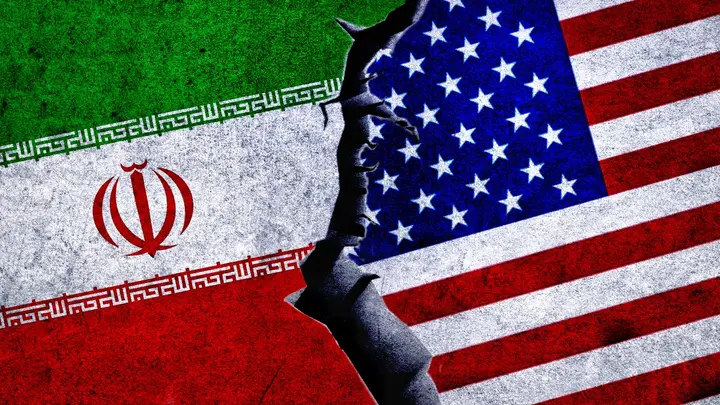
In a significant development amid ongoing regional volatility, the United States and Iran have agreed to halt recent hostilities in the Gulf and resume diplomatic talks. This move, confirmed by a senior U.S. official on June 28, 2026, raises hopes of preserving the fragile interim peace deal that came under pressure from days of tit-for-tat strikes.The agreement follows Iranian strikes on U.S. military sites in Bahrain and Kuwait, as well as U.S. responses to incidents involving shipping in the Strait of Hormuz. Both sides have now committed to standing down, allowing vessels to move freely in the critical waterway. Technical talks are set to continue, with a planned meeting in Qatar’s capital as early as this week.“We decided to stop all the kinetic activity,” the U.S. official stated, signaling a clear pause in direct military actions.Background: From Ceasefire to Recent Flare-UpThis latest de-escalation builds on the June 17 Memorandum of Understanding (MOU) signed by President Donald Trump and Iranian President Masoud Pezeshkian. The 14-point interim agreement aimed to end active hostilities, reopen the Strait of Hormuz to international shipping, and launch 60 days of negotiations on key issues including Iran’s nuclear program, sanctions relief, and regional security.Despite the MOU, recent maritime incidents threatened to unravel progress. The Strait of Hormuz — a vital chokepoint for global oil transport — remains central to the tensions.Mediators from Qatar and Pakistan have played key roles in keeping communication channels open.What the Agreement MeansImmediate Relief — A pause in strikes reduces escalation risks and supports smoother commercial shipping.
Ongoing Talks — Focus areas include finalizing nuclear safeguards, sanctions relief, frozen assets, and de-escalation in Lebanon and the Gulf.
Broader Context — This comes against the backdrop of the 2026 Iran conflict, which has caused significant casualties, displacement, and economic strain.
Both nations appear motivated to stabilize the situation: the U.S. seeks to avoid prolonged conflict and higher oil prices, while Iran faces domestic and economic pressures.Challenges AheadSkepticism remains warranted. Previous ceasefires have faltered, and hardliners on both sides could undermine progress. Key sticking points include verification mechanisms and the role of regional actors. Iran has previously warned it could halt talks if attacks continue.Outlook: Cautious OptimismThis agreement offers breathing room in one of the world’s most volatile regions. Success in the upcoming Qatar talks could pave the way for a more comprehensive resolution.At Digital8Hub.com, we will continue monitoring developments closely. What are your thoughts on this latest U.S.-Iran development? Could it lead to lasting stability, or is it another temporary pause? Share your views in the comments.All analysis and reporting by Digital8Hub.com editorial team.
Comments (0)
Please log in to comment
No comments yet. Be the first!