World & Politics
Draft Iran-U.S. Memorandum of Understanding Includes Major U.S. Security and Sanctions Commitments
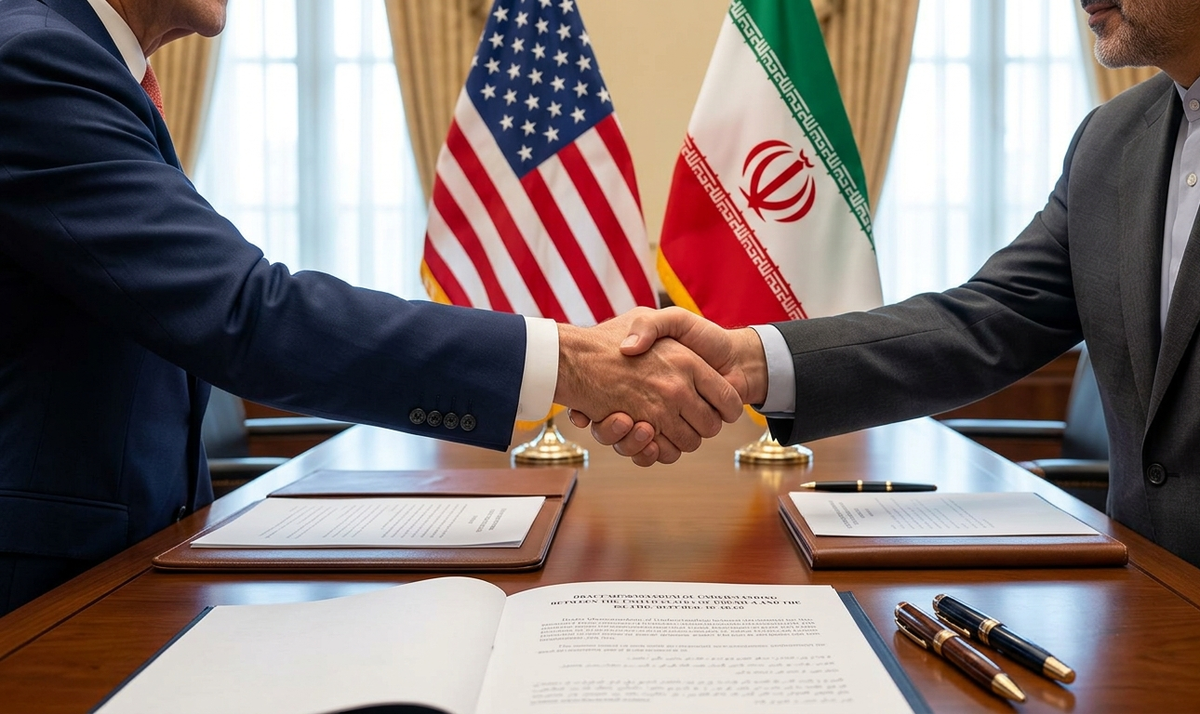
A draft version of a Memorandum of Understanding (MoU) between Iran and the United States has surfaced, revealing substantial commitments from Washington aimed at reducing tensions and establishing a framework for long-term de-escalation in the Middle East.According to sources familiar with the document, the draft includes clear U.S. guarantees on security issues and conditional sanctions relief — marking one of the most significant diplomatic developments between the two nations in recent years.Key U.S. Commitments in the DraftThe document reportedly outlines several major points from the American side:Security Guarantees: The U.S. is said to offer assurances against military strikes on Iranian nuclear facilities and key infrastructure in exchange for verifiable limits on Iran’s nuclear program.
Sanctions Relief: Phased lifting of certain economic sanctions tied to Iran’s compliance with the agreement’s terms.
Regional De-escalation: Joint mechanisms to reduce proxy conflicts in Iraq, Syria, Lebanon, and Yemen.
Energy and Economic Cooperation: Potential pathways for Iran to re-enter global oil markets more fully.
The draft emphasizes that all commitments are conditional and subject to verification by international monitors.Background and ContextThe emergence of this draft comes after months of indirect negotiations facilitated by third parties. Tensions between Iran and the United States have remained high due to the ongoing nuclear issue, regional proxy conflicts, and recent military exchanges.Both sides appear motivated to reach an understanding before the situation escalates further, particularly given the impact on global energy markets and broader Middle East stability.ReactionsIranian Officials: Have described the draft as “a step in the right direction” but insist on stronger guarantees regarding sanctions relief and sovereignty issues.
U.S. Administration: Has remained relatively quiet publicly, with sources indicating the document is still under review and subject to change.
Israel: Reportedly strongly opposes any agreement that does not include ironclad restrictions on Iran’s nuclear ambitions.
Gulf States: Mixed reactions, with some welcoming de-escalation while expressing concern about Iran’s regional influence.
Potential ImpactIf finalized and implemented, this MoU could:Significantly reduce the risk of direct military confrontation
Stabilize global oil prices
Open new diplomatic channels in the Middle East
Influence domestic politics in both Iran and the United States
However, significant hurdles remain, including domestic opposition in both countries and deep-seated mistrust built over decades.What Happens Next?Negotiators from both sides are expected to continue refining the draft in the coming weeks. Any final agreement would likely require approval at the highest levels and could face intense scrutiny from Congress and regional allies.This development represents a potential turning point in one of the world’s most volatile relationships. While optimism is cautious, the existence of a detailed draft suggests both sides are seriously exploring a path toward normalization.We will continue monitoring this fast-moving story and provide updates as more details emerge from official channels.
Comments (0)
Please log in to comment
No comments yet. Be the first!