Health & Fitness
Ebola Outbreak in DR Congo Surges Past 3,200 Cases and 1,405 Deaths
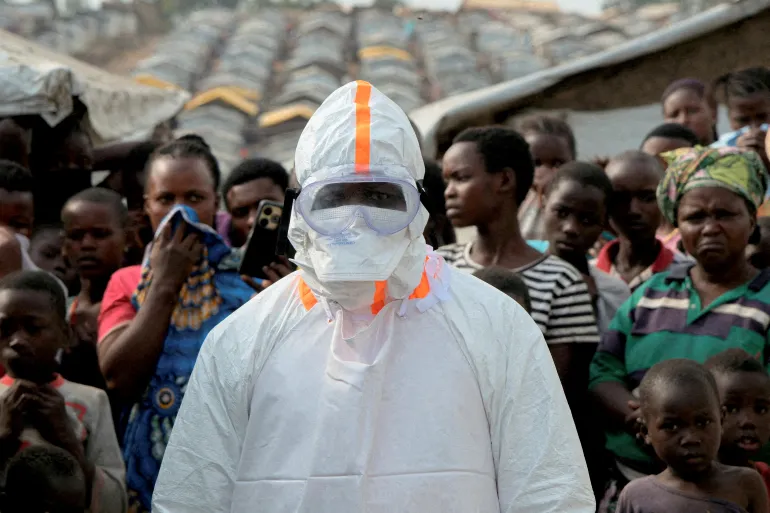
The ongoing Ebola outbreak in the Democratic Republic of Congo (DRC) has taken a serious turn, with official figures now reporting 3,200 confirmed infections and 1,405 deaths. The surge underscores the persistent challenges of containing the virus in a country that has faced multiple Ebola epidemics over the past decade.Health officials and international partners are intensifying response efforts as the outbreak continues to claim lives and strain local healthcare systems.Current SituationAccording to the latest data from health authorities:Confirmed cases have risen to 3,200
Deaths stand at 1,405, reflecting a high case fatality rate
The outbreak remains concentrated in several provinces, with new clusters emerging in previously less-affected areas
Contact tracing and isolation efforts are underway but face logistical hurdles
The numbers represent one of the more severe recent flare-ups in the region and have prompted heightened alerts from the World Health Organization and partner agencies.Challenges on the GroundContaining Ebola in the DRC has long been complicated by several factors:Difficult terrain and limited infrastructure in affected areas
Insecurity and conflict that restrict access for health workers
Community distrust and reluctance to seek treatment in some regions
Overstretched health facilities and shortages of protective equipment
The virus’s ability to spread through close contact with bodily fluids
These challenges make rapid detection, isolation, and treatment more difficult, allowing the outbreak to expand.Response EffortsAuthorities and international partners are scaling up several key interventions:Expanded vaccination campaigns using available Ebola vaccines
Strengthened surveillance and contact tracing
Deployment of additional medical teams and treatment centers
Community engagement and public awareness programs
Support for safe burial practices to reduce transmission
Despite these measures, the rising case count indicates that more resources and coordination will be needed to bring the outbreak under control.Regional and Global ImplicationsWhile the outbreak remains primarily within the DRC, neighboring countries are on high alert. Cross-border movement and trade raise the risk of the virus spreading beyond national borders. International health agencies are monitoring the situation closely and providing technical and material support.The outbreak also serves as a reminder of the ongoing threat posed by viral hemorrhagic fevers and the importance of sustained investment in public health systems in high-risk regions.Historical ContextThe Democratic Republic of Congo has experienced multiple Ebola outbreaks since the virus was first identified in 1976 near the Ebola River. Previous epidemics, including the major outbreak of 2018–2020, demonstrated both the devastating impact of the disease and the progress that has been made in vaccines, treatments, and response strategies.However, each new outbreak brings fresh challenges, particularly when it occurs in areas with ongoing conflict or limited healthcare access.What Needs to Happen NextExperts emphasize several priorities:Rapid expansion of vaccination coverage in affected and at-risk communities
Improved security and access for response teams
Stronger community trust and cooperation
Sustained international funding and logistical support
Investment in long-term health system strengthening
Without accelerated action, the outbreak risks becoming even more difficult to control.
Comments (0)
Please log in to comment
No comments yet. Be the first!