Health & Fitness
GLP-1 Vision-Loss Suits Grow as Patients Allege NAION After Ozempic, Wegovy, and Zepbound
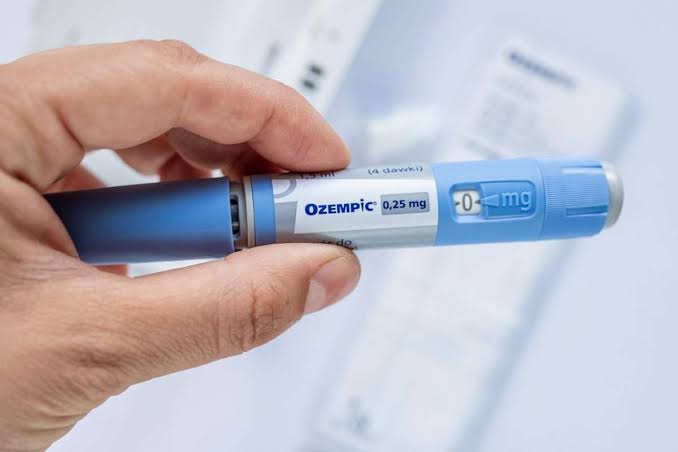
A patient starts semaglutide or tirzepatide — Ozempic or Wegovy from Novo Nordisk, Zepbound or Mounjaro from Eli Lilly, sometimes Trulicity or Rybelsus. Months later they wake up with a hole in one eye, or lose the field outright. Doctors write NAION: non-arteritic anterior ischemic optic neuropathy. Blood flow to the optic nerve fails. The damage is usually permanent. There is no proven drug that puts the nerve back.Plaintiffs say the companies knew or should have known the risk and left it off U.S. warning labels. Some other countries have updated language. The United States has not added an NAION warning. That gap is the lawsuit.Federal vision claims now sit in MDL-3163 in the Eastern District of Pennsylvania before Judge Karen S. Marston — the same judge who runs the much larger gastrointestinal GLP-1 MDL (stomach paralysis, ileus, obstruction), which has passed 4,000 cases. The eye docket is smaller and newer: created December 15, 2025, grown from a handful of transfers to more than 200 pending actions by September. New Jersey state court has its own cluster approaching 100 NAION files. Philadelphia has another. “Dozens” is the weekly news hook. The running federal count is already in the low hundreds and still climbing.Nobody has won a verdict. Nobody has announced a settlement. Science Day — lawyers walking the judge through studies — was on the 2026 calendar. General causation and preemption are supposed to be fought before individual trials.What NAION Is — and Is NotNAION is uncommon. It tends to hit people over 50. Diabetes, sleep apnea, small optic cups, and blood-pressure swings are known associations. Millions of people take GLP-1 drugs. A rare outcome in a huge population will produce cases whether or not the drug is the cause. That is why epidemiology, not a single tragedy, will decide the MDL.A 2024 Harvard / Mass Eye and Ear analysis in a major ophthalmology journal reported higher NAION rates among semaglutide users than among matched patients on other diabetes or weight-loss drugs — on the order of fourfold in a diabetes cohort and higher in a weight-loss cohort in that paper’s framing. Later record studies, including Veterans Affairs data comparing GLP-1s with SGLT2 inhibitors, have described more modest elevations. Danish work has also flagged increased risk with semaglutide. Absolute numbers stay small: tens of events inside huge cohorts.Companies have pointed to confounding — the same patients who get these drugs already carry vascular risk — and to the absence of a proven mechanism that would make a weekly injection infarct an optic nerve. Plaintiffs point to the timing, the labels abroad, adverse-event reports, and the decision not to tell U.S. prescribers to watch the eyes.Both things can be true at once: the drugs changed obesity and diabetes care, and a subset of users allege a catastrophic, irreversible injury they say they were never warned about.The Legal TheoryFailure to warn. Design defect and warranty claims travel with it. The “magic pill” marketing line appears in complaints as motive: downplay rare disasters so the category keeps growing.Lilly asked to consolidate the vision cases. Some plaintiffs opposed, preferring home courts. The panel centralized them anyway so one judge hears the science once.A separate GI MDL already forced an FDA gastroparesis-related label update in 2025. Vision plaintiffs want the same kind of ink on the U.S. insert. Until a court or the agency moves, the warning fight is the case.How Patients Should Read ThisThis is not medical advice. Do not stop a prescribed GLP-1 because of a headline. Sudden vision change is an emergency regardless of medication — same-day eye care, not a search bar.Risk, if it exists, looks rare in the published cohorts. Diabetes itself threatens the eye. The lawsuits allege a failure to disclose an incremental risk, not that every user goes blind.What Comes NextMore filings as awareness spreads. Expert reports. A ruling on whether the science is strong enough to let a jury hear “this drug caused this nerve infarct.” Years, not months, before any mass resolution.Novo and Lilly remain two of the most valuable health companies on earth because these drugs work for weight and glucose. The docket is the price of scale: rare events become visible only after millions of prescriptions.
Comments (0)
Please log in to comment
No comments yet. Be the first!