World & Politics
US-Iran Deal Promises End to War, But Critical Details on Implementation Remain Unclear
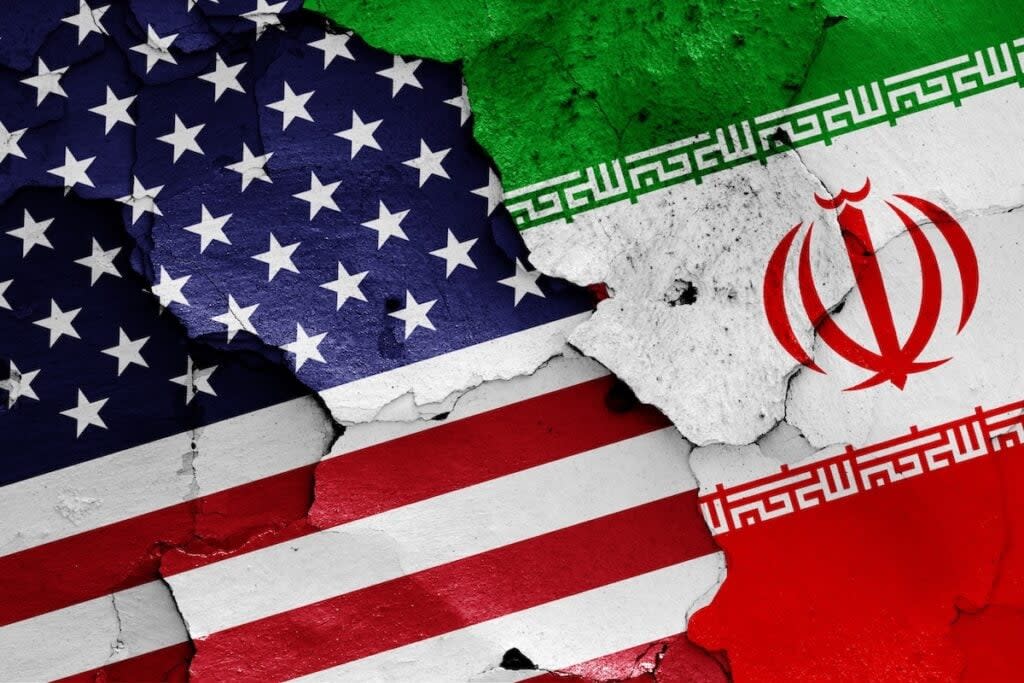
In a significant diplomatic breakthrough, the United States and Iran have announced a framework agreement intended to end the ongoing conflict and reduce tensions that have gripped the Middle East for months. While both sides hailed the deal as a historic step toward peace, experts and regional observers are warning that the agreement is still vague on how it will actually be implemented.The deal, described by U.S. officials as a “Memorandum of Understanding,” includes commitments to cease military actions, gradual sanctions relief, and security guarantees — but leaves many operational details open for future negotiation.What the Deal PromisesAccording to statements from both governments, the core elements include:Immediate cessation of direct military hostilities
U.S. security assurances regarding Iranian nuclear sites
Phased lifting of economic sanctions tied to verifiable compliance
Establishment of a monitoring mechanism involving international partners
Commitments to reduce proxy conflicts across the region
President Trump called the agreement “a big win for peace” and predicted lower oil prices as a result. Iranian officials described it as “a step toward justice and sovereignty.”The Implementation ProblemDespite the optimistic language, several critical questions remain unanswered:Verification Mechanism: How will compliance with nuclear limits and military de-escalation be independently verified?
Timeline: No clear schedule has been released for sanctions relief or withdrawal of forces.
Enforcement: What happens if one side violates the agreement? Are there automatic penalties or dispute resolution processes?
Proxy Forces: Will Iran reduce support for groups in Lebanon, Yemen, and Iraq? The deal is vague on this point.
Sanctions Scope: Which specific sanctions will be lifted and on what timeline?
These gaps have led many analysts to describe the agreement as more of a “ceasefire in principle” than a fully fleshed-out peace accord.Reactions from Key PlayersIsrael: Strongly opposed to the deal, calling it “dangerously naive” and warning it could embolden Iran.
Saudi Arabia & Gulf States: Cautiously optimistic but demanding stronger guarantees against Iranian regional influence.
China & Russia: Welcomed the agreement as a step toward stability.
U.S. Congress: Bipartisan skepticism, with many lawmakers demanding a formal treaty rather than an executive agreement.
Why Implementation MattersHistory shows that vague Middle East agreements often collapse without clear enforcement mechanisms. The 2015 JCPOA (Iran nuclear deal) faced similar criticism and eventually unraveled. Experts fear this new framework could suffer the same fate if the details are not ironed out quickly.Oil markets reacted positively in initial trading, with prices dropping on hopes of increased Iranian supply, but analysts warn that any delay or breakdown in talks could cause prices to spike again.Geopolitical ContextThe agreement comes after months of intense military exchanges, including U.S. strikes on Iranian targets and Iranian attacks on regional allies. Both sides appear exhausted by the conflict and motivated by economic pressures — the U.S. wants lower energy prices, while Iran faces severe internal economic strain.However, deep mutual distrust built over decades makes full implementation extremely challenging.What Happens Next?Negotiators from both sides are expected to meet in the coming weeks to hammer out the technical annexes of the agreement. A more detailed final deal could be announced within 30–60 days, though many observers believe the process could take much longer.Regional stability, global energy markets, and the political futures of leaders on both sides now hinge on whether these vague promises can be turned into concrete, enforceable actions.Final ThoughtsThe US-Iran framework agreement represents a potential turning point after months of dangerous escalation. While the promise of peace is welcome, the lack of clarity on implementation leaves room for skepticism.True de-escalation will require difficult compromises, robust verification, and sustained political will from all parties involved. For now, cautious optimism is the prevailing mood in diplomatic circles — tempered by the knowledge that in the Middle East, the devil is almost always in the details.We will continue tracking developments as more information emerges about this potentially historic agreement.
Comments (0)
Please log in to comment
No comments yet. Be the first!