World & Politics
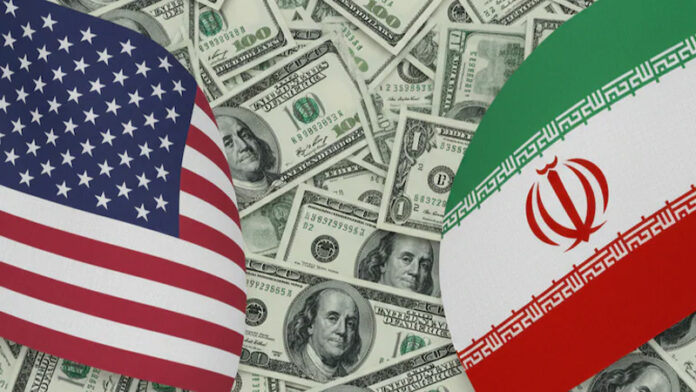
US-Iran Deal Includes Ambitious Plan to Establish $300 Billion Reconstruction and Development Fund for Iran
As negotiations between the United States and Iran move toward a comprehensive agreement, a bold economic proposal has emerged: the creation of a $300 billion international fund aimed at rebuilding and modernizing Iran’s economy in exchange for verifiable concessions on its nuclear program and regional activities.The fund, described in draft documents as the “Iran Reconstruction and Development Fund,” would represent one of the largest economic incentives ever offered in a diplomatic deal and could dramatically reshape Iran’s future if successfully implemented.Details of the Proposed FundAccording to sources familiar with the talks, the $300 billion fund would be structured as follows:Multilateral Contributions: Contributions from the US, European nations, Gulf states, China, and international financial institutions.
Phased Disbursement: Money released in stages based on Iran meeting specific milestones (nuclear compliance, reduced proxy support, human rights improvements).
Focus Areas: Infrastructure rebuilding, energy sector modernization, technology transfer, education, and healthcare.
Governance: Overseen by an independent board with representatives from donor nations and international organizations to ensure transparency.
The goal is to provide Iran with a genuine “carrot” — a path to economic prosperity — while addressing Western and regional security concerns.Why $300 Billion?Iran’s economy has suffered severely from years of sanctions, mismanagement, and conflict. The fund aims to:Jumpstart GDP growth
Modernize aging infrastructure
Create jobs for Iran’s young population
Integrate Iran more fully into the global economy
Supporters argue this is a smarter long-term strategy than perpetual sanctions and military pressure.Reactions from Key PlayersIran: Cautiously positive but demanding guarantees that the funds won’t be weaponized or delayed.
United States: Views the fund as a powerful incentive for lasting behavioral change.
Israel: Strongly opposed, calling it “rewarding bad behavior” and warning it could strengthen Iran.
Saudi Arabia & UAE: Mixed — interested in stability but wary of empowering their rival.
China: Supportive, seeing opportunities for Belt and Road projects.
Challenges and RisksCreating and managing a $300 billion fund comes with significant hurdles:Verification: Ensuring Iran complies with conditions before money is released.
Corruption Concerns: Iran’s history of governance issues raises fears that funds could be misused.
Political Opposition: Hardliners in both Iran and the US may resist the deal.
Funding Reality: Securing actual commitments from donor nations may prove difficult.
Broader ImplicationsIf realized, this fund could be transformative for Iran and the entire Middle East. It represents a shift from confrontation to economic diplomacy — betting that prosperity and integration can succeed where pressure alone has not.However, many analysts remain skeptical. Past attempts at large-scale economic incentives in the region have often fallen short due to politics, mistrust, and implementation failures.What Happens Next?Negotiators are working to finalize the exact structure, governance, and conditions of the fund. A more detailed proposal is expected in the coming weeks. The success of the overall US-Iran deal may ultimately depend on whether both sides can agree on credible mechanisms for this massive financial package.This $300 billion fund could become either a historic investment in peace — or another chapter in the long saga of unfulfilled promises in Middle East diplomacy.We will continue following developments closely as more details emerge from the negotiations.
Comments (0)
Please log in to comment
No comments yet. Be the first!