World & Politics
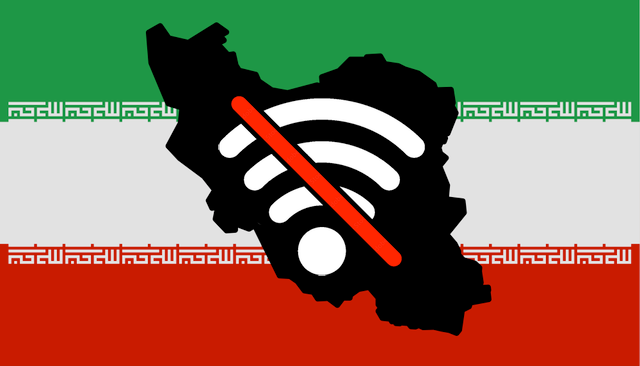
Iran’s President Orders Reopening of International Internet Access After Nearly 90 Days of Blackout
Iran’s President Orders Reopening of International Internet Access After Nearly 90 Days of BlackoutIn a significant policy reversal, Iran’s President has officially ordered the restoration of full international internet access, effectively ending one of the longest and most restrictive digital blackouts in the country’s modern history.The decision, announced on May 22, 2026, comes after nearly 90 days of severely limited connectivity, during which Iranian citizens had extremely restricted access to global websites, social media platforms, and international services.Background of the BlackoutThe nationwide restrictions began in late February 2026 amid escalating regional tensions and domestic unrest. Iranian authorities initially justified the measures as necessary for “national security” and to prevent the spread of “destabilizing foreign influence” during a period of heightened geopolitical conflict.During the blackout:Access to major platforms like Instagram, WhatsApp, YouTube, Twitter/X, and most Western news sites was completely blocked.
Only government-approved domestic internet services and heavily filtered local networks remained operational.
VPN usage surged dramatically, though many popular VPN services were also targeted and blocked.
Businesses, students, journalists, and ordinary citizens faced severe disruptions in communication, education, banking, and e-commerce.
The prolonged shutdown drew widespread international criticism from human rights organizations, tech companies, and foreign governments, who condemned it as a violation of freedom of expression and information.President’s AnnouncementIn an official statement broadcast on state television, the President described the decision to restore access as a “measured return to normalcy” while emphasizing that “national security remains the top priority.”“After careful evaluation of the current situation, we have decided to gradually restore international internet connections,” the statement read. “This step aims to support economic activity and the legitimate needs of our people, while maintaining strong cybersecurity measures.”Authorities indicated that restoration would be phased, with full international access expected to return within the next 48–72 hours. However, some monitoring and filtering systems are likely to remain in place.Immediate Impacts and Public ReactionThe announcement was met with cautious optimism by many Iranians. Social media (on platforms accessible via VPNs) quickly filled with expressions of relief, celebration, and skepticism.Business Community: Companies heavily reliant on international trade and communication welcomed the move, hoping it would ease operational challenges.
Students and Academics: Universities and researchers expressed hope for restored access to global academic resources and collaboration tools.
Activists and Journalists: Many remained wary, fearing that restored access could come with increased surveillance and potential new restrictions.
Internet experts predict a massive surge in traffic once full access is restored, with millions of Iranians rushing to check global news, reconnect with family abroad, and resume normal online activities.International ReactionsThe decision has been cautiously welcomed by several Western governments and human rights groups, though many are calling for full transparency and the permanent lifting of restrictions.Tech companies like Meta, Google, and Apple have been in communication with Iranian authorities regarding the restoration process. Some analysts see this as a pragmatic economic decision, as the prolonged blackout was causing significant damage to Iran’s already strained economy.Broader ContextIran has a history of implementing internet shutdowns during periods of political tension. However, the scale and duration of this latest blackout were unprecedented in recent years. The decision to restore access may reflect internal pressure, economic necessity, and a desire to project stability amid ongoing regional challenges.This development also highlights the increasing importance of digital connectivity in modern geopolitics. In an interconnected world, prolonged internet blackouts carry heavy economic, social, and diplomatic costs.What Happens Next?Iranian internet service providers are expected to begin gradually lifting restrictions in the coming hours. Citizens are advised to update their devices and exercise caution when accessing previously blocked sites, as monitoring systems may still be active.The coming days will be critical in determining whether this marks a genuine return to open internet access or simply a temporary easing of restrictions.For millions of Iranians, the restoration of international connectivity represents more than just technical access — it symbolizes a return to normal life and reconnection with the wider world after nearly three months of digital isolation.
Comments (0)
Please log in to comment
No comments yet. Be the first!