World & Politics
U.S. Troops Leave Iraq as Iran-Backed Militias Stay Armed and ISIS Cells Stir
The last American soldiers left Iraq on Wednesday.
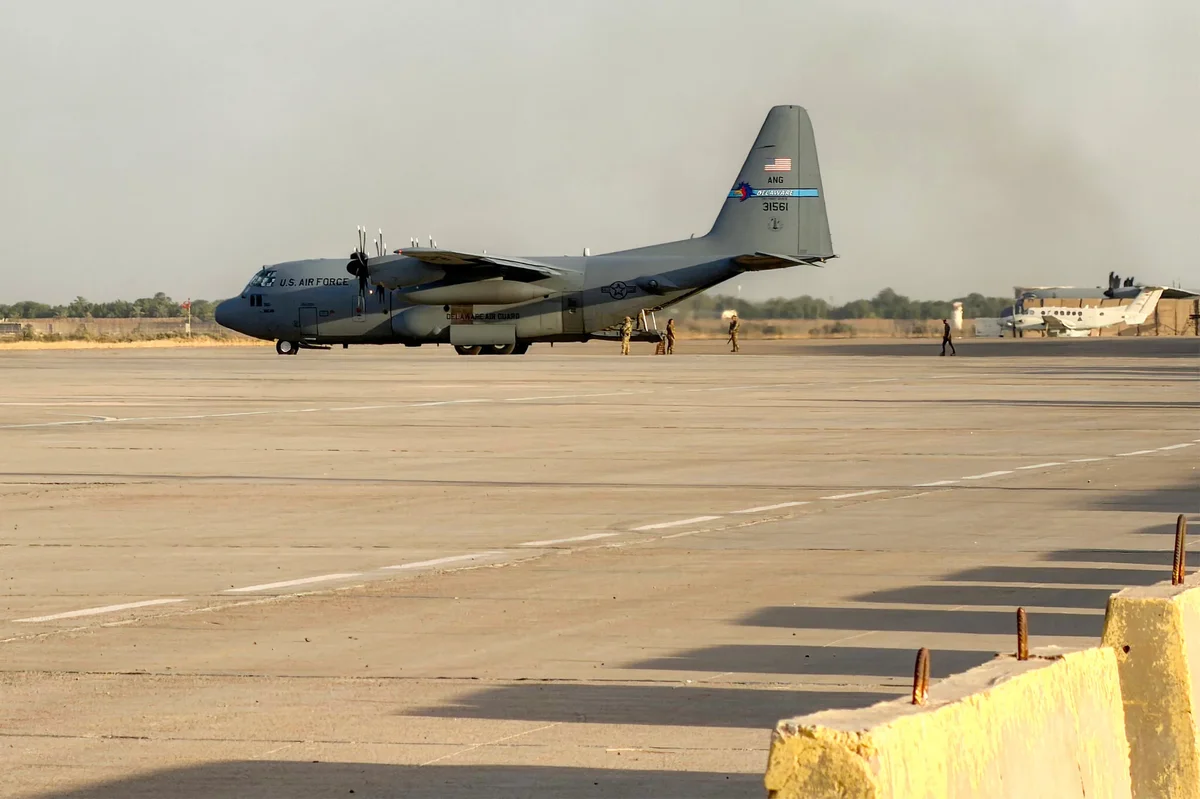
The Pentagon said troops and equipment completed an “orderly departure” from the air base in Erbil, in the Kurdish north — the final site where U.S. forces still sat under the 2024 Baghdad–Washington deal. Spokesman Sean Parnell framed the exit as the close of a 12-year campaign that “defeated ISIS as an organized military threat in Iraq and across the region.”
That sentence is true as far as territory goes. The caliphate is gone. The next sentence is the one Iraqi officers, Kurdish officials, and Tehran’s friends are arguing over: what fills the space.
The pullout was negotiated under President Joe Biden and executed under President Donald Trump while the United States is at war with Iran — a war that has already spilled onto Iraqi soil with militia and missile attacks on bases and energy sites. The last U.S. service member killed in Iraq died in July. Across more than two decades, about 4,500 Americans died in the country that began as a 2003 invasion and ended as a few hundred advisers.
Baghdad declared sovereignty days. Prime Minister Ali al-Zaidi’s government has said October 1 is a new page: no foreign combat footprint, state monopoly on war and peace. Iran-backed factions called the same day a victory for the “axis of resistance.” Both can be politically true. They cannot both be a security plan.
What Actually Left
U.S. units had already left most of Iraq last year. What remained was a thin coalition presence in the north, still flying the Operation Inherent Resolve flag against Islamic State remnants and still a target whenever the Iran war heated up. Wednesday was the last lift.
Inherent Resolve did what it was built to do after 2014: help Iraqi and partner forces take back cities and keep a pressure campaign on cells. Defense Intelligence assessments this year still described ISIS in Iraq as degraded and focused on survival. Degraded is not dead. Officials in Baghdad and Erbil say sleeper networks never fully left the deserts and the disputed belts.
Some Iraqi security officials say they have seen more cell movement since the withdrawal date became public. One described a morale lift among fighters who treat an empty coalition calendar as a season change. Authorities also said a suspected cell was preparing suicide attacks timed to the pullout. Four officials described that plot to reporters this week. Whether the attacks land or fail, the warning is the point: the group still tries windows.
Iran’s Proxies Did Not Disarm on the Same Clock
September 30 was also supposed to be a weapons deadline for militias outside state command. It slipped. Al-Zaidi has pushed a full-state monopoly on arms toward June 2027. Smaller groups handed over some stocks. The powerful Iran-aligned factions in and around the Popular Mobilisation Forces did not meet the original date. Several rejected disarmament or set conditions Baghdad would not accept.
That is the structural fact under the parade. The United States is gone. The brigades that used the American presence as their reason to stay armed are still armed. Analyst Ahmed Younis in Baghdad put the risk in institutional terms: not necessarily a new Iranian occupation, but proxies who feel freer to shape ministries, contracts, and security appointments when there is no Western base to bargain against.
Tehran has wanted U.S. forces out of the region for decades. Iraq was the prize that survived every other setback in the “axis.” The U.S.–Iran war has strained those networks and, by some U.S. accounts, first slowed then revived the flow of small arms, drones, and short-range rockets into Iraq this summer. A withdrawal in the middle of that war is a gift in propaganda even if it is a headache in logistics.
Kata’ib and other “resistance” spokesmen have said their factions grew stronger this year because they are part of the larger fight with Washington. That claim will be tested when there are no Americans left on an Iraqi runway to hit.
Al-Zaidi has described short-term assurances — talk of a 90-day pause in attacks after the exit — from both the U.S. side and militia channels. A pause is not a constitution.
The Kurdish Problem
Erbil wanted the Americans for air defense and for a political counterweight. Kurdish leaders have already asked Baghdad for cover against missiles and drones. Iranian strikes on opposition infrastructure in the north and militia fire at U.S.-linked targets in Erbil rose after the Iran war opened in late February. Removing the last U.S. battery does not remove those trajectories. It removes the crew that used to sit under them.
If Baghdad cannot or will not replace that cover, the north becomes the first place a “sovereign” Iraq looks incomplete.
What Washington Still Has
The relationship is supposed to flip from soldiers to companies — energy, reconstruction, the line Trump used when he stood with al-Zaidi in Washington: military out, business in. Diplomats remain. Intelligence sharing against ISIS can survive without a brigade. So can pressure on Baghdad to keep militia fire off U.S. partners in the Gulf and Jordan.
What does not survive is the daily veto of a uniform on the ground. 2011 proved the cost of leaving a vacuum that ISIS later filled. 2014 proved the cost of coming back. 2026 is the third attempt to leave on a timetable. The difference is Iran is now in an open war with the United States, and Iraq is the corridor between them.
What to Watch
Whether the 90-day quiet holds.
Whether June 2027 becomes another missed militia deadline.
Whether ISIS attacks spike in Anbar, Kirkuk, or Diyala in the next quarter.
Whether Erbil gets a substitute air-defense arrangement from Baghdad or elsewhere.
Whether Iraqi institutions absorb the PMF or the PMF absorbs the institutions.
The United States can call this a completed mission. Iraq can call it independence. Iran can call it proof. Islamic State only has to call it an opening. Those four sentences can all be spoken on the same Wednesday. Only one of them has to be wrong for the next war to start in the same places as the last one.
Digital8Hub will track incident reports in Iraq after the coalition flag comes down and any change in the June 2027 disarmament timeline.
Comments (0)
Please log in to comment
No comments yet. Be the first!