World & Politics
Iran Says It Can Reopen Hormuz in Seven Days if Washington Eases Pressure
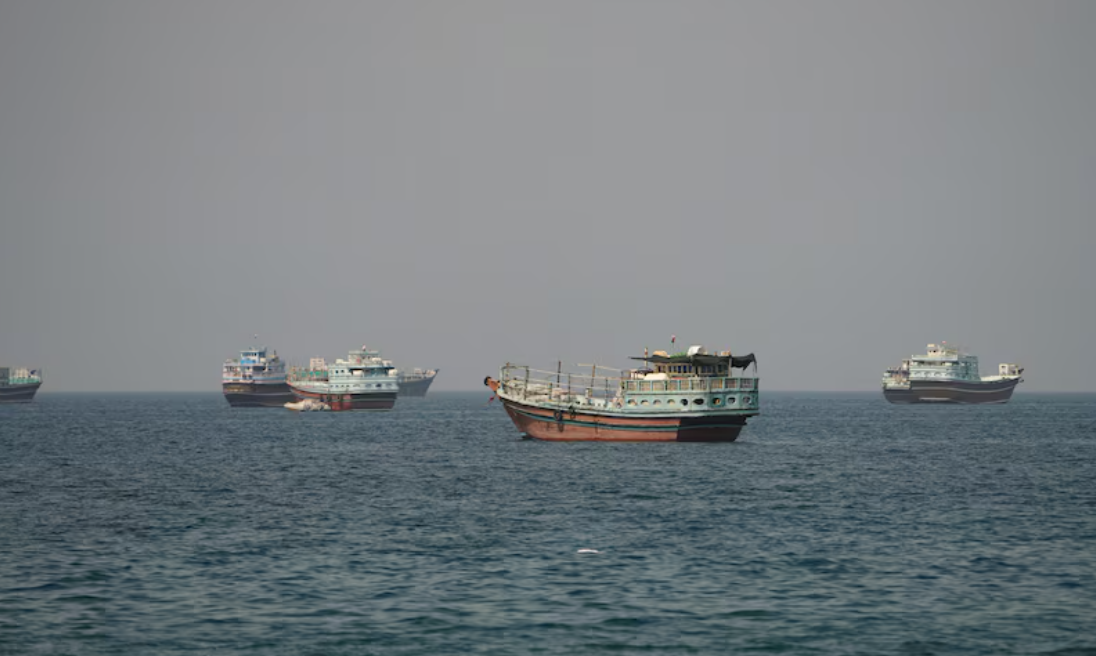
A senior Iranian official put a clock on the world’s oil chokepoint.Speaking Tuesday as President Masoud Pezeshkian left for the U.N. General Assembly, the official said Iran could reopen the Strait of Hormuz within seven days if the United States eases military pressure and lifts its blockade of Iranian ports. Washington must first declare, officially, that it wants a diplomatic track and agree a timeline. The Iranian mission in New York has full authority to revive talks through mediators. A proposal went to the U.S. side on September 16 the same way.Pezeshkian will not sit down with Donald Trump at U.N. headquarters, the official said. Details of a halt to hostilities can still be worked in New York by intermediaries. The General Assembly, in that telling, is a “golden opportunity” for the United States to come back to diplomacy — if it takes visible steps.That is an offer with a price list, not a ceasefire.The Week’s Other VoiceOn Sunday, Iran’s military central command said it had been told the United States was preparing to restart operations with regional partners, and warned that retaliation would come “without limitations and considerations.” Parliament speaker Mohammad Bagher Ghalibaf had just said Hormuz and the old negotiating frame stay closed until American commitments are met. Supreme National Security Council secretary Mohsen Rezaei listed conditions that include ending the war, unfreezing assets, and ending the naval blockade — conveyed, he said, via Qatar.Kyodo and other accounts said the seven-day Hormuz idea had approval from Supreme Leader Mojtaba Khamenei and the SNSC. Then Fars, citing Iranian sources, dismissed some of the reopen-in-a-week reporting as inaccurate. Oil, which had slipped on the first headlines, gave back part of the move. Official Tehran is capable of floating a channel and denying the headline in the same news cycle. Markets have learned to trade both.What the Strait Still MeansHormuz is the narrow door for a large share of seaborne oil and LNG when it functions. Since the wider war that opened in late February, traffic has been squeezed, rerouted, or blocked. U.S. Central Command has said its forces redirected more than a hundred commercial ships while enforcing a blockade on traffic to and from Iranian ports. Tanker explosions, port pressure, and insurance spikes have been the market’s daily weather.Reopening in seven days would not automatically restore 2025 volumes. Mines, wrecks, war-risk premiums, and crew refusals outlast a communiqué. But a credible unlock would hit the oil tape faster than almost any other diplomatic sentence available this week.What Each Side Is AskingIran wants the blockade off its ports, military pressure eased around the strait, a public U.S. turn toward talks, and a calendar. Broader lists add frozen funds and an end to fighting on all fronts.The United States has treated the strait and the nuclear file as leverage, not as a favor to grant on an unnamed official’s timetable. Trump has said Iran will not get the deal he thinks is required. A meeting with Pezeshkian has been floated and, from the Iranian official’s mouth Tuesday, declined.Mediators — Qatar, Oman, and others who have carried paper all year — are the only room that exists. UNGA week is when those rooms fill with foreign ministers who can pretend they bumped into each other.Read It as BargainingA seven-day reopen is a deliverable Iran can claim if Washington blinks first. It is also a threat dressed as a schedule: the waterway stays a weapon until the blockade moves. Sunday’s unlimited-retaliation line is the other half of the same brief.None of this is an agreement. It is a condition set, delivered by a person without a name, contested by a state outlet, timed for New York. The test is whether any mediator walks out of a hotel with a sequence both capitals will initial.
Comments (0)
Please log in to comment
No comments yet. Be the first!