Travel
SpaceX Rocket Stage Set to Crash into the Moon at 5,400 mph on August 5
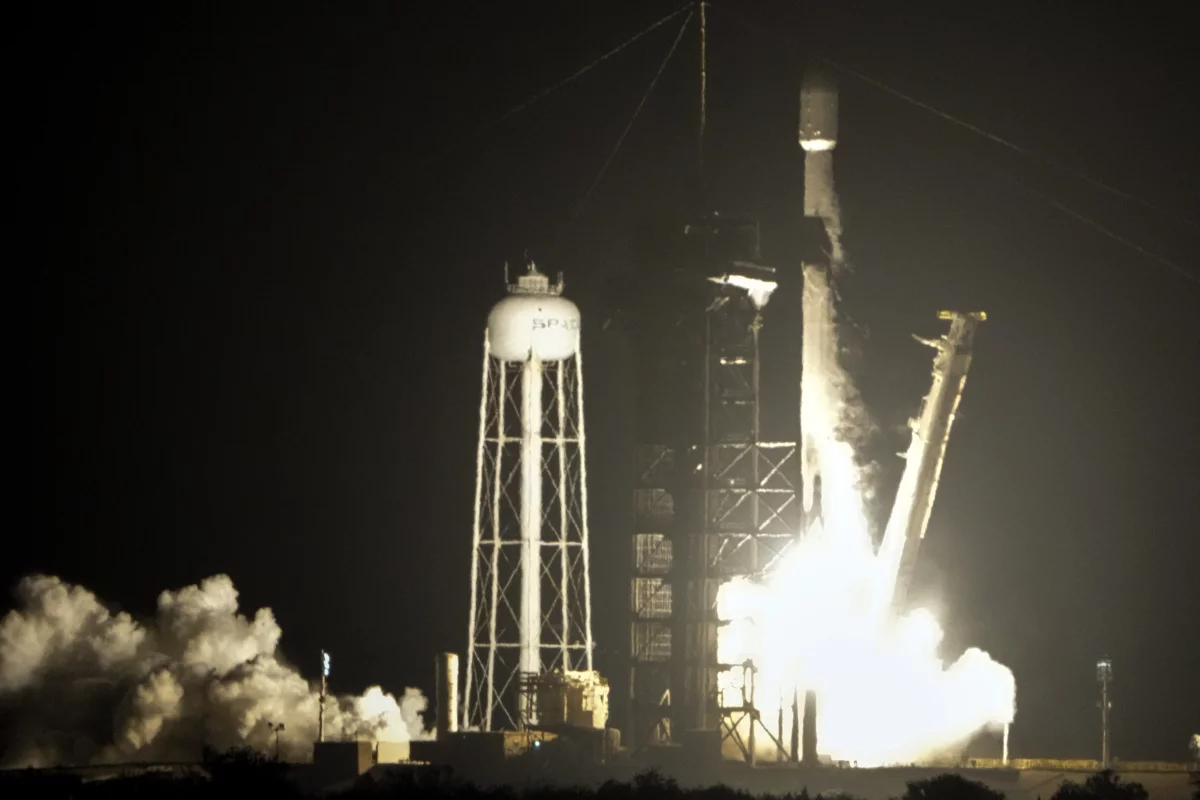
A leftover piece of a SpaceX Falcon 9 rocket is expected to crash into the Moon on August 5 at a speed of roughly 5,400 miles per hour. The unplanned impact involves the rocket’s upper stage, which has been drifting in space since a previous lunar-related mission and is now on a collision course with the lunar surface.Tracking experts predict the object will strike near the Einstein crater on the Moon’s near side, potentially carving out a fresh crater and ejecting a plume of dust and debris that scientists are eager to study.What Is Hitting the Moon?The object is the upper stage of a Falcon 9 rocket, approximately the size of a multi-story structure and weighing several tons. After completing its role in launching payloads (including lunar landers in an earlier mission), the stage remained in a trajectory that will intersect with the Moon.SpaceX did not intend for the component to impact the lunar surface. In many launches, upper stages are disposed of through controlled reentry into Earth’s atmosphere or other measures. In this case, the trajectory led to a lunar encounter instead.Predicted Impact DetailsAccording to orbital tracking analysis:Date and Time: Around 06:35 UTC on August 5, 2026 (early morning hours in some time zones)
Speed: Approximately 5,400 mph (about 8,700 km/h)
Location: Near the Einstein crater region on the Moon’s near side
Expected Effects: Creation of a crater estimated in the range of 20–30 meters across, along with a significant dust plume that could rise tens of kilometers
The high velocity means the impact will release substantial energy, making it a noticeable event for lunar observation.Scientific InterestAlthough accidental, the impact offers a rare opportunity for scientists. Researchers plan to observe the event using:Ground-based telescopes on Earth
NASA’s Lunar Reconnaissance Orbiter and other spacecraft already studying the Moon
Imaging and spectroscopic tools to analyze the resulting crater and ejecta
Data from the collision can help refine models of lunar soil (regolith) behavior, impact dynamics, and how artificial objects interact with the lunar environment. Such information is valuable for future crewed and robotic missions that must account for debris and surface conditions.Broader Context of Space DebrisThe upcoming impact highlights ongoing challenges related to space debris and the long-term trajectories of rocket stages. As launch rates increase—driven by companies like SpaceX and growing international activity—more objects are left in orbits or transfer trajectories that can eventually intersect with the Moon or other bodies.While the Moon has been struck by natural meteoroids for billions of years, intentional or accidental impacts by human-made hardware are still relatively uncommon and carefully tracked when predicted.Public and Observational OpportunitiesSkywatchers and amateur astronomers may attempt to observe related effects, though the impact itself will not be visible to the naked eye from Earth in most cases. Professional observatories and space agencies are better positioned to capture detailed imagery and measurements.The event has already generated interest online and in scientific communities, with discussions focusing on both the technical details and the broader implications for responsible space operations.SpaceX and Mission BackgroundThe Falcon 9 upper stage in question dates to a mission that successfully delivered lunar-related payloads. After separation and completion of its primary burns, residual trajectory dynamics placed it on the path that will culminate in the August 5 impact.Space agencies and tracking networks routinely monitor such objects to predict potential collisions and assess any risks.Looking AheadOnce the impact occurs, attention will turn to analyzing the new crater and any observable plume. Results could appear in scientific papers and public updates from NASA and other organizations in the following weeks and months.The event also serves as a reminder of the need for improved end-of-mission disposal strategies for rocket stages, especially as lunar exploration ramps up with more frequent missions planned by multiple nations and companies.Final ThoughtsThe planned high-speed crash of a SpaceX rocket component into the Moon at 5,400 mph is an unusual and scientifically useful accident of the modern space age. While not intentional, the impact will leave a permanent mark on the lunar surface and provide researchers with fresh data on how the Moon responds to energetic collisions.As August 5 approaches, scientists and space enthusiasts will be watching closely—both to document the event and to consider what it means for the growing human presence beyond Earth.We’ll provide updates after the impact and any notable scientific findings that emerge.
Comments (0)
Please log in to comment
No comments yet. Be the first!