Finance & Business
US and Japan Confirm Joint Intervention to Support the Yen Amid Historic Weakness
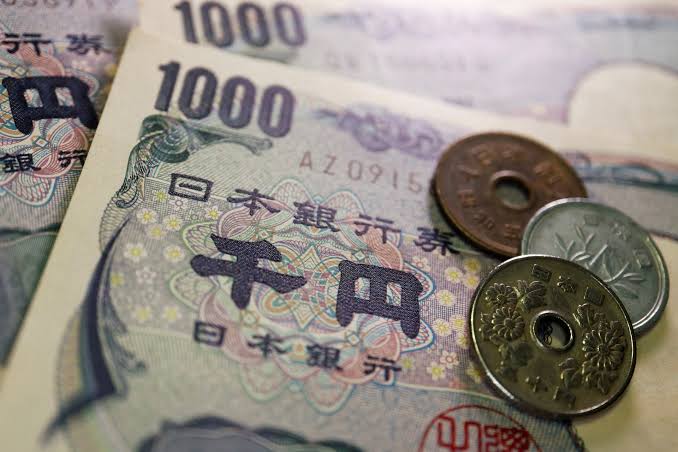
The United States and Japan have officially confirmed that they conducted joint intervention in the currency markets to support the Japanese yen. The coordinated action comes after the yen slid to levels not seen in around 40 years against the US dollar, prompting rare bilateral efforts to stabilize the exchange rate.Japanese authorities announced the joint operation, noting that both Tokyo and Washington participated in yen-buying activities. Officials from both countries have signaled they remain prepared to take further action if necessary.Background on the Yen’s DeclineThe Japanese yen has faced sustained downward pressure for an extended period, driven largely by the wide interest rate differential between Japan and other major economies, particularly the United States. While the Bank of Japan has maintained relatively accommodative policy, higher rates elsewhere have encouraged capital flows out of yen-denominated assets.This prolonged weakness pushed the currency to multi-decade lows, raising concerns about excessive volatility, imported inflation in Japan, and potential disruptions to global financial markets, including the popular yen carry trade.Details of the Joint InterventionAccording to official statements, Japanese and US authorities conducted coordinated yen-buying operations. This marks the first such joint intervention between the two allies in many years—the previous notable coordination occurred in 2011 in the opposite direction (to weaken the yen after the Great East Japan Earthquake).Market participants reported significant yen purchases that contributed to a sharp rebound in the currency. Japanese officials indicated the operation was still ongoing at the time of some announcements and emphasized close communication with US counterparts.US Treasury involvement, executed in part through the Federal Reserve Bank of New York, underscores the level of concern in Washington about the yen’s rapid depreciation and its potential spillover effects.Why Joint Action MattersCurrency interventions are typically conducted unilaterally by a country’s own authorities. Coordinated action between major economies is relatively rare and carries greater market impact because it signals shared concern and combined resources.The involvement of the United States adds credibility and firepower to Japan’s efforts. It also reflects broader strategic and economic ties between the two countries, as well as mutual interest in orderly currency markets.Market ReactionFollowing reports and official confirmation of the intervention, the yen strengthened notably against the dollar and other major currencies. Traders remain on alert for possible follow-up operations, as authorities have indicated they will not hesitate to act again if volatility or excessive moves persist.The intervention has also influenced related markets, with some risk assets experiencing volatility as positions tied to the weak yen were adjusted.Broader ImplicationsThe joint intervention highlights several important dynamics:Policy Divergence — Persistent differences in monetary policy between the Bank of Japan and other major central banks continue to exert pressure on the yen.
Limits of Unilateral Action — Japan’s previous solo interventions had mixed and often temporary results, increasing the appeal of coordinated efforts.
Global Spillover Risks — A disorderly move in the yen can affect equity markets, bond yields, and carry-trade related flows worldwide.
Diplomatic and Economic Coordination — The willingness of the US to participate signals alignment on the need for greater exchange-rate stability.
What Happens NextOfficials from both countries have left the door open for additional intervention. Markets will closely watch:Further statements from the Japanese Ministry of Finance and US Treasury
Yen price action and volatility levels
Any shifts in Bank of Japan policy or communication
Broader developments in US monetary policy and global risk sentiment
Sustained success of the intervention will depend on whether it is backed by fundamental shifts or remains primarily a short-term stabilizing measure.Historical ContextJoint US-Japan currency interventions have been infrequent. Past episodes, including actions in the late 1990s and 2011, occurred under specific crisis or emergency conditions. The current operation stands out because it aims to support the yen rather than restrain an excessively strong currency.
Comments (0)
Please log in to comment
No comments yet. Be the first!