Technology
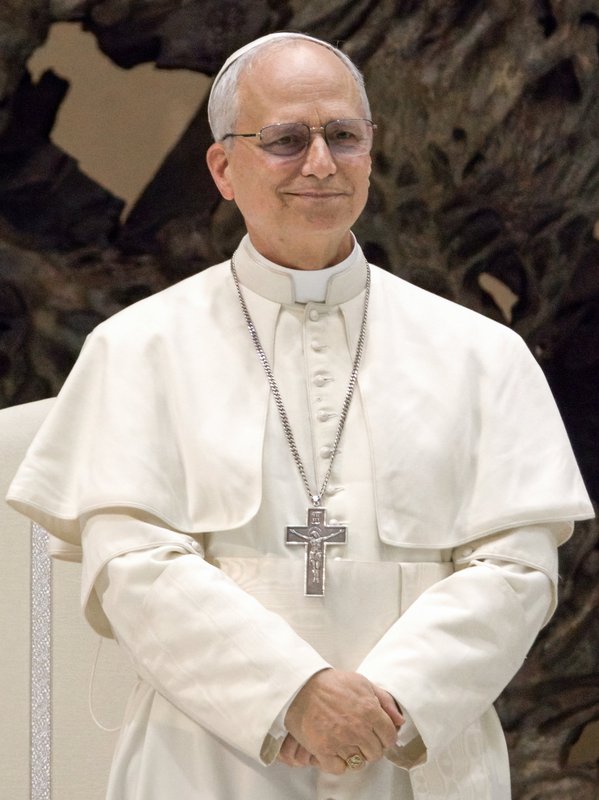
Pope Leo XIV Calls for Artificial Intelligence to Be “Disarmed” in Major Vatican Address
Pope Leo XIV Calls for Artificial Intelligence to Be “Disarmed” in Major Vatican AddressIn a significant and wide-ranging address delivered at the Vatican on May 20, 2026, Pope Leo XIV has called on global leaders, technologists, and governments to “disarm” artificial intelligence before it becomes an uncontrollable threat to human dignity and spiritual life.Speaking during a special audience on technology and ethics, the first American-born pontiff delivered one of the strongest Vatican statements yet on the dangers of rapid AI development.“Artificial intelligence must be disarmed,” Pope Leo XIV declared. “Like any powerful tool created by human hands, it carries both great potential and terrible risk. We cannot allow it to become a weapon turned against the human soul.”Context of the SpeechThe Pope’s remarks come amid growing global debate over the rapid advancement of generative AI, autonomous weapons, deepfakes, and surveillance technologies. Pope Leo XIV, who has made ethical technology one of the defining themes of his early papacy, warned that AI is developing faster than humanity’s moral and spiritual frameworks can keep pace.He specifically highlighted several concerns:Loss of Human Agency: The risk that AI systems could make life-altering decisions with minimal human oversight.
Manipulation and Deception: The proliferation of sophisticated deepfakes and AI-generated content that could undermine truth and trust in society.
Autonomous Weapons: The moral danger of delegating lethal decisions to machines.
Spiritual Impact: The potential for AI to replace genuine human relationships, creativity, and connection with God.
The Pope emphasized that technology itself is not evil, but “when it escapes ethical boundaries and the primacy of human dignity, it becomes a force that must be restrained.”Key Quotes from the Address“Intelligence without wisdom is a dangerous thing. Artificial intelligence must serve humanity, not rule it.”
“We must disarm AI before it disarms our conscience.”
“True progress respects the sacredness of every human person, created in the image of God.”
Reactions from the Tech WorldThe Pope’s comments have drawn mixed but respectful responses:Sam Altman (OpenAI): Acknowledged the Pope’s moral concerns while defending responsible AI development.
Elon Musk: Shared the post on X with the comment “Important perspective,” though he has previously advocated for aggressive AI advancement.
** Sundar Pichai** (Google): Stated that Google shares many of the ethical concerns raised and continues to invest heavily in responsible AI practices.
Faith leaders, ethicists, and human rights organizations have largely praised the statement as timely and necessary.What Does “Disarm AI” Mean?Vatican officials later clarified that the Pope is not calling for a complete halt to AI development, but rather for strong international guardrails including:Binding global regulations on autonomous weapons
Strict transparency requirements for AI systems
Protection of human creative and spiritual domains from full automation
Development of AI ethics frameworks grounded in human dignity
This aligns with previous Vatican documents on technology, but represents the strongest language used by any pope on the subject to date.Historical Vatican Perspective on TechnologyThe Catholic Church has a long tradition of engaging with scientific and technological progress. From Pope John Paul II’s support for the Big Bang theory to Pope Francis’ encyclical Laudato Si’ on environmental issues, the Church has consistently advocated for technology that serves the common good.Pope Leo XIV appears to be continuing and strengthening this tradition by directly confronting the unique challenges posed by artificial intelligence.Broader ImplicationsThe Pope’s call comes at a critical inflection point. As AI capabilities accelerate, governments and companies are racing to establish rules of the road. The Vatican’s moral voice carries significant weight in international discussions, potentially influencing future treaties and regulations.For the faithful, the message is clear: technological progress must never come at the expense of the human soul.Final ReflectionsPope Leo XIV’s statement is both a warning and an invitation — a call for humanity to pause, reflect, and ensure that our most powerful creations remain tools in our hands rather than forces that shape our destiny.As artificial intelligence continues to transform nearly every aspect of modern life, the Pope’s words serve as a timely reminder that true intelligence must always be guided by wisdom, compassion, and ethical responsibility.In the words of the pontiff himself: “We created AI. We must ensure it does not uncreate us.”
Comments (0)
Please log in to comment
No comments yet. Be the first!