Technology
Planned Amazon Data Center in Texas Could Become the Largest Climate Polluter in the U.S.
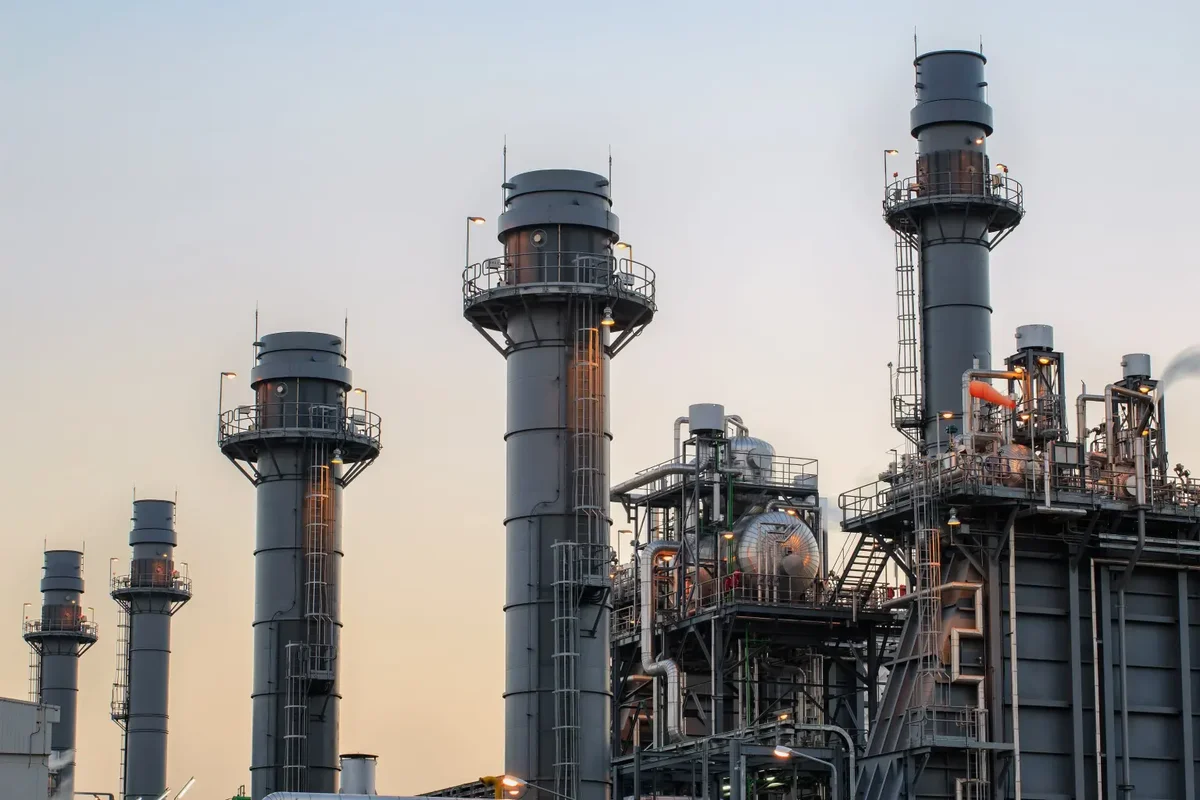
Amazon is moving forward with plans for a large data center campus in Pecos County, Texas, that will be powered by a dedicated on-site natural gas power plant. Regulatory permits for the facility allow it to release up to 33 million tons of carbon dioxide per year—more than any existing power plant in the United States.If built and operated near its permitted maximum, the plant could become the single largest source of climate pollution in the country, surpassing even the highest-emitting coal-fired facilities currently in operation.Project DetailsThe project centers on the GW Ranch site in West Texas, which Amazon has acquired. A developer is constructing a natural gas-fired power plant featuring 35 turbines capable of generating up to 7.65 gigawatts of electricity. This power is intended primarily to serve Amazon’s planned data center campus and, at least initially, would operate off the main Texas electricity grid.Amazon has confirmed its involvement, stating that the data center will be powered by new on-site generation that will not raise electricity costs for Texas households. The company has also noted that it is exploring opportunities for solar energy and battery storage at the site.Construction activity, including land clearing and permit filings for data center buildings, has already begun according to regulatory and satellite observations.Emissions ScaleTexas regulators issued a permit allowing the gas plant to emit approximately 33 million tons of carbon dioxide annually. For comparison, the current highest-emitting power plant in the U.S.—a coal facility in Alabama—releases around 16 million tons per year.While power plants rarely operate at their full permitted emissions levels, the scale of the authorization provides substantial headroom for the facility to become the nation’s largest single climate polluter. The sheer size of the planned generation capacity underscores the energy intensity of modern AI and cloud computing infrastructure.Amazon’s Climate CommitmentsThe development arrives at a challenging time for Amazon’s environmental goals. The company co-founded the Climate Pledge, a voluntary commitment to reach net-zero carbon emissions by 2040. However, Amazon reported that its overall carbon emissions rose 16 percent in the most recent year, driven in significant part by the rapid expansion of data centers to support artificial intelligence and cloud services.In response to questions about the Texas project, an Amazon spokesperson acknowledged that “the world looks different now than when we co-founded the climate pledge,” while maintaining that the company’s long-term commitment has not changed. The company emphasizes that it is paying the full costs of powering its operations rather than shifting burdens onto local ratepayers.Broader Industry ContextAmazon is not alone in turning to large-scale fossil fuel generation to meet surging electricity demand from AI workloads. Across the technology sector, companies are increasingly securing dedicated power sources—including natural gas plants—because grid capacity, interconnection timelines, and renewable energy availability have struggled to keep pace with the explosive growth of data centers.These off-grid or behind-the-meter solutions allow faster deployment of computing capacity but raise questions about near-term greenhouse gas trajectories. Critics argue that locking in large volumes of natural gas generation risks locking in high emissions for decades, even as companies pursue longer-term net-zero targets through offsets, renewable purchases, and efficiency improvements.Supporters of such projects point to the economic benefits, including job creation in rural areas, the avoidance of higher electricity rates for residential customers, and the practical necessity of reliable power for advanced computing.Local and Environmental ConsiderationsPecos County is a sparsely populated region of West Texas. The project is expected to create thousands of jobs during construction and operation, according to Amazon. The company has indicated it plans to use non-potable, brackish groundwater for certain needs, aiming to limit impact on freshwater resources.Environmental groups and climate researchers have expressed concern that the combination of high permitted emissions and the scale of the facility could set a new benchmark for industrial pollution associated with the AI boom. The lack of immediate connection to the broader grid also means the plant’s emissions will be directly tied to Amazon’s data center operations rather than diluted across a wider electricity system.Looking AheadThe Texas project highlights the tension between the rapid scaling of artificial intelligence infrastructure and corporate climate pledges. As data center electricity demand continues to climb, similar large-scale fossil-backed developments may appear elsewhere unless cleaner firm power options—such as advanced nuclear, geothermal, or long-duration storage paired with renewables—become available at comparable speed and cost.Regulators, investors, and the public will be watching closely to see the actual emissions profile once the plant begins operating, as well as any additional clean energy commitments Amazon makes at the site. The gap between permitted maximums and real-world performance will be a key metric.For Amazon and its peers, the challenge is clear: delivering the computing power required for next-generation AI while demonstrating credible progress toward long-term emissions reductions.Final ThoughtsThe planned Amazon data center and accompanying natural gas plant in Pecos County, Texas, represent one of the most significant energy and climate developments tied to the current AI expansion. With a permit allowing up to 33 million tons of carbon dioxide annually, the facility has the potential to become the largest single climate polluter in the United States.Whether it reaches that level or operates well below the maximum, the project illustrates the scale of energy demand driven by modern computing and the difficult trade-offs companies face in meeting both business and climate objectives.We’ll continue tracking the progress of the Texas project, actual emissions data as it becomes available, and broader industry efforts to reconcile AI growth with decarbonization goals.
Comments (0)
Please log in to comment
No comments yet. Be the first!