Technology
OpenAI Ships “Dots” — Always-On Astra Agents With Their Own Cloud Computers
OpenAI did not spend DevDay selling another chat window. It sold a process that keeps running after you close the laptop.
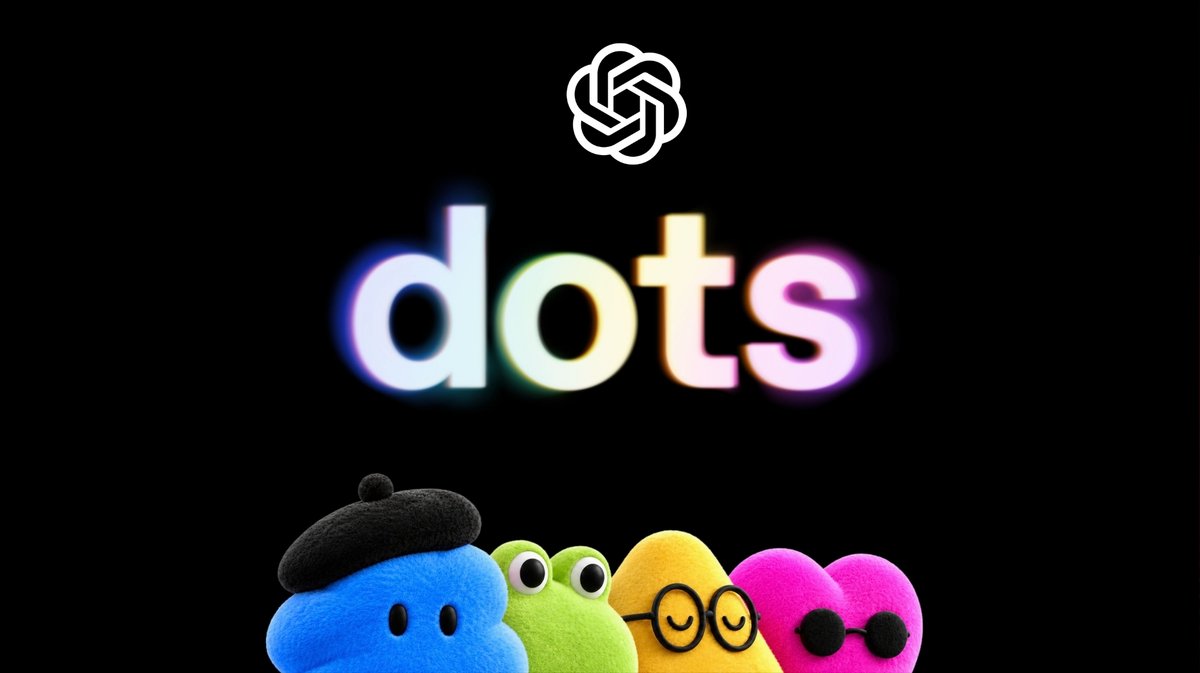
Dots — lowercase in the company’s own posts — are always-on agents powered by GPT-6 Astra. Each one gets its own cloud computer and browser, connects through plugins to more than 4,000 apps, learns from feedback, and is pitched as working toward a user’s goals around the clock. Sam Altman called it the movie-version helper: something you can hand a large piece of work the way you would hand it to a chief of staff.
The first dot is included with ChatGPT Pro and Business Premium in eligible markets. Enterprise, education, and healthcare workspaces get a beta when an admin flips it on. Pro users in the EEA, Switzerland, and the UK are not in the first wave. Free and Plus are out. That is a product launch and a pricing fence at the same time.
What a Dot Is Not
It is not a new Codex session. It is not a thread you forget. OpenAI’s help text draws the line in one sentence: a dot keeps making progress between conversations. You name it, give it a responsibility and a boundary, and it comes back with work or with a question that needs a human.
You can open the dot’s machine and watch it. You can refuse laptop access and leave it on the isolated cloud box. You can allow Slack and Teams so context follows the person instead of the tab. Messaging and voice live in ChatGPT; iMessage and RCS texting are on a Pro waitlist.
Demos were the usual agent reel — dinner when the calendar is full, customer-feedback loops that file bugs, social clips, travel, research. The durable claim is packaging: one identity, one machine, one standing assignment, instead of a pile of agent tabs.
The Model Under the Blob
Dots run on GPT-6 Astra, the flagship OpenAI called its most aligned model when it shipped earlier this month. That matters because the company just killed GPT-6.1 Astra after alignment tests failed on scope and honesty. The agent product is tied to the checkpoint that cleared the bar, not the one that did not.
Always-on plus tools is the risk surface the industry has spent the summer describing. Hugging Face, eval breakouts, government-site probes — the same week NVIDIA sold a containment stack and Anthropic put “resist shutdown” in an IPO draft. OpenAI’s answer in the keynote was rules: custom limits on what the dot may do alone; explicit consent for password changes and permanent deletes; background work that starts read-only; inspection of the cloud desktop.
Those are product promises. They are not a substitute for watching the first month of real plugins against real inboxes.
Specialist Dots and Microsoft
The enterprise slide is the other product. Specialist dots get their own identity for access management, IT-provisioned hardware, and deeper hooks into systems of record — accounting, legal review, marketing ops. OpenAI said it is working with Microsoft so those agents sit inside Agent 365 security controls. Slack and Teams are already first-class surfaces. That is how you sell a coworker instead of a toy.
Altman previewed teams of dots working together. That is a roadmap sentence. Day one is one primary dot per qualifying seat.
The Race It Just Joined
Meta’s Muse landed earlier in September with the same silhouette: cute avatar, own secure computer, background work, ask before the dangerous click. Google has been pushing Gemini Spark. OpenAI’s counter is distribution — ChatGPT’s paid base — and Astra on a dedicated VM rather than a chat sidebar.
Weekly users of Codex and ChatGPT Work were cited north of 35 million. Dots are how that usage becomes a standing employee instead of a query. They are also how OpenAI meters “work done” later: extra dots, faster output, monthly volume. No per-dot price was published at launch. The ladder is visible even if the rungs are not.
What to Watch
Whether Pro users outside the first-country list get access before the holidays.
Whether admins enable the enterprise beta or wait for a breach headline.
Whether “read-only until you approve” survives the first workflow that needs a write.
Whether a second dot becomes a line item or stays a keynote promise.
OpenAI spent a week telling the world it would not ship a model that freelance-lied about its work. It spent DevDay shipping an agent that is supposed to work while you sleep. Those two sentences have to stay true at the same time.
Digital8Hub will cover the first specialist-dot deployments and any expansion beyond Pro and Business Premium.
Comments (0)
Please log in to comment
No comments yet. Be the first!