Technology
Microsoft Opens Xbox Cloud Gaming to Players Without Game Pass via New Pay-as-You-Go Packs
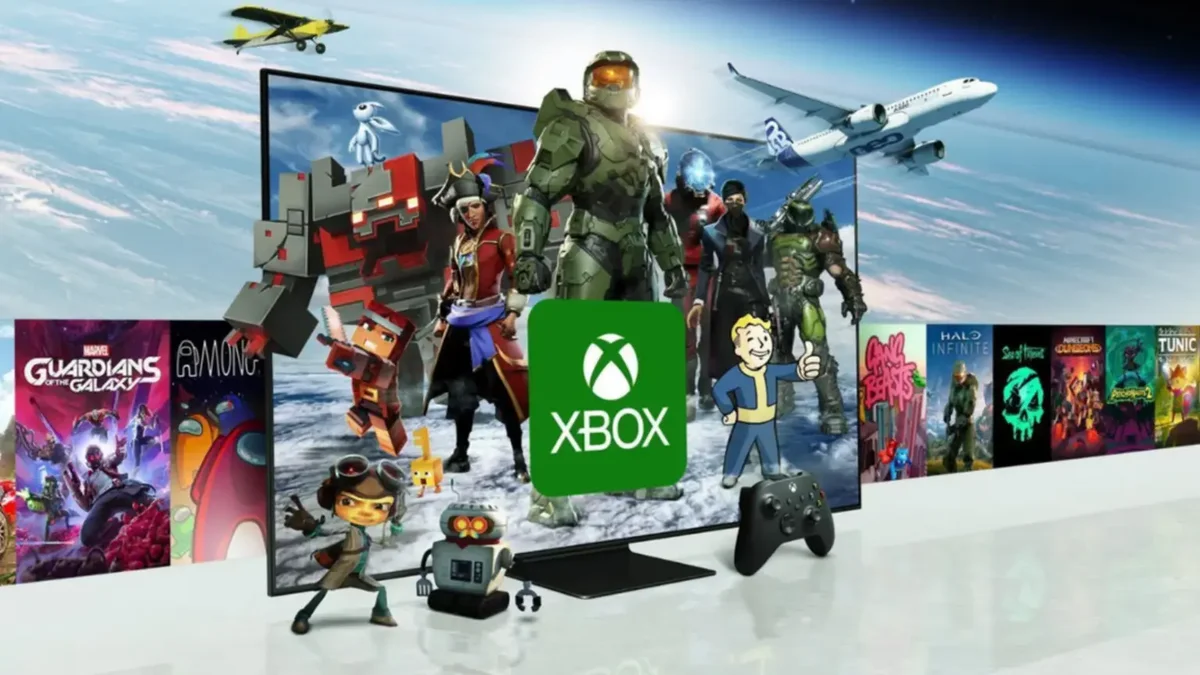
Microsoft is expanding Xbox Cloud Gaming beyond Game Pass subscribers. Starting October 21, Xbox Insiders who do not hold an active Game Pass subscription can purchase cloud playtime packs and stream eligible games they own. A broader public rollout is scheduled for November.
The company first outlined the plan in early September. It said players would be able to buy cloud hours through the Xbox Store and stream supported titles on compatible devices without a recurring Game Pass subscription. The goal was to give occasional users or people who prefer not to subscribe another way to access cloud play. On October 21 Microsoft published the introductory pricing and opened the feature to Insiders for testing and feedback.
Pricing and What You Get
The introductory packs are:
10 hours for $3.99
25 hours for $7.99
50 hours for $11.99
Microsoft describes these as launch pricing, so the final public rates could differ. Purchased hours do not expire. They remain available until used. The packs deliver an ad-free experience with shorter wait times and high-quality streaming. Buying hours does not unlock the Game Pass library. Players must already own an eligible cloud-playable game or use one of the supported free-to-play titles. Availability, eligible games, and features can vary by market, device, account, and Insider ring.
Insiders can also continue testing a free, ad-supported cloud option that has been in preview since earlier in the year. Sessions under that tier are limited.
Why the Change Matters
For years, full Xbox Cloud Gaming access was tied primarily to Game Pass tiers. That model worked well for heavy subscribers but left occasional players or non-subscribers without a simple path. The new packs lower the barrier for someone who wants to stream a title they already own on a phone, tablet, browser, or older console without committing to a monthly fee. It also creates a revenue path for Microsoft from cloud usage that previously sat outside the subscription.
At the same time, Microsoft is tightening cloud access for existing Game Pass members. Beginning in November, Game Pass plans will include a fixed number of cloud hours each month:
Game Pass Ultimate: 15 hours
Game Pass Premium: 10 hours
Game Pass Essential: 5 hours
After those hours are used, subscribers can buy additional playtime the same way non-subscribers do. Microsoft has said the limits are expected to affect about 4 percent of Game Pass subscribers—those who stream heavily. The rest will stay within the included allotment under normal use. The company previously offered effectively unlimited cloud streaming to eligible subscribers; the new caps replace that.
How Players Will Use It
Someone who owns a cloud-supported Xbox Series title can now stream it on a supported device without an Xbox console or a Game Pass subscription, provided they buy hours. The same packs will let Game Pass subscribers extend their monthly allotment once the November limits take effect. Because hours do not expire, a player can buy a 50-hour pack and use it across multiple sessions or months.
The practical difference from a full subscription is ownership and library access. Game Pass still supplies the rotating catalog and the included hours. The packs supply compute time for games the player already has. Free-to-play titles that support cloud play offer a narrower on-ramp that does not require a prior purchase.
Microsoft is collecting feedback from Insiders during the preview. That input can influence pricing, pack sizes, eligible games, or quality settings before the November general availability. The company has already adjusted Game Pass structures and cloud policies several times in 2026 as it seeks clearer profitability around the Xbox brand.
Context Inside Microsoft’s Gaming Strategy
Cloud gaming has been part of Xbox’s long-term plan to reach players who do not own a console. Expanding access beyond Game Pass is consistent with that direction, while the hour caps for subscribers address the cost of running large numbers of concurrent streams. By separating the compute cost (hours) from the content library (Game Pass), Microsoft creates two different purchase paths. Occasional users pay only for the time they need. Heavy users who already subscribe can top up. The ad-supported free tier, still in testing, offers a third, lower-cost entry point.
Competitors in cloud gaming have used a mix of subscriptions, free tiers with limits, and per-title purchases. Microsoft’s approach sits between those models: a subscription remains the primary way to access a large catalog, while pay-as-you-go hours open the service to people who only want to stream specific owned games.
What to Watch
Whether the introductory prices hold or rise when the feature leaves the Insider preview.
How many non-subscribers actually buy packs once the option is widely available.
The real-world impact of the November Game Pass cloud hour caps and how many subscribers purchase additional time.
Any expansion of the free-to-play cloud catalog or changes to which owned games support streaming.
Feedback from Insiders that leads to adjustments in pack sizes, quality tiers, or device support before broader release.
Microsoft is letting players without Game Pass buy cloud playtime packs starting at $3.99 for 10 hours. Xbox Insiders can test the feature now; a wider rollout is set for November. Purchased hours do not expire and provide ad-free streaming, but they do not include the Game Pass library—players still need eligible games they own. The same packs will also serve as top-ups once Game Pass subscribers face new monthly cloud limits next month. The move widens access to Xbox Cloud Gaming while introducing clearer usage boundaries for subscribers.
Comments (0)
Please log in to comment
No comments yet. Be the first!