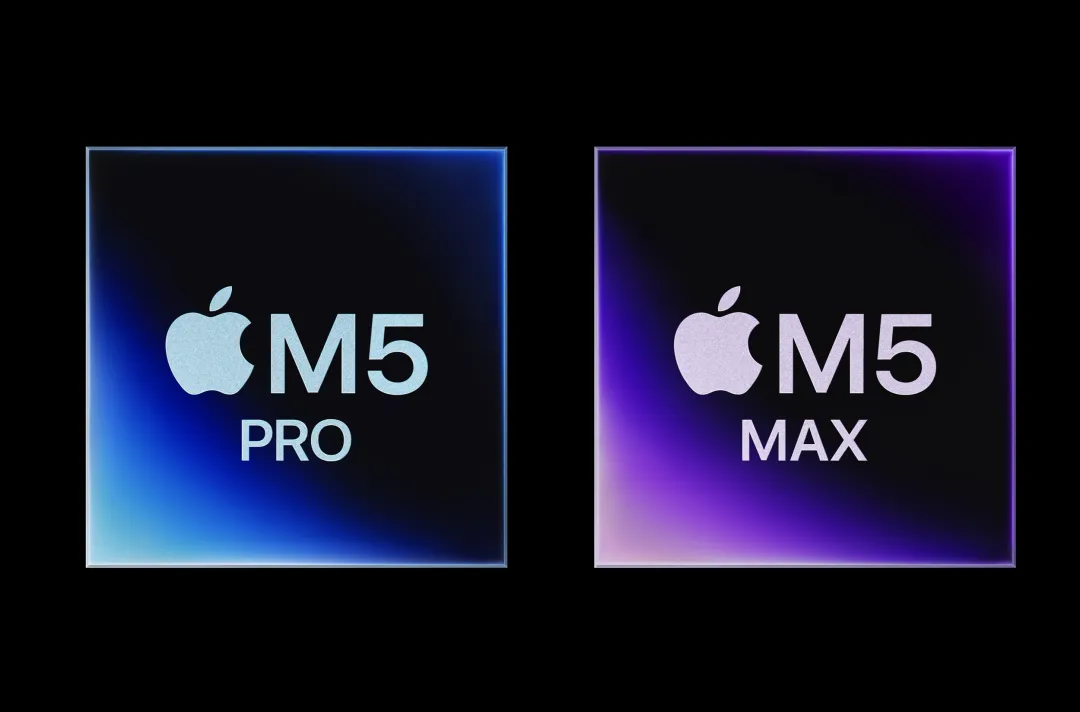
Technology
Apple’s Abandoned Self-Driving Car Project Leaves Behind Powerful AI Chips That Could Shape the Future
Apple’s ambitious self-driving car project, internally known as Titan, was officially shelved after years of development and billions of dollars invested. While the decision marked the end of Apple’s dreams of building its own vehicle, the program has left behind something potentially even more valuable: a new generation of powerful AI chips that could significantly influence the company’s future across multiple product lines.The Rise and Fall of Project TitanApple began exploring the idea of an electric, autonomous vehicle around 2014. At its peak, the project employed thousands of engineers and involved partnerships with major automotive and technology suppliers. The vision was bold — a revolutionary Apple Car with seamless integration into the company’s ecosystem.However, challenges mounted:Extremely high development costs
Regulatory hurdles for autonomous vehicles
Intense competition from Tesla, Waymo, and traditional automakers
Shifting internal priorities toward AI and services
In the end, Apple made the difficult decision to cancel the full vehicle project, though some related technology work continues in a reduced form.The Unexpected Treasure: Advanced AI ChipsThe most significant outcome of Project Titan may not be a car at all, but the specialized silicon developed during the program. Engineers working on autonomous driving systems created highly efficient AI processors optimized for real-time perception, decision-making, and sensor fusion.These chips are reportedly:Exceptionally power-efficient
Capable of handling massive neural network workloads
Designed with safety and reliability standards suitable for critical systems
Scalable for different use cases beyond automotive
How These Chips Could Be UsedApple is reportedly exploring multiple applications for this technology:Future iPhones and iPads — Enhanced on-device AI capabilities for photography, Siri, and augmented reality.
Mac Computers — More powerful neural engines for creative professionals and developers.
Apple Vision Pro — Improved spatial computing and real-time environment understanding.
Robotics and Other Projects — Potential use in future Apple robotics or smart home initiatives.
The chips could give Apple a significant advantage in the race to deliver powerful on-device AI without relying heavily on cloud processing.Strategic ImportanceThis development allows Apple to:Reduce dependence on third-party chip suppliers for AI workloads
Maintain its strong privacy focus through on-device processing
Accelerate its broader Apple Intelligence initiative
Potentially license the technology or use it in future services
Industry ContextApple is not alone in developing custom AI silicon. Competitors like Google, Amazon, and Microsoft are also investing heavily in their own chips. However, Apple’s expertise in tight hardware-software integration gives it a unique position.The Titan project’s chip legacy demonstrates how even “failed” initiatives can produce valuable intellectual property and technological breakthroughs.What This Means for ConsumersIf Apple successfully integrates these advanced AI chips:Faster, more capable on-device intelligence
Better privacy protection
Improved battery life for AI features
More seamless experiences across Apple devices
Challenges RemainingSignificant work still needs to be done to bring these chips to market at scale, optimize them for different devices, and ensure they meet Apple’s high standards for performance and efficiency.Final ThoughtsApple’s self-driving car project may not have resulted in a vehicle on the roads, but it has produced technology that could profoundly impact the company’s future. The advanced AI chips developed during Titan represent a silver lining that could strengthen Apple’s competitive position in the AI era.Sometimes the most valuable outcomes of ambitious projects are the ones you didn’t originally set out to create.
Comments (0)
Please log in to comment
No comments yet. Be the first!