World & Politics
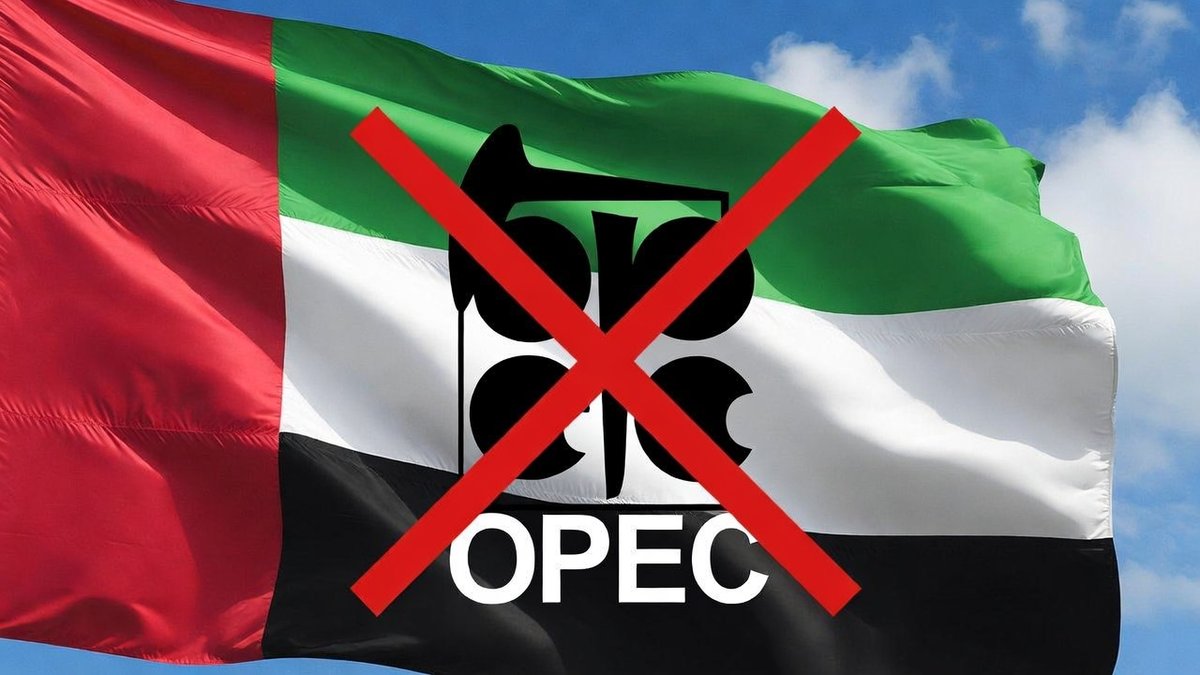
UAE Leaves OPEC and OPEC+ in Major Blow to Oil Cartel Unity
UAE Leaves OPEC and OPEC+ in Major Blow to Oil Cartel UnityIn a seismic development that could reshape the global oil industry, the United Arab Emirates has formally announced its departure from both OPEC and the wider OPEC+ alliance.The decision, confirmed by senior UAE officials on April 28, 2026, marks the most significant exit from the organization since Qatar left in 2019. As one of the world’s top oil producers and a founding OPEC member since 1967, the UAE’s withdrawal represents a major fracture in the cartel’s long-standing unity.Reasons Behind the ExitUAE officials cited several key factors driving the decision:Desire for Production Flexibility: The UAE has repeatedly expressed frustration with OPEC+ production quotas that limited its ability to ramp up output. With substantial spare capacity and ambitious plans to increase production to 5 million barrels per day, Abu Dhabi wants full control over its energy strategy.
Strategic Diversification: The UAE is accelerating its shift toward a post-oil economy under Vision 2031 and the broader Energy Strategy 2050. Leaving the cartel allows it to align production decisions more closely with national economic diversification goals.
Geopolitical and Market Realities: Ongoing tensions within OPEC+, particularly with Saudi Arabia over quota allocations and regional policies, made continued membership less attractive. The UAE prefers to operate independently in a market increasingly influenced by U.S. shale, renewable energy, and geopolitical disruptions such as the recent Strait of Hormuz crisis.
Investment and Partnerships: Independent decision-making will allow the UAE to pursue new partnerships with major consumers like India and China without cartel restrictions.
Sultan Ahmed Al Jaber, UAE Minister of Industry and Advanced Technology and ADNOC Group CEO, stated: “This decision reflects the UAE’s confidence in its robust energy sector and its commitment to responsible, market-driven production policies.”Immediate Market ReactionOil prices reacted sharply to the news. Brent crude initially dropped more than 3% on fears of increased supply from the UAE, before partially recovering as traders assessed the broader implications.Analysts estimate the UAE could increase output by 300,000 to 500,000 barrels per day in the short term without OPEC+ constraints, adding pressure on global prices already volatile due to recent geopolitical events.Impact on OPEC and OPEC+The exit weakens OPEC’s influence significantly:The UAE is OPEC’s third-largest producer (after Saudi Arabia and Iraq).
OPEC+ (which includes Russia and other non-OPEC producers) loses cohesion at a critical time when the group is struggling to manage global supply amid slowing demand growth and rising non-OPEC production.
Saudi Arabia, as the de facto leader, now faces greater challenges in maintaining discipline among remaining members.
This departure could trigger further exits or demands for higher quotas from other members feeling constrained, potentially accelerating the cartel’s declining relevance in a changing energy landscape.Long-Term ImplicationsFor the UAE: Greater autonomy could boost revenues in the near term and strengthen its position as a flexible, reliable supplier. However, it may lose some geopolitical leverage that came with cartel membership.For Global Oil Markets: Increased UAE production could help stabilize supplies during disruptions (such as the recent Hormuz tensions) but may also contribute to price volatility if other producers follow suit.For the Energy Transition: The move underscores a broader shift. Major producers are balancing traditional oil revenues with massive investments in renewables, hydrogen, and advanced technologies. The UAE aims to position itself as a leader in both conventional and clean energy.For OPEC+: The alliance must now reassess its strategy. With reduced collective control over global supply, its ability to influence prices through coordinated cuts may diminish, giving more power to market forces and non-OPEC producers like the United States, Brazil, and Guyana.Historical ContextThe UAE has hinted at dissatisfaction with OPEC quotas multiple times in the past, most notably during the 2020–2021 production disputes. However, previous tensions were resolved through diplomacy. This time, the decision appears final and driven by long-term strategic calculations rather than temporary disagreements.What Comes Next?The UAE has assured partners it will continue to act as a responsible producer and maintain strong bilateral relationships with former OPEC colleagues. ADNOC is expected to announce expanded production targets in the coming weeks.As the dust settles, the global energy community will be watching closely to see whether this marks the beginning of the end for OPEC’s dominance or simply a recalibration in an era of energy abundance and transition.The UAE’s exit is more than a membership change — it signals a new chapter in the geopolitics of oil, where national interests and market realities increasingly outweigh collective cartel discipline.
Comments (0)
Please log in to comment
No comments yet. Be the first!