World & Politics
Tech Stocks Plunge in Asia After Record Rally as Renewed Middle East Attacks Spark Fresh Geopolitical Fears
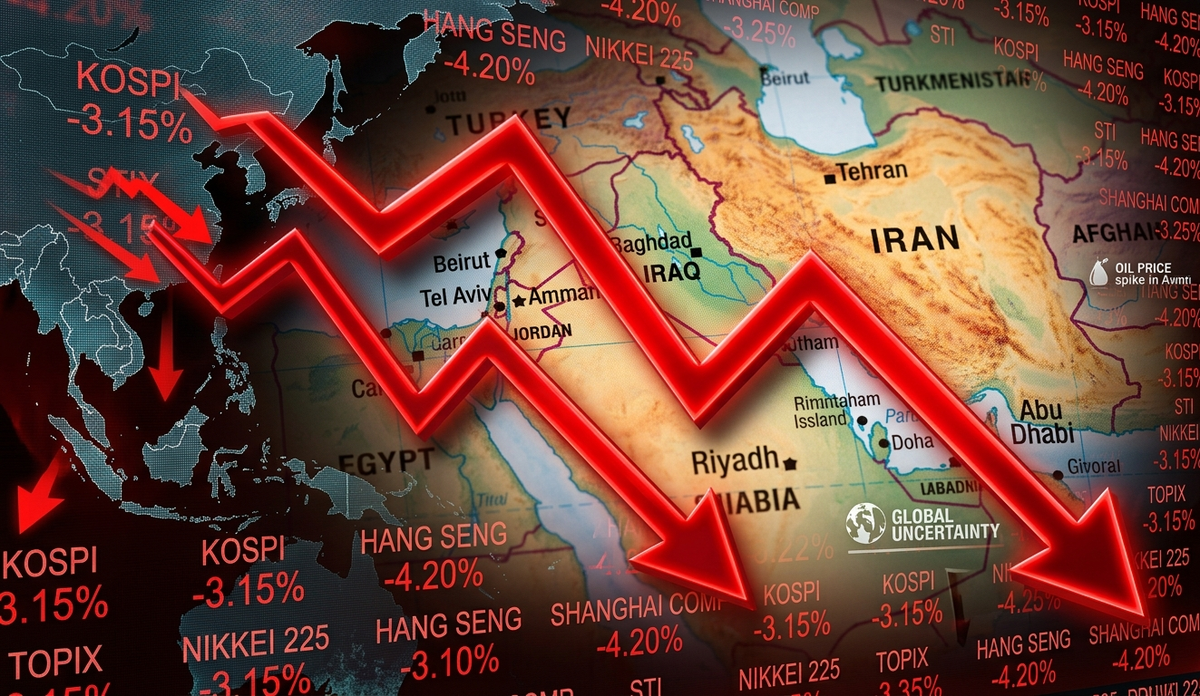
Asian technology stocks suffered a sharp sell-off on Monday, June 8, 2026, erasing much of the recent record gains as escalating military conflict in the Middle East triggered a broad risk-off sentiment across global markets.Major indices in the region closed significantly lower, with the tech-heavy sectors bearing the brunt of the selling pressure. The sudden reversal comes after a powerful rally driven by AI optimism and strong earnings from regional semiconductor and electronics giants.Market Performance TodayNikkei 225 (Japan): -2.8%
Hang Seng (Hong Kong): -3.4%
Kospi (South Korea): -3.1%
Taiwan Weighted: -3.7%
Shanghai Composite: -2.2%
Semiconductor, consumer electronics, and software stocks led the declines. Major names including TSMC, Samsung Electronics, Sony, and Tencent saw heavy selling as investors fled to safer assets.What Triggered the Sell-Off?The primary catalyst was the latest escalation in the Middle East. Iran launched coordinated drone and missile attacks on targets in both Bahrain and Kuwait over the weekend, dramatically widening the regional conflict.This development has raised serious concerns about:Potential disruption to oil supplies through the Strait of Hormuz
Broader involvement of Gulf nations and the United States
Increased geopolitical risk premium across global markets
Oil prices surged more than 6% in early trading, further pressuring growth-oriented tech stocks that are sensitive to higher energy costs and economic uncertainty.From Record Rally to Sharp ReversalThe drop marks a dramatic turn after Asian tech stocks posted strong gains in recent weeks, fueled by:Strong AI-related demand
Positive earnings from chipmakers and electronics firms
Hopes for continued global economic resilience
Many analysts had warned that the rally was becoming overstretched and vulnerable to external shocks. Today’s events provided exactly that trigger.Sector Impact AnalysisSemiconductors were hit hardest due to their sensitivity to global risk sentiment and supply chain concerns in the Middle East. Memory chip and foundry stocks led the decline.Consumer Electronics companies also fell sharply as investors worried about potential consumer spending slowdown if energy prices remain elevated.Software and Internet stocks saw more moderate declines but still closed firmly in the red as growth expectations were recalibrated.Analyst PerspectivesSeveral market strategists weighed in on the move:“This is a classic risk-off reaction. Geopolitical shocks tend to hit growth stocks the hardest,” noted one regional strategist at a major investment bank.
“The Middle East situation adds another layer of uncertainty on top of already high valuations in tech,” said another analyst.
Some longer-term bulls argued the sell-off could be a healthy correction, creating buying opportunities if the conflict does not escalate further.
Broader Economic ImplicationsRising oil prices from the Gulf tensions could complicate inflation dynamics across Asia, particularly for import-dependent economies like Japan, South Korea, and India. Central banks in the region may need to reassess their monetary policy paths if energy costs remain elevated.Global supply chains for electronics could also face renewed pressure if shipping routes or energy supplies are disrupted for an extended period.What Happens Next?Markets will remain highly sensitive to any further developments in the Middle East. Key factors to watch:Response from the United States and Gulf allies
Any disruption to oil production or shipping
Corporate earnings reactions in the coming weeks
Central bank commentary on inflation risks
Technical analysts suggest key support levels on major Asian indices will be tested in the near term. A break below could open the door for deeper corrections, while stabilization might allow for a relief rally.Investor TakeawaysFor investors in Asian tech:Increased volatility is likely in the short term
Geopolitical risk has returned as a dominant market driver
Quality companies with strong balance sheets and clear AI exposure may weather the storm better
Diversification and careful risk management become even more important
While today’s sell-off is painful, it also reflects the interconnected nature of global markets — where events thousands of miles away can rapidly impact technology valuations in Asia.We will continue monitoring the situation closely as developments unfold in both the Middle East and financial markets.
Comments (0)
Please log in to comment
No comments yet. Be the first!