World & Politics
Russian tanker *Anatoly Kolodkin* arrives in Cuba with 730,000 barrels despite US threats
The world's oil crisis just arrived in the Caribbean — and Washington is watching.
The Russian tanker Anatoly Kolodkin, carrying 730,000 barrels of crude oil, has docked in Cuba despite explicit warnings from the United States that any vessel delivering Russian energy to the island would face severe sanctions. The ship's arrival is a direct and deliberate challenge to US foreign policy — and its timing, in the middle of the most severe global oil supply crisis in decades, could not be more charged.
At digital8hub.com, we've been tracking the intersection of the Iran war, global energy markets, and the growing Russia-Cuba energy relationship since the conflict began. Today's development is one of the most provocative yet.
What Arrived and When
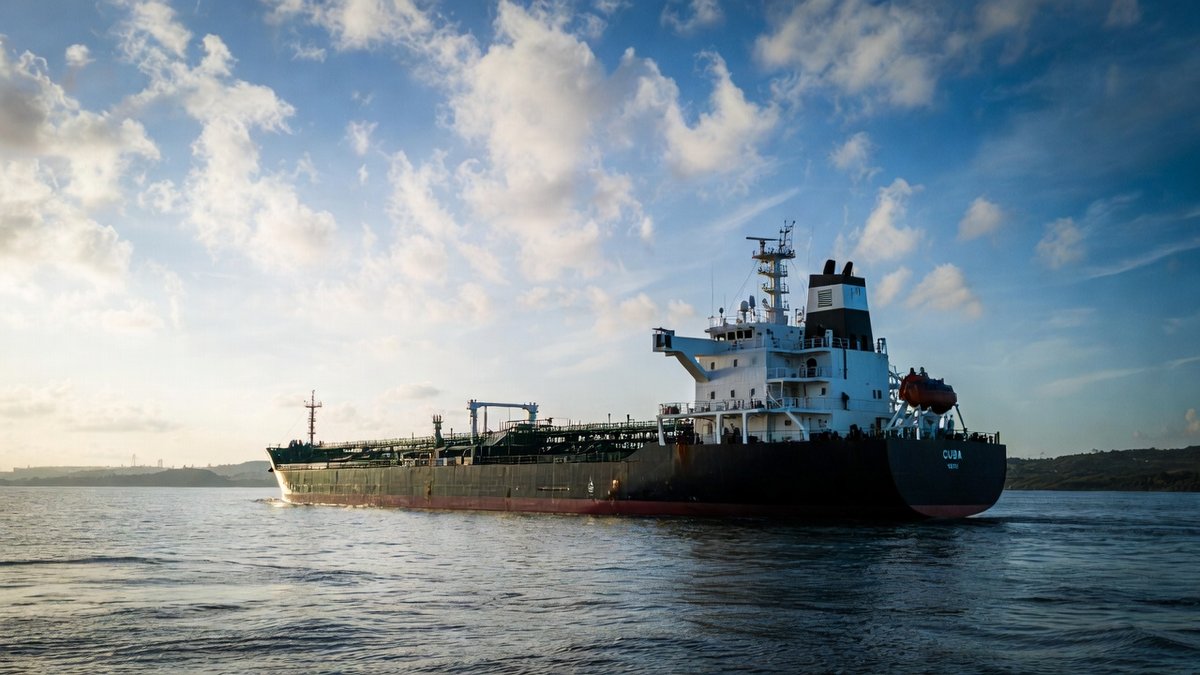
The Anatoly Kolodkin is a Russian-flagged crude oil tanker — one of the vessels operating within Russia's so-called "shadow fleet," a network of ships used to transport Russian oil in defiance of Western sanctions. The vessel arrived at the Port of Havana carrying 730,000 barrels of crude — enough to sustain Cuba's struggling energy infrastructure for several weeks.
Its arrival was confirmed by maritime tracking data and Cuban state media, which celebrated the delivery as a lifeline for the island's battered economy and energy grid. Cuba has been suffering severe fuel shortages for years — worsened dramatically by the global oil supply disruption caused by Iran's closure of the Strait of Hormuz since February 28, 2026.
The US Warnings — And Why They Failed
The Trump administration had issued pointed warnings in the weeks preceding the Anatoly Kolodkin's arrival — threatening secondary sanctions against any entity or vessel involved in the delivery of Russian oil to Cuba. The warnings were part of a broader effort to tighten the economic noose around both Havana and Moscow simultaneously, leveraging America's dominance of the global financial system.
The warnings did not work.
Russia's decision to send the Anatoly Kolodkin regardless is a calculated act of defiance — a message to Washington that Moscow will not be deterred from expanding its energy relationships in the Western Hemisphere at a moment when global oil is scarce, expensive, and politically weaponised. For Cuba, accepting the delivery carries its own risks — but the island had little choice. Without the Russian oil, Cuba's already fragile power grid faces total collapse.
Why This Matters: The Geopolitical Context
The Anatoly Kolodkin's arrival cannot be separated from the broader global energy crisis of 2026. With Brent crude briefly hitting $110 a barrel last week, the Strait of Hormuz operating at 5% of normal capacity, and Goldman Sachs warning of $147 oil if the situation persists, Russian crude is now one of the few sources of affordable supply for nations that cannot access Western markets.
Cuba sits directly in that vulnerability. The island imports virtually all of its oil. Its refineries — battered by years of underinvestment and hurricane damage — operate well below capacity. Its power grid has been running on rolling blackouts for years. The arrival of 730,000 barrels of Russian crude is not a geopolitical statement for ordinary Cubans. It is electricity. It is fuel. It is survival.
Russia, for its part, understands this leverage perfectly. By supplying Cuba during a global oil crisis — in defiance of US sanctions — Moscow is simultaneously demonstrating the limits of American economic power, expanding its foothold in the Western Hemisphere, and building goodwill with a neighbour of the United States that has been an irritant to Washington for over six decades.
The Shadow Fleet Expands Its Reach
The Anatoly Kolodkin is one of hundreds of vessels operating within Russia's shadow tanker fleet — a collection of ageing, often poorly insured ships flying flags of convenience from countries that do not enforce Western sanctions. Since the EU and US imposed oil price caps and sanctions on Russian crude following the 2022 invasion of Ukraine, the shadow fleet has grown dramatically.
The Iran war has accelerated its expansion. With Middle Eastern oil largely unavailable to sanction-compliant buyers due to the Hormuz closure, Russian crude — transported via shadow fleet — has become one of the most sought-after commodities in the global market. Countries across Asia, Africa, and Latin America are quietly buying Russian oil through intermediaries, ignoring Western pressure, and keeping their economies running.
Cuba's acceptance of the Anatoly Kolodkin is simply the most visible example of a dynamic playing out across dozens of countries. Washington's ability to enforce its sanctions regime is being tested — and in many cases, found wanting.
What Comes Next
The US now faces a choice. Enforcing secondary sanctions against a Russian vessel that has already docked in Cuba carries enormous diplomatic risks — including further deterioration of US-Cuba relations, potential confrontation with Moscow at a moment when the Iran situation demands focus, and the uncomfortable optics of punishing a desperately poor island nation for buying oil it needs to function.
Not enforcing sanctions carries its own risks — signalling to Russia, China, Iran, and every other adversary that US economic warnings are hollow when tested by determined actors with few alternatives.
There are no clean options here. Only the grinding reality of a world in which energy, sanctions, war, and survival are now inextricably tangled together.
Stay across every development in world politics, global energy, and the stories that define our time exclusively at digital8hub.com — your trusted source for breaking news and deep analysis.
Comments (0)
Please log in to comment
No comments yet. Be the first!