World & Politics
Oil Prices Fall Sharply as United States and Iran Discuss Potential Peace Deal
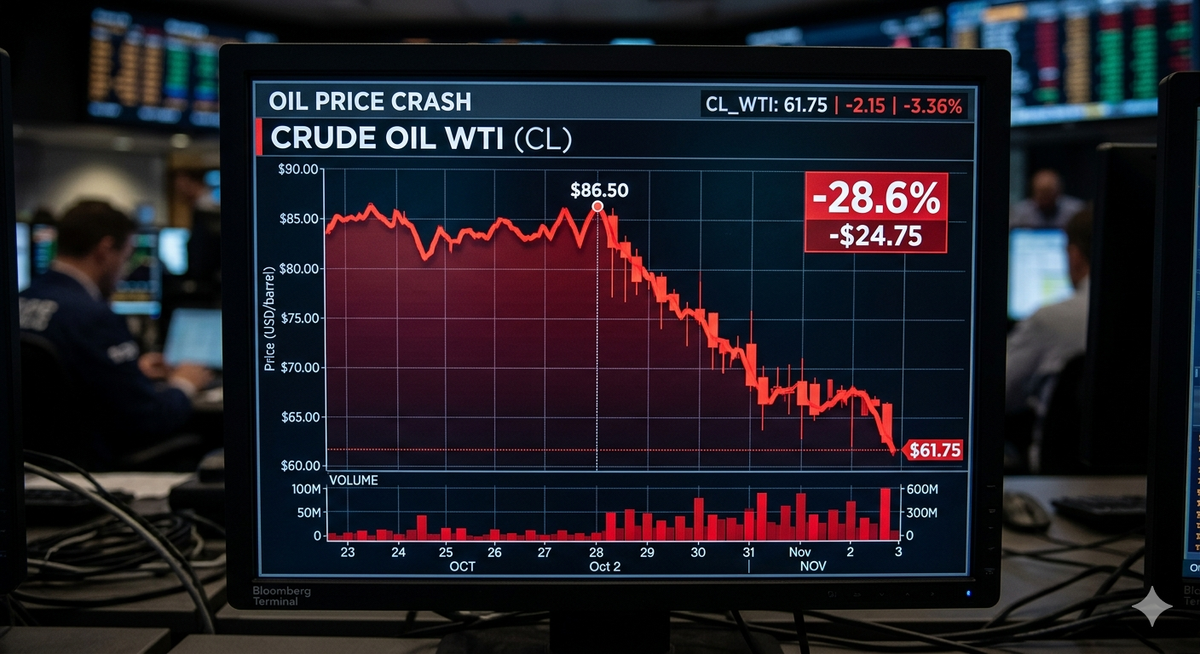
Global oil markets experienced a significant sell-off on May 18, 2026, with benchmark crude prices falling more than 8% in a single session after credible reports confirmed that the United States and Iran are engaged in high-level peace negotiations.The surprise development has dramatically shifted market sentiment, easing fears of prolonged disruption in the Strait of Hormuz and offering hope for a diplomatic resolution to months of escalating conflict.Market ReactionBrent crude fell from $98.50 to as low as $89.80 per barrel.
West Texas Intermediate (WTI) dropped below $86 per barrel at one point.
Energy stocks saw mixed movement, with some producers declining on lower price expectations while shipping and insurance companies gained on hopes of safer navigation in the Gulf.
The sharp decline reflects traders rapidly pricing in the possibility of restored Iranian oil exports and normalized shipping through one of the world’s most critical energy chokepoints.Background of the TalksAccording to sources familiar with the discussions, indirect talks facilitated by intermediaries in Oman and Qatar have accelerated in recent days. President Donald Trump’s administration has reportedly signaled willingness to ease certain sanctions in exchange for Iran agreeing to long-term limits on its nuclear program and guarantees regarding freedom of navigation in the Strait of Hormuz.Iranian officials have expressed cautious optimism, with one senior diplomat stating that “serious proposals are on the table.” However, both sides have emphasized that significant differences remain, particularly regarding the timeline for sanctions relief and verification mechanisms for any nuclear agreement.Strategic Importance of the NegotiationsThe potential deal carries enormous weight for several reasons:Energy Security: The Strait of Hormuz accounts for roughly 20% of global oil trade. Even partial normalization could add 1.5–2 million barrels per day of Iranian crude back into the market.
Economic Relief: Lower oil prices would help ease inflationary pressures worldwide, particularly benefiting energy-importing nations.
Geopolitical Realignment: A successful agreement could reduce tensions between Iran and the West while creating new diplomatic pathways in the Middle East.
Market Stability: Reduced risk premium in oil prices would benefit consumers and industries dependent on stable energy costs.
Analyst PerspectivesEnergy analysts have offered varied interpretations of the price movement:Short-term optimism: Many believe a temporary ceasefire or interim agreement is likely within weeks.
Long-term caution: Others warn that talks could collapse quickly, especially if hardliners on either side push back against concessions.
Supply impact: Goldman Sachs estimated that a full return of Iranian exports could push Brent crude toward the $70–$75 range by late 2026, assuming no major new disruptions.
Broader Geopolitical ContextThe current talks represent a significant shift from the confrontational stance of recent months. The U.S. naval blockade of Iranian ports and Iran’s retaliatory threats to close the Strait of Hormuz had previously driven oil prices to multi-year highs.The involvement of senior officials from both sides suggests genuine interest in de-escalation, though many observers remain skeptical given the history of failed negotiations.Implications for Global MarketsAirlines and Transportation: Lower fuel costs could boost profitability for airlines and shipping companies.
Renewable Energy: Sustained lower oil prices might slow the transition to renewables in some regions.
Stock Markets: Broader equities have generally reacted positively to the news, with reduced geopolitical risk supporting investor sentiment.
Emerging Markets: Oil-importing developing economies stand to benefit most from cheaper energy.
Risks RemainingDespite the optimism, several risks could derail progress:Hardline factions in Iran opposing any nuclear concessions
Israeli concerns about Iran’s regional influence
Potential for new incidents in the Gulf that could rapidly reverse market sentiment
Domestic political pressures in the United States ahead of midterm elections
What Happens Next?Negotiators are reportedly aiming for an initial framework agreement within the next 10–14 days. If successful, this could lead to a phased easing of sanctions and verification of Iranian compliance.Energy traders are expected to remain highly sensitive to any statements or leaks coming out of the talks. Volatility is likely to remain elevated until a clearer picture emerges.For now, the market has delivered its verdict: peace in the Middle East is worth significantly more than continued conflict — at least when it comes to the price of oil.
Comments (0)
Please log in to comment
No comments yet. Be the first!