World & Politics
Kuwait Airport Radar Destroyed Again — Iran's Drone War on Civil Aviation Escalates
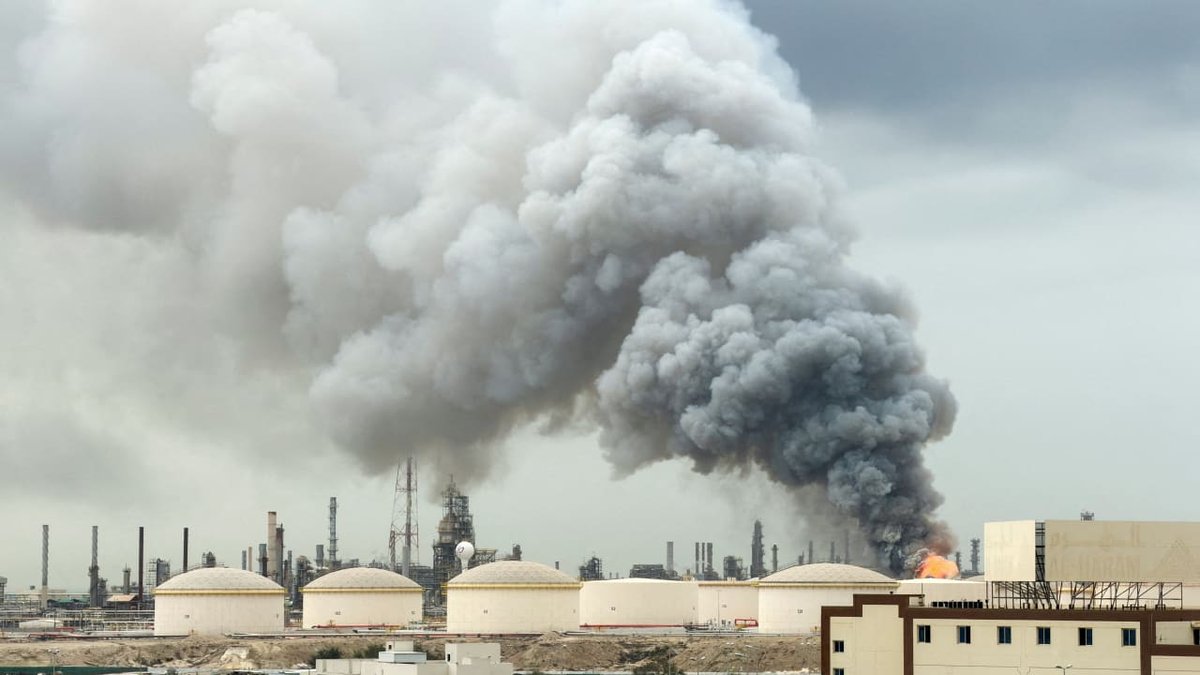
Kuwait International Airport has been struck again. Today — Saturday, March 28, 2026, Day 29 of the Iran war — multiple drone attacks targeted Kuwait International Airport, causing **significant damage to its radar system**. It is the most strategically damaging strike yet on the airport's operational infrastructure.
At **digital8hub.com**, we are covering this story as it develops. Here is everything confirmed so far.
---
**What Happened Today**
Kuwait's Directorate General of Civil Aviation confirmed this morning that the airport was targeted by multiple drone attacks in the early hours of Saturday. The strikes caused significant damage to the airport's radar infrastructure — the system that governs the safe management of all air traffic in and out of the facility.
Abdullah Al-Rajhi, Official Spokesperson for the Directorate General of Civil Aviation, confirmed to Kuwait's state news agency KUNA that **no human injuries or casualties** have been recorded as a result of today's attack. Emergency teams and relevant authorities responded immediately, taking necessary measures to contain the situation and address the damage.
Kuwait's Armed Forces provided the most detailed account of the attack: **3 hostile drones** directly targeted Kuwait International Airport, resulting in damage to the radar system. A further 3 drones fell outside the threat area and posed no danger. Air defence systems were engaged throughout.
The Kuwaiti Armed Forces reaffirmed their position: "We affirm our full readiness to protect the security of the homeland and preserve its sovereignty."
---
**This Is the Third Radar Attack — And the Most Severe**
Today's strike is not the first time Kuwait's airport radar has been targeted — but it is the worst. A full timeline of attacks on Kuwait International Airport since the war began on February 28 makes for alarming reading:
**February 28 (Day 1):** An Iranian drone struck the airport on the very first day of the conflict, injuring four Bangladeshi nationals — the opening salvo in what would become a sustained campaign.
**March 7–8:** Drone strikes caused fires in the airport's fuel storage area, triggering emergency response teams. The airport's operational capacity was severely disrupted.
**March 12:** Further drone attacks targeted airport terminals and radar systems, leaving the facility unable to function normally.
**March 14:** Kuwait's civil aviation authority confirmed that an attack with "several drones" struck the airport's radar system — the first direct confirmed radar hit, temporarily compromising Kuwait's civilian aviation operations.
**March 25:** Iranian drones struck a fuel depot at Kuwait International Airport, igniting a massive fire. Kuwait's National Guard intercepted six drones during the overnight attack.
**March 28 (Today):** Three hostile drones strike the radar system directly — causing what authorities describe as "significant damage" to radar infrastructure. The most operationally devastating single strike yet.
Six documented attacks in 29 days. Each one more targeted, more damaging, more strategically calculated than the last.
---
**The Airport Is Closed — And Thousands Are Stranded**
Kuwait International Airport has not resumed regular commercial flights since the war began. As of today, all air traffic to and from the airport remains suspended until further notice. The damage has been extensive and cumulative — targeting runways, terminals, fuel depots, and now, repeatedly, the radar system itself.
The humanitarian consequences are severe. Thousands of passengers — including migrant workers, students, and families — have been stranded, unable to fly home or reach their destinations. Airlines including Kuwait Airways, Jazeera Airways, Emirates, Qatar Airways, and Etihad Airways have been forced to cancel all flights to and from Kuwait.
Alternative routes have been put in place, with airlines rerouting flights to nearby airports including Dammam in Saudi Arabia and Bahrain — both of which are themselves operating under elevated threat conditions. For travellers hoping to reach or leave Kuwait, the situation remains deeply uncertain.
There is currently no clear timeline for the airport's reopening. Authorities have stressed that a phased reopening is only possible once all inspections and repairs are completed — and once the threat of further attacks has been credibly mitigated. With today's radar strike, that timeline has almost certainly been pushed further back.
---
**The UN Steps In**
Today's attack comes as the United Nations Secretary-General António Guterres announced the establishment of a dedicated task force to address challenges related to navigation in the Strait of Hormuz — with the aim of securing global humanitarian needs. The task force is the most significant international institutional response to the crisis yet — but its establishment underlines just how serious the situation has become.
A UN task force is not a ceasefire. It is an acknowledgement that the world body has run out of softer diplomatic tools.
---
**Iran's Wider Infrastructure War: The Pattern Is Clear**
Kuwait is not alone. Iran's drone and missile campaign across the Gulf Cooperation Council has been relentless. Shuwaikh port in Kuwait was also hit by drones today, causing material damage and one injury. Salalah port in Oman was targeted, injuring one person. A strike on Prince Sultan Air Base in Saudi Arabia injured 12 US troops. The Houthis — acting in coordination with Iran — have claimed their first attacks on Israel since the war began.
The pattern of targeting is consistent and deliberate. Iran is not striking at military hardware or frontline positions. It is targeting the infrastructure that keeps Gulf economies running — airports, ports, energy facilities, water systems, and telecommunications. It is economic warfare, conducted from the air, at scale, designed to make the cost of hosting US forces too high to sustain.
Kuwait's airport radar system is a textbook example of that strategy in action. A radar system is not a military target. It is a civilian asset that governs the safety of commercial aviation. Destroying it does not weaken Kuwait's military — but it closes the country's main gateway to the world, strands thousands of civilians, and sends a message to every other Gulf state about the price of neutrality.
The UN task force, the Trump deadline extension, the ceasefire proposals — all of them are happening in the background while the drones keep flying. Today was yet another reminder that the conflict is very much still active — and that Kuwait International Airport remains one of its most persistently targeted locations.
Stay across every development in this fast-moving conflict exclusively at **[digital8hub.com](https://digital8hub.com)** — your trusted source for breaking world news, geopolitics, and the stories that define our time.
Comments (0)
Please log in to comment
No comments yet. Be the first!