World & Politics
Iran Strikes Kuwait's Mina Al-Ahmadi Oil Refinery
Iran Strikes Kuwait's Mina Al-Ahmadi Oil Refinery — What Happened and Why It Matters
As the five-week-old Iran war shows no signs of slowing, Tehran has escalated its campaign against Gulf Arab energy infrastructure in one of its most consequential strikes yet.
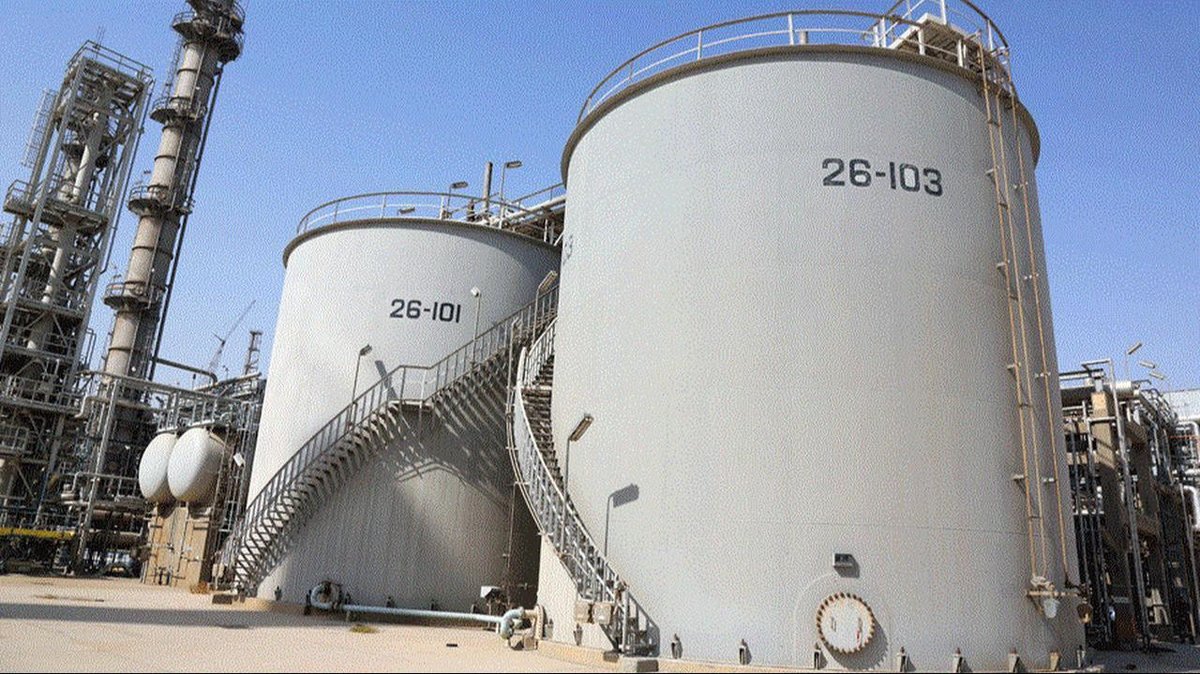
Kuwait's Mina Al-Ahmadi refinery was hit by Iranian drones early on Friday in attacks that caused fires in several units at the facility, as the war in the Middle East shows no signs of de-escalation despite the most recent U.S. and Israeli rhetoric. OilPrice.com
April 3 marked the third confirmed attack on the facility since the conflict began on February 28 House of Saud — and this time, the strikes went further than before, hitting both Kuwait's most critical oil infrastructure and its civilian water supply on the same day.
What Is the Mina Al-Ahmadi Refinery?
The Mina Al-Ahmadi refinery is one of Kuwait's largest and most strategic oil terminals, situated about 40 kilometres south of Kuwait City within the country's main export hub. With a refining capacity of roughly 450,000 to 466,000 barrels per day, it plays a central role in processing crude into key fuels such as diesel, petrol and jet fuel for both domestic use and international markets. The complex is closely integrated with storage, petrochemical units and export terminals, making it a cornerstone of Kuwait's energy infrastructure. The National
Refineries are key to Kuwait's oil production because, without them, oil wells would have to be shut down for lack of a destination for the oil. Business Standard In short — hitting this refinery doesn't just damage one facility. It threatens Kuwait's entire oil production chain.
What Happened on April 3?
The refinery, located 50 kilometres south of Kuwait City, came under drone attack in the early hours of Friday. Kuwait Petroleum Corporation said in a statement: "The attacks resulted in a fire in several units within the refinery but caused no injuries, according to preliminary assessments." OilPrice.com
Al Jazeera's correspondent reporting from Kuwait City confirmed this was the third time the refinery had been hit and that people across the country were on "high alert." He added: "It's one of the biggest refineries in the Middle East and it is also critical for local consumption. Kuwait is the closest country to Iran — just 80 kilometres separates Kuwait from Iran's coastline, so it's perhaps the most easily targeted from these attacks." Al Jazeera
But the refinery was not the only target. April 3 was the first time both energy and civilian water systems were struck simultaneously during the five-week-old conflict. The Ministry of Electricity, Water and Renewable Energy reported "material damage" at a desalination facility — the second attack on Kuwait's water infrastructure in just four days. House of Saud
An Iranian strike also hit a water desalination and power plant in Kuwait, which relies on desalination for almost all of its drinking water. Newser About 90 percent of drinking water in Kuwait comes from desalination — and desalination plants have become a major target in the war. Business Standard
A Widening Regional Campaign
The strikes on Kuwait are part of a far broader Iranian campaign across the Gulf. Official data showed that between February 28 and April 2 alone, 6,293 Iranian attacks were recorded across the region, with the UAE accounting for about 40 percent of those strikes. The National
Qatar's Ras Laffan — the world's largest liquefied natural gas terminal — sustained severe damage in earlier Iranian attacks, wiping out roughly 17 percent of global LNG supply and costing an estimated $20 billion in annual revenue. QatarEnergy chief Saad al-Kaabi said repairs could take between three and five years, and that the scale of destruction had set the region back "10 to 20 years." Al Jazeera
On the same day as the Kuwait refinery attack, Saudi Arabia intercepted and destroyed seven drones, and a fire broke out at the Habshan gas plant in the UAE after successful interceptions by UAE air defences. Four missile alerts were sent in Abu Dhabi, urging the public to remain in safe locations. The National
Iran's Escalation Strategy
Iran's targeting of GCC infrastructure has followed a documented three-phase escalation: military installations in the first week, energy infrastructure — refineries, pipelines, petrochemical plants — in weeks two and three, and civilian survival systems including desalination plants and power grids from early March onward. House of Saud
Iranian Foreign Minister Abbas Araghchi warned that the strikes on Gulf infrastructure represented "a fraction" of the country's capabilities, and threatened "zero restraint" should Iran's own energy facilities come under further attack. Al Jazeera
Notably, Kuwait has maintained a non-combatant posture throughout the conflict. The Emir of Kuwait said his country was facing "an unprovoked attack from a neighbouring Muslim country which we consider a friend, and to which we did not allow the use of our land, airspace, or waters for any military action against it." Wikipedia
The Global Energy Ripple Effect
Every strike on Gulf energy infrastructure sends shockwaves through global markets. With the Strait of Hormuz already effectively closed, oil prices have surged to multi-year highs — and each new attack on refineries, pipelines, and desalination plants compounds the disruption further.
Despite claims from the U.S. and Israel that Iran's military capabilities have been all but destroyed, Tehran has continued to keep the pressure on Israel and its Gulf Arab neighbours KSAT — demonstrating a resilience that has surprised many analysts and unsettled global markets.
For businesses, investors, and governments tracking global energy security, the repeated targeting of Mina Al-Ahmadi is a stark reminder of just how fragile the world's energy supply chains have become.
For continued coverage of the Iran war, Gulf energy security, and the global consequences of the Strait of Hormuz crisis, visit digital8hub.com — your trusted source for breaking world news and in-depth analysis in 2026.
Comments (0)
Please log in to comment
No comments yet. Be the first!