Health & Fitness
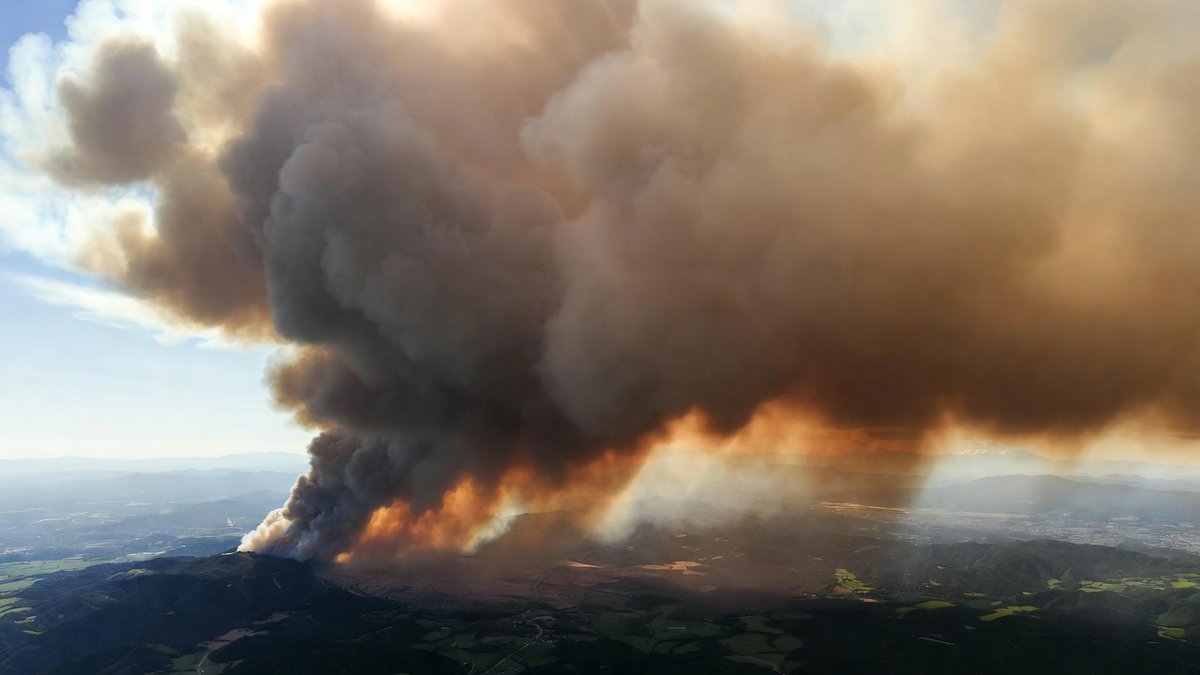
Raging Wildfires Sweep Japan — Mass Evacuations as Blazes Tear Through Communities
Fire Across Japan — A Nation Battles Its Blazes
Japan is a country intimately familiar with natural disaster. Earthquakes, tsunamis, typhoons — the Japanese people have endured and recovered from catastrophes that would overwhelm less resilient societies. But the raging wildfires currently tearing through parts of the country represent a different kind of emergency — one that is becoming increasingly frequent, increasingly severe, and increasingly difficult to attribute to anything other than the accelerating effects of climate change on a landscape that was simply not prepared for fires of this scale.
Mass evacuations are underway. Emergency services are stretched. Communities that have stood for generations are watching walls of flame advance toward their homes. And at digital8hub.com, we bring you the full picture of what is unfolding — and what it means for Japan and the wider world.
The Scale of the Crisis
The wildfires currently burning across affected regions of Japan have grown with alarming speed, driven by a combination of dry conditions, low humidity, and strong seasonal winds that have fanned the flames into blazes far beyond the capacity of local fire services to contain through conventional means.
Emergency services have confirmed that mass evacuations are in effect across multiple affected communities, with residents ordered to leave their homes immediately as fire fronts advance with little warning. The scale of the evacuation orders — encompassing thousands of households across affected prefectures — reflects the seriousness with which Japanese authorities are treating the threat.
Aerial firefighting assets — including helicopters and fixed-wing water-bombing aircraft — have been deployed to support ground crews, but conditions on the ground remain extremely challenging. Wind direction changes have repeatedly altered the course of the fire fronts, making it difficult for firefighters to establish effective containment lines and forcing repeated repositioning of resources.
Japan's Self-Defence Forces have been mobilised to support civilian emergency services — a deployment that reflects the scale of the crisis and the need for the kind of logistical and manpower resources that only the military can provide at short notice. SDF personnel are assisting with evacuation operations, establishing emergency shelters, and providing support to affected communities in the fire's aftermath.
The Communities in the Path of the Flames
Japan's wildfire emergency is not an abstract statistic. Behind every evacuation order is a community — families who have built their lives in these landscapes, farmers who tend the surrounding land, elderly residents for whom evacuation is not merely an inconvenience but a genuine physical and psychological ordeal.
Rural and semi-rural communities in the affected regions face particular vulnerability. Many of these areas have aging populations — a reflection of Japan's broader demographic challenge — with a high proportion of elderly residents who may have limited mobility and who are disproportionately dependent on community support networks that are themselves disrupted by the evacuation emergency.
The physical and cultural heritage at risk is also significant. Japan's rural landscapes contain temples, shrines, traditional wooden structures, and agricultural heritage that are irreplaceable — not just to local communities but to Japan's broader cultural identity. The loss of such structures to wildfire, even when lives are spared, carries a weight that extends far beyond the material.
Evacuation centres have been established in community halls, schools, and public facilities in areas outside the immediate fire zones, with local authorities and volunteer organisations working to ensure that displaced residents have access to food, water, medical care, and the basic necessities of temporary shelter. Japan's civil emergency infrastructure — tested repeatedly by its exposure to natural disasters — is responding with the efficiency and organisation for which the country is internationally recognised.
What Is Driving Japan's Wildfire Crisis
Wildfires have historically been less of a concern in Japan than in countries like Australia, the United States, or the Mediterranean nations. Japan's climate — characterised by high humidity, significant rainfall, and dense vegetation — has traditionally provided a degree of natural protection against the kind of prolonged fire conditions that devastate drier landscapes.
That protection is eroding.
Climate Change and Shifting Weather Patterns
The scientific consensus is clear: climate change is altering precipitation patterns, extending dry seasons, and increasing the frequency and severity of the extreme weather events that create wildfire conditions. Japan is not immune to these shifts. Warmer winters, reduced snowpack in mountainous regions, and longer periods of dry weather in spring and autumn are all contributing to conditions that make large-scale wildfire increasingly possible — and increasingly probable.
Winter Drought Conditions
The fires follow a winter period that brought below-average rainfall to several regions of Japan, leaving vegetation unusually dry by the time spring winds arrived. Dry grass, dead leaves, and parched undergrowth provide the fuel that turns a manageable fire into an uncontrollable blaze, and this year's conditions have provided that fuel in abundance.
Seasonal Winds
Japan experiences strong, dry seasonal winds in spring — known regionally by various names depending on location — that dramatically accelerate the spread of fire. These winds are a natural feature of Japan's climate, but their interaction with unusually dry vegetation this year has created conditions that have allowed fires to spread at extraordinary speed.
Land Management Challenges
Japan's rural depopulation — the consequence of decades of migration from countryside to city — has left significant areas of previously managed agricultural and forest land without the human attention that historically kept vegetation cleared and fire risks managed. Abandoned farmland and unmanaged forest edges create corridors of uncleared fuel that allow fires to travel further and faster than they would in actively managed landscapes.
Japan's Emergency Response: Tested But Functioning
Japan's response to the wildfire emergency has drawn on the deep institutional knowledge and well-practised emergency protocols that the country has developed through its long experience with natural disasters. The country's disaster response infrastructure — built and refined through decades of earthquake, tsunami, and typhoon emergencies — provides a framework for mobilising resources, communicating with affected populations, and coordinating across multiple agencies that many other countries lack.
The Japan Meteorological Agency has been issuing continuous fire weather warnings for affected regions, providing real-time updates on wind conditions, humidity levels, and fire risk assessments that allow emergency services to anticipate and respond to changing conditions. Public broadcaster NHK has maintained continuous coverage, ensuring that affected communities have access to the information they need to make life-saving decisions.
Local government response has been characterised by the proactive issuance of evacuation orders — reflecting a policy shift in Japan toward earlier and more decisive evacuation directives, driven by lessons learned from previous disasters where delayed orders contributed to unnecessary casualties. This proactive approach, while disruptive for the thousands of residents forced to leave their homes, is almost certainly saving lives.
The international community has also responded, with several countries offering firefighting assistance and expressing solidarity with the affected communities. Japan's experience as a donor nation in international disaster response has generated significant goodwill that is now, in part, being returned.
The Road to Recovery
When the fires are finally contained — and they will be — the affected communities will face the long, difficult process of recovery. Physical infrastructure can be rebuilt, though at significant cost and over significant time. The psychological impact on displaced residents, particularly elderly community members who may have spent their entire lives in the affected areas, will require sustained and sensitive support.
The environmental damage — to forests, wildlife habitats, watersheds, and soil — will take decades to fully heal, even with active restoration efforts. Japan's forests play a critical role in water regulation, carbon storage, and biodiversity conservation, and large-scale fire damage to these systems has consequences that extend far beyond the immediate fire zone.
The policy implications are equally significant. Japan will need to confront the question of whether its land management practices, building regulations in fire-prone areas, and climate adaptation strategies are adequate for a future in which events like the current wildfire emergency may become not exceptional but routine.
For real-time updates on the Japan wildfire emergency and in-depth coverage of global natural disasters and world affairs, follow digital8hub.com — your trusted source for the stories that shape our world.
Comments (0)
Please log in to comment
No comments yet. Be the first!