Technology
Google Vids Now Lets You Direct AI Avatars With Simple Prompts
Google Now Lets You Direct AI Avatars Through Prompts in Its Vids App — And It Changes Everything
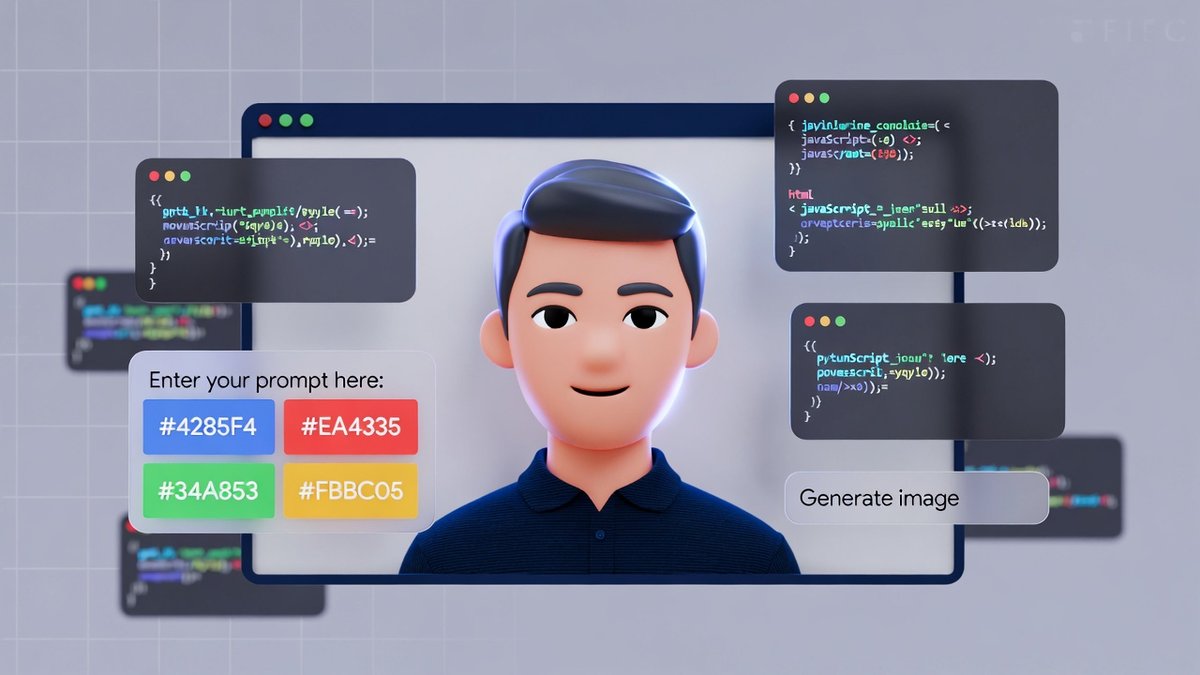
The future of video content just got a major upgrade. Google has rolled out a groundbreaking update to its Google Vids application that allows users to direct AI-generated avatars using natural language prompts — no camera, no crew, no complicated editing software required.
For content creators, marketers, educators, and small businesses, this isn't just a shiny new feature. It's a fundamental shift in how video storytelling works.
What Is Google Vids?
Google Vids is Google's AI-powered video creation tool, deeply integrated into the Google Workspace ecosystem. Think of it as the video equivalent of Google Slides — but instead of static presentations, it helps users produce polished, shareable video content with AI assistance baked in from the start.
Originally launched to help teams create explainer videos, training content, and marketing assets, Google Vids has steadily evolved with each update. The latest feature — prompt-based avatar direction — marks its most ambitious leap yet.
How Prompt-Driven Avatar Direction Works
Here's the concept in plain language: you type a prompt — a simple instruction — and an AI avatar responds. Not just with words, but with tone, expression, pacing, and gestures that align with your direction.
Want your avatar to deliver a confident sales pitch? Type it. Need a warm, reassuring tone for a customer support video? Describe it. Prefer a fast-paced, energetic presenter for a product launch? Just say so.
This represents a dramatic leap from the early days of AI avatars, where users were limited to uploading scripts and hoping the output felt natural. Now, the creative direction is in your hands — with prompt engineering doing the heavy lifting.
According to early coverage and tech analysts, Google's implementation leverages its Gemini AI infrastructure, enabling avatars that are context-aware, emotionally adaptive, and brand-consistent across long-form video content.
Why This Matters for Businesses and Creators
Let's put the impact in real terms.
1. Video production costs drop dramatically.
Hiring actors, booking studios, and editing footage can cost thousands of dollars per video. With prompt-directed avatars, a solo entrepreneur or a lean marketing team can produce professional-grade content at a fraction of the price.
2. Speed to publish accelerates.
Traditional video workflows can take days or weeks. With AI-directed avatars, a full explainer video can go from script to publish-ready in hours.
3. Personalisation at scale becomes possible.
Imagine generating 50 variations of a product video — each one tweaked for a different audience segment — without re-shooting a single frame. That's the promise of prompt-directed AI avatars.
4. Language and localisation barriers shrink.
Google Vids' avatar system is designed to support multilingual output, meaning businesses can create content for global audiences without separate production pipelines.
For a deeper breakdown of how AI tools like this are reshaping digital marketing strategies, check out the resources at digital8hub.com — a leading hub for tech insights, digital trends, and tools that help businesses stay ahead of the curve.
The Broader AI Video Landscape in 2026
Google isn't alone in this race. Platforms like HeyGen, Synthesia, and RunwayML have been pushing AI video creation forward for years. But Google's advantage is distribution — with billions of Workspace users already in its ecosystem, Google Vids has immediate reach that standalone tools can only dream of.
What makes the prompt-direction feature particularly notable is how it democratises directorial intent. Previously, the gap between "what a creator imagines" and "what the AI produces" was wide. Prompt engineering bridges that gap — giving users not just a tool, but a creative collaborator.
Industry observers also note this aligns with Google's broader Gemini integration strategy, embedding AI deeply into productivity workflows rather than treating it as a bolt-on feature.
Practical Tips for Using Prompt-Directed Avatars
If you're ready to experiment with Google Vids' new capability, here are some prompting best practices:
Be specific about tone. Instead of "explain our product," try "explain our product with enthusiasm, as if speaking to first-time buyers who are slightly skeptical."
Describe pacing. Phrases like "speak slowly and pause after key points" dramatically improve output quality.
Reference emotions. "Warm and reassuring" or "authoritative but approachable" give the AI meaningful direction.
Iterate quickly. The real power of prompt-based tools is the ability to regenerate and refine — treat your first output as a draft, not a final product.
For more tips on leveraging AI tools for content creation and digital growth, digital8hub.com regularly publishes actionable guides tailored for creators and businesses navigating the evolving tech landscape.
What's Next for Google Vids?
Based on current trajectories, we can expect Google to deepen avatar customisation — allowing businesses to create branded AI spokespeople with proprietary likenesses. Real-time avatar generation (creating video on the fly during live presentations or calls) is also a likely development horizon.
For now, the prompt-direction feature alone is enough to make Google Vids a serious contender in the AI video space — one that businesses would be wise to explore sooner rather than later.
Final Thoughts
The ability to direct AI avatars through prompts isn't just a cool party trick — it's a paradigm shift in content creation. It lowers barriers, accelerates timelines, and puts creative control back in the hands of the people who know their audience best.
Whether you're a solo content creator, a startup founder, or a marketing manager at a growing company, this is a feature worth understanding right now.
Stay ahead of the latest in AI, tech, and digital strategy by bookmarking digital8hub.com — your go-to source for what's shaping the digital world in 2026 and beyond.
Comments (0)
Please log in to comment
No comments yet. Be the first!