World & Politics
U.S. Navy Begins Blockade of Iranian Ports in the Strait of Hormuz
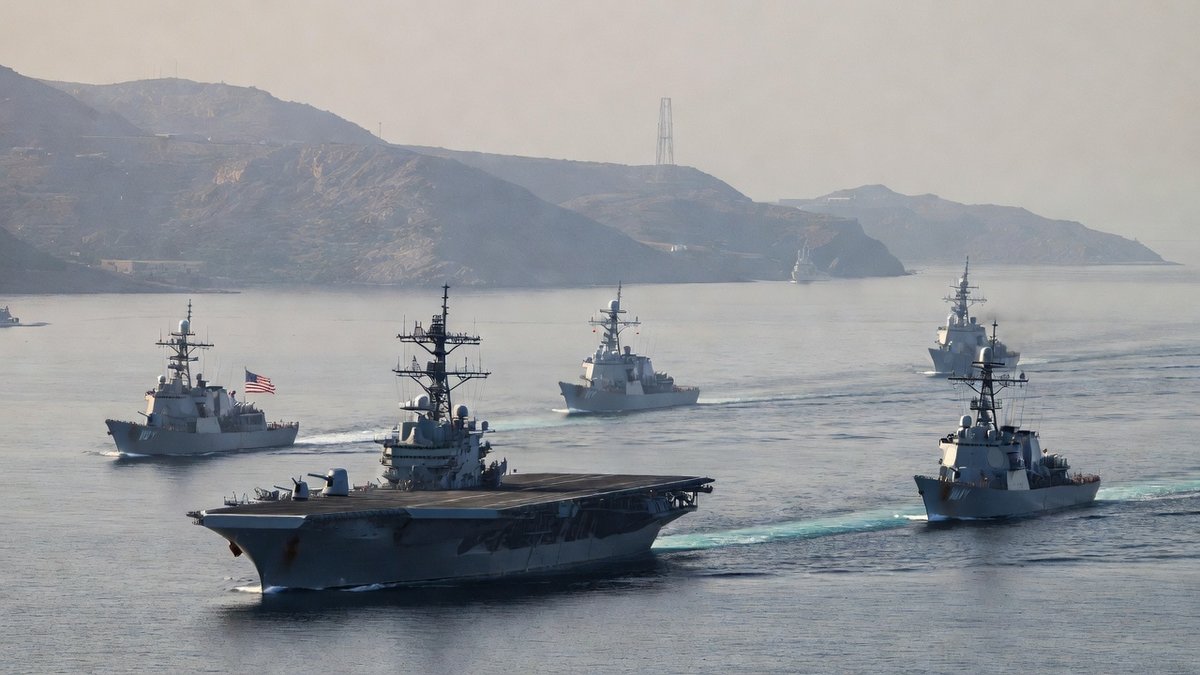
U.S. Navy Begins Blockade of Iranian Ports in the Strait of HormuzThe United States Navy has officially begun enforcing a naval blockade of all maritime traffic entering and exiting Iranian ports and coastal areas in the Strait of Hormuz, one of the world’s most critical energy chokepoints.U.S. Central Command (CENTCOM) confirmed the blockade took effect at 10:00 a.m. EDT (14:00 GMT) on April 13, 2026, following the breakdown of weekend peace talks between the U.S. and Iran in Pakistan.Scope of the BlockadeThe operation targets all vessels — regardless of nationality — attempting to enter or leave Iranian ports in the Arabian Gulf and Gulf of Oman.
Ships transiting the Strait of Hormuz between non-Iranian ports are still allowed to pass freely, preserving general freedom of navigation.
The move is described as an impartial enforcement action in response to Iran’s refusal to reopen the strait fully and abandon its nuclear ambitions, according to statements from President Donald Trump.
President Trump had earlier announced the blockade on social media, stating the U.S. Navy would block any ships trying to enter or leave the strait until Iran complies with demands.Background and ContextThe blockade follows the collapse of extended ceasefire negotiations in Islamabad. Talks failed primarily over Iran’s nuclear program and control of the Strait of Hormuz, through which approximately 20% of global oil supply normally flows.Iran has previously threatened retaliation against Gulf ports and warned of further disruption if its own shipping is targeted.International ReactionsSeveral countries, including the UK, have stated they will not participate in the blockade.
European leaders have emphasized the importance of restoring freedom of navigation in the strait.
Global oil markets are closely watching developments, with prices already showing volatility in response to the news.
Potential ImpactThis targeted blockade could significantly restrict Iran’s oil exports and imports while aiming to minimize broader disruption to international shipping. However, any escalation risks wider conflict, higher energy prices, and environmental or humanitarian consequences in the region.The situation remains highly fluid, with both sides issuing strong statements. Further updates from CENTCOM and the White House are expected in the coming hours.
Comments (0)
Please log in to comment
No comments yet. Be the first!