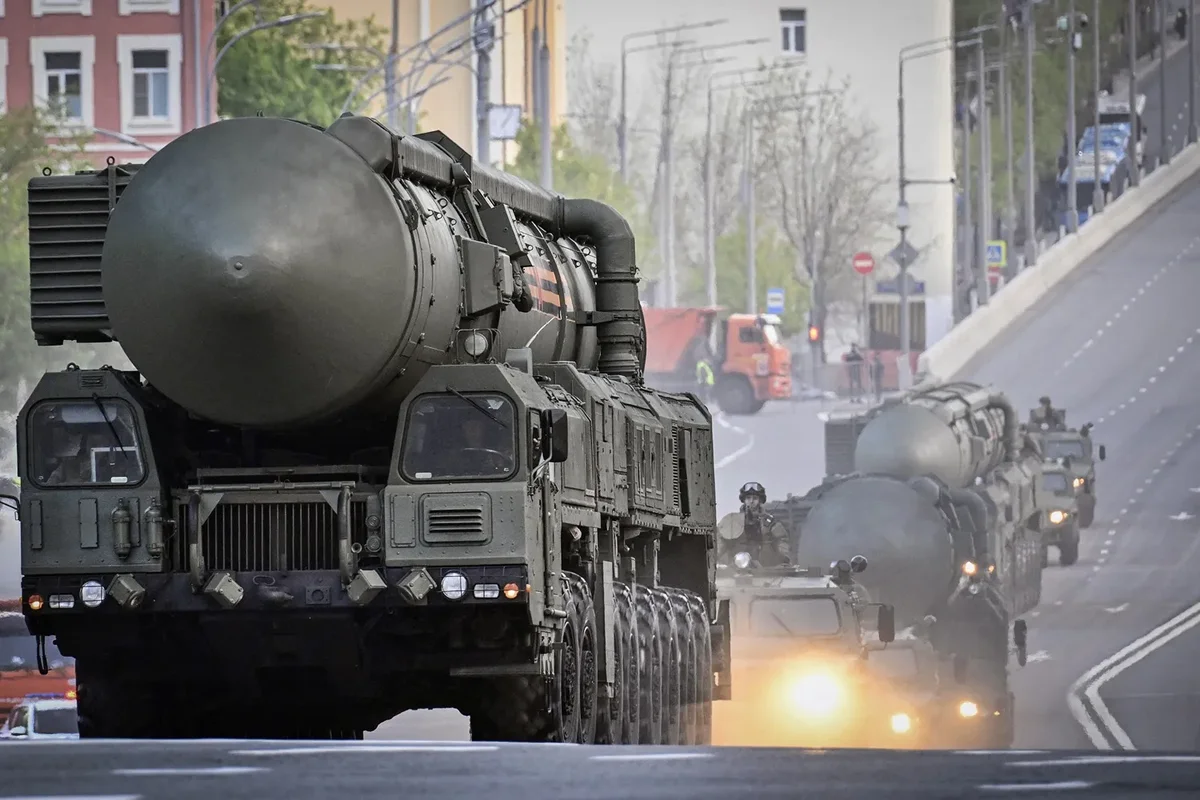
Russian Nuclear Weapons: Threat to Global Security,
The threat of nuclear war hangs over Eastern Europe once again, as tensions between Russia and the West continue to escalate. According to Russian Deputy Prime Minister, Sergei Medvedev, Russia has crossed the line and is now at war with Ukraine, while also warning of a "preventive nuclear attack" against NATO member states. This latest escalation has sent shockwaves through the international community, with many calling for calm and diplomacy to resolve the conflict.
Russian Nuclear Weapons: A Growing Concern
Russia's nuclear capabilities have long been a point of concern for the international community. With a large arsenal of nuclear weapons, Russia has the potential to unleash devastating attacks on its enemies. The Russian nuclear weapons 2026 treaty, which aimed to reduce nuclear arsenals, was never ratified by Russia, leaving many wondering about the country's true intentions. As the world grapples with the threat of nuclear war, it is essential to understand the capabilities of Russian nuclear weapons and their potential impact.
Read also: NATO Jets Patrol UK Skies Amid Russian Submarine Standoff
Russian Nuclear Weapons Names and List
Russia has a vast array of nuclear weapons, including intercontinental ballistic missiles (ICBMs), submarine-launched ballistic missiles (SLBMs), and strategic bombers. Some of the most notable Russian nuclear weapons include the RS-28 Sarmat ICBM, the RS-26M2 Voevoda ICBM, and the R-36M2 Voevoda ICBM. According to various sources, Russia's nuclear arsenal includes over 4,000 warheads, with the potential to deliver them using a range of delivery systems.
Russian Nuclear Weapons Range: A Long-Reach Threat
One of the most worrying aspects of Russian nuclear weapons is their range. With the ability to launch nuclear missiles across vast distances, Russia poses a significant threat to NATO member states. According to a report by the Stockholm International Peace Research Institute (SIPRI), the Russian nuclear weapons range extends to the western edge of the Arctic Ocean, with some missiles capable of reaching as far as the eastern coast of North America.
Russian Nuclear Weapons Test: A Pattern of Aggression
Russia has a history of conducting nuclear tests, with the most recent test taking place in 1996. According to the SIPRI report, Russia has conducted over 700 nuclear tests since 1949, with the majority of these tests occurring in the 1950s and 1960s. While Russia has maintained a moratorium on nuclear testing since 1996, the recent escalation of tensions with Ukraine and NATO has raised concerns that Russia may be preparing to resume testing.
Medvedev's Warning: A Call to Action
In a recent statement, Russian Deputy Prime Minister Sergei Medvedev warned that Russia was at war with Ukraine and NATO, and that a "preventive nuclear attack" against NATO member states was possible. According to Medvedev, Russia had been forced to take action against Ukraine due to the country's refusal to join the Eurasian Economic Union (EEU). This statement has been met with widespread criticism, with many calling for calm and diplomacy to resolve the conflict.
Read also: Black Gold Ignites — Oil Prices Explode Past $125 a Barrel as Trump Eyes Iran Blockade
Conclusion
The recent escalation of tensions between Russia and the West has sent shockwaves through the international community. With Russia's nuclear capabilities posing a significant threat to NATO member states, it is essential that the international community comes together to find a peaceful solution to the conflict. As the world grapples with the threat of nuclear war, it is crucial to understand the capabilities of Russian nuclear weapons and their potential impact.
Frequently Asked Questions
What is the current situation in Ukraine?
According to various sources, including the Ukrainian government and international observers, the conflict in Ukraine is ongoing, with fighting between Ukrainian government forces and Russian-backed separatists continuing in eastern Ukraine.
What is the Eurasian Economic Union (EEU)?
The EEU is a regional economic organization that includes Russia, Belarus, Kazakhstan, Kyrgyzstan, Armenia, and the Republic of Tajikistan. According to the EEU website, the organization aims to create a single market and customs union among its member states.
What is the Stockholm International Peace Research Institute (SIPRI)?
SIPRI is a non-profit research institute that specializes in the analysis of disarmament and arms control issues. According to the SIPRI website, the organization aims to provide independent and impartial research on the role of science and technology in international security and disarmament.
Comments (0)
Please log in to comment
No comments yet. Be the first!