World & Politics
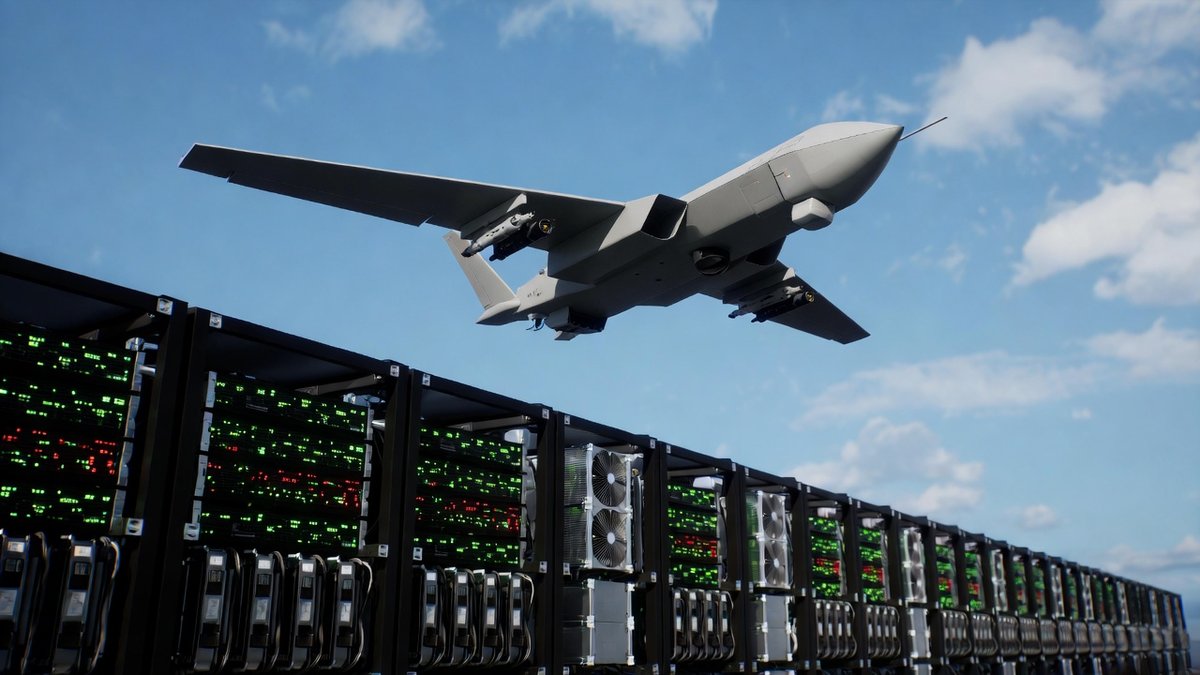
Iranian Drone Hits Amazon Web Services Facility in Bahrain: Global Tech Infrastructure at Risk
Iranian Drone Hits Amazon Web Services Facility in Bahrain: What It Means for Global Tech
In a developing and highly concerning situation, reports have emerged of an Iranian drone striking a facility linked to Amazon Web Services (AWS) in Bahrain. While details are still unfolding, this incident has sparked widespread alarm across the global technology and cybersecurity landscape.
This unprecedented event highlights the growing vulnerability of critical digital infrastructure in geopolitically sensitive regions.
What Happened in Bahrain?
Initial reports suggest that an Iranian drone targeted infrastructure associated with AWS, one of the world’s largest cloud computing providers. Bahrain, a strategic hub in the Middle East, hosts key data centers supporting businesses, governments, and startups globally.
Although the extent of the damage remains unclear, even minor disruptions to AWS services could have ripple effects across:
Financial institutions
E-commerce platforms
Government systems
AI and machine learning services
👉 For more breaking tech updates, visit https://digital8hub.com
Why AWS is a Critical Target
Amazon Web Services powers a massive portion of the internet. From startups to Fortune 500 companies, AWS provides scalable infrastructure for:
Cloud storage
Data processing
Artificial Intelligence
Web hosting
A direct or indirect attack on AWS infrastructure signals a shift in modern conflict—where digital infrastructure becomes a primary target.
Explore how cloud computing is evolving in crisis situations on https://digital8hub.com/post/technology
Cybersecurity & Global Risk Implications
This attack raises urgent questions:
Are cloud providers adequately protected against physical threats?
Could this trigger a rise in hybrid warfare (cyber + physical attacks)?
How will companies secure their data moving forward?
Experts warn that this could lead to:
Increased investment in cybersecurity
Migration to multi-cloud strategies
Greater emphasis on decentralized infrastructure
For more insights into cybersecurity trends, check out https://digital8hub.com/post/technology/cybersecurity-trends-2026
Geopolitical Tensions Escalating
The Middle East has long been a hotspot for geopolitical tensions. An attack involving Iran and a US-based tech giant like Amazon could escalate diplomatic strains.
Key concerns include:
US response and potential sanctions
Impact on global tech supply chains
Rising tensions in the Strait of Hormuz
This event underscores how technology is now deeply intertwined with global politics.
Stay updated on global developments at https://digital8hub.com/post/world
What This Means for Businesses
For businesses relying on AWS and other cloud providers, this incident is a wake-up call:
Key Takeaways:
Diversify cloud providers (multi-cloud strategy)
Strengthen disaster recovery plans
Monitor geopolitical risks
Invest in data redundancy
The Future of Cloud Security
As the world becomes increasingly digital, protecting cloud infrastructure will become a top priority.
We may soon see:
AI-driven threat detection
Edge computing adoption
Regional data sovereignty policies
Stronger international cybersecurity agreements
Final Thoughts
The reported Iranian drone strike on AWS infrastructure in Bahrain is more than just an isolated incident—it’s a glimpse into the future of warfare and digital vulnerability.
As global reliance on cloud computing grows, so does the need for robust, resilient, and secure infrastructure.
👉 For more breaking news, tech insights, and AI trends, visit https://digital8hub.com
Comments (0)
Please log in to comment
No comments yet. Be the first!