World & Politics
Iran Strikes Israeli Infrastructure in Negev as Conflict Escalates
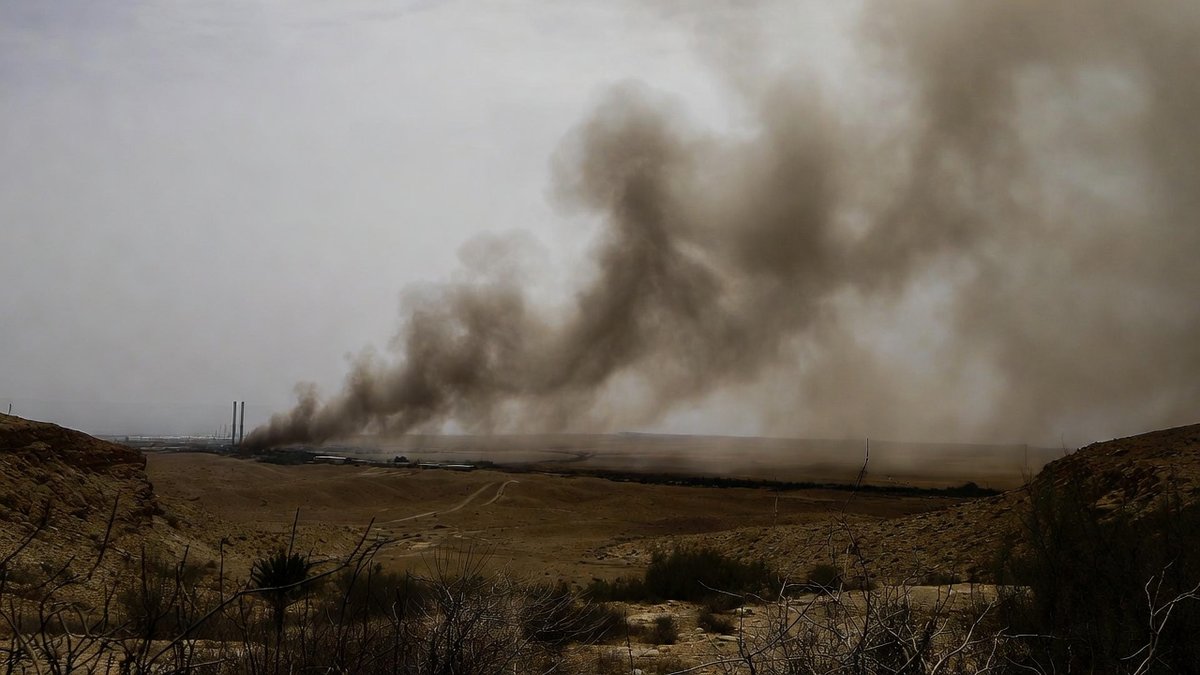
Iranian Missile Strikes Hit Israeli Sites in the Negev Desert Amid Rising TensionsIn the latest escalation between Iran and Israel, Iranian ballistic missiles targeted southern Israel, with impacts reported in the Negev region. While claims of a direct destruction of a major power plant have circulated, reports indicate strikes primarily affected industrial and chemical facilities, with some missiles landing near strategic energy-related infrastructure.Key developments include:A significant fire broke out at the Neot Hovav industrial zone near Beersheba after a missile strike on chemical manufacturing facilities. Emergency teams responded to contain the blaze and monitor for potential hazardous material risks.
Missiles also struck areas near Dimona and Arad in the Negev desert — locations close to sensitive sites including energy infrastructure and the Shimon Peres Negev Nuclear Research Center. Israeli authorities reported injuries from the attacks on residential areas, though no major damage was confirmed at the nuclear facility itself.
Some reports mention attempts or near-misses on power generation assets, highlighting the growing focus on critical infrastructure in this conflict.
This round of strikes comes as part of a broader cycle of retaliation. Iran has signaled its intent to target Israeli strategic assets in response to previous attacks on its own nuclear and energy sites. Israel, in turn, has continued operations against Iranian targets.Implications for Energy SecurityThe Negev region hosts important industrial complexes and energy-related facilities. Disruptions here could affect local power supply, chemical production, and broader supply chains. However, Israeli officials have stated that core energy infrastructure remains operational, with rapid response measures in place.The incidents underscore the vulnerability of critical infrastructure during modern conflicts and raise concerns about potential environmental or humanitarian fallout if strikes intensify.As the situation develops rapidly, both sides continue to exchange threats, with international observers calling for de-escalation to prevent wider regional instability.This event serves as a stark example of how energy and industrial targets are increasingly drawn into geopolitical confrontations.
Comments (0)
Please log in to comment
No comments yet. Be the first!