Travel
"We're Waiting": Iran Dares the US Navy to Enter the Strait of Hormuz — And Reminds America of the Bridgeton
Iran just called America's bluff — and did it with a history lesson. IRGC spokesperson Brigadier General Ali Mohammad Naeini issued a statement on Saturday March 7 — Day 8 of Operation Epic Fury — that cuts to the heart of the most dangerous standoff in the Strait of Hormuz in nearly four decades. Iran, he said, "strongly welcomes the escorting of oil tankers and the claimed presence of US forces to facilitate passage through the Strait of Hormuz." And then the kicker: "in fact, we are waiting for their presence." Before taking such a decision, Naeini recommended, Americans should recall the incident in 1987 when the American supertanker Bridgeton struck a mine and caught fire — as well as the tankers that have been targeted most recently. The message could not have been more deliberate: come in. We are ready.
Trump's Promise vs. The Navy's Private Admission
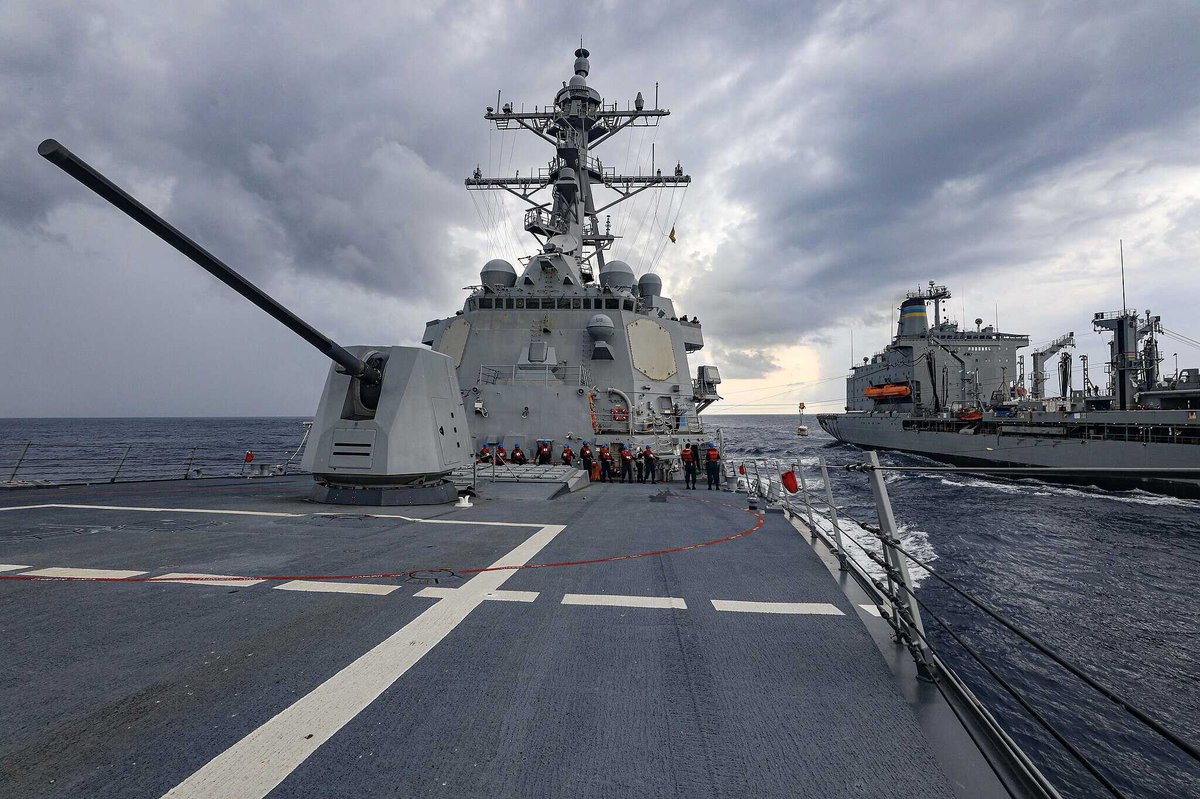
The gap between Donald Trump's public posture and the US Navy's private capabilities has never been more exposed than it is today. On Truth Social earlier this week, Trump declared that the US Navy will begin escorting tankers through the Strait of Hormuz "as soon as possible" — ordering the US Development Finance Corporation to provide political risk insurance for maritime trade and promising that "the United States will ensure the FREE FLOW of ENERGY to the WORLD." It was a characteristically bold statement. It was also, according to a Lloyd's List report citing a briefing between US Navy officials and shipping industry leaders, not currently backed by sufficient naval assets. The US Navy privately told shipping industry leaders it does not have enough vessels available in the region to provide escorts through the Strait of Hormuz — a revelation that directly contradicts Trump's public declarations and has been circulating among maritime executives for days.
As of this week, the United States had nine guided-missile warships deployed to the Arabian Sea along with three Littoral Combat Ships forward deployed to Bahrain. A key question identified by RBC Capital Markets head of global commodity strategy Helima Croft: whether there are enough Navy assets to both escort ships and continue offensive operations against Iran simultaneously. The answer, based on available information, appears to be no — at least not yet.
The Bridgeton Warning: Iran's Very Specific History Lesson
Naeini's reference to the 1987 Bridgeton incident was not accidental. In 1987, during Operation Earnest Will — the US Navy's tanker escort operation during the Iran-Iraq War — the supertanker Bridgeton, sailing under a US flag and accompanied by US Navy warships, struck an Iranian mine in the Strait of Hormuz and caught fire. The incident was deeply embarrassing for the Reagan administration — the mine struck the convoy's largest vessel despite a naval escort — and exposed the limitations of even a well-resourced US Navy escort operation in waters that Iran had laced with naval mines. The IRGC's invocation of Earnest Will is a pointed reminder that Iran has done this before, that it knows how to exploit the strait's geography against a superior naval force, and that US warships entering the strait's narrow two-mile shipping lanes enter one of the most heavily militarised maritime environments on earth.
Iran's current capabilities in the strait are formidable. Al-Monitor reported that the IRGC's fast boats — of which Iran was believed to possess upwards of 3,000 at the start of the conflict — can litter the strait with sea mines that take US Navy minesweeping vessels weeks or longer to clear. Iran still possesses armed drones and anti-ship missiles. The same weapons that Yemen's Houthi rebels used to shut down Red Sea shipping for months proved lethally effective against commercial vessels — Iran's versions are more sophisticated and deployed from coastal positions with superior fire control. US CENTCOM Admiral Brad Cooper confirmed earlier this week that 17 Iranian naval ships had been sunk — but the IRGC's shore-based capabilities remain largely intact.
3,200 Ships Stranded — The Clock Is Ticking
The human and economic stakes of the standoff could not be higher. Clarksons Research estimates approximately 3,200 commercial vessels — representing roughly 4% of global ship tonnage — are currently idle in the Gulf. A further 500 ships are waiting outside the Gulf in ports off the UAE and Oman coast. Iraq has already cut production by 1.5 million barrels per day as it runs out of storage with nowhere to send its oil. JPMorgan's head of global commodities research Natasha Kaneva warned that Gulf countries could exhaust their storage capacity entirely — forcing production shutdowns that would spike Brent crude to $120 per barrel. WTI is already above $86 per barrel — up 28% in a week.
White House Press Secretary Karoline Leavitt confirmed on Wednesday that the administration has no timeline for when the Strait will be safe for commercial shipping again — a statement that, combined with the Navy's private admission about insufficient assets and Iran's Saturday taunt, paints a picture of a crisis with no near-term resolution in sight. The IRGC is waiting. The tankers are anchored. The oil price clock is ticking. And the US Navy has not yet entered the strait.
For the latest updates on the Hormuz crisis and Operation Epic Fury, follow digital8hub.com.
Comments (0)
Please log in to comment
No comments yet. Be the first!