Travel
SpaceX Successfully Launches 6,500 Pounds of Cargo to International Space Station
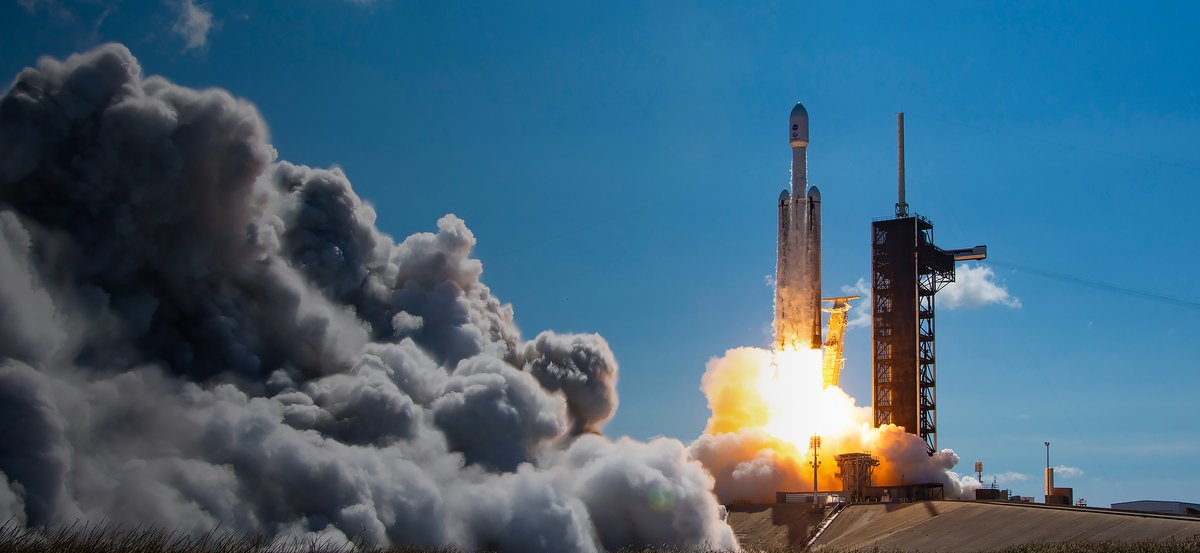
SpaceX has once again demonstrated its reliability as the leading commercial partner for the International Space Station (ISS), successfully launching 6,500 pounds (approximately 2,950 kg) of critical cargo into orbit.The mission, designated CRS-32 (Commercial Resupply Service-32), lifted off from Launch Complex 39A at NASA’s Kennedy Space Center in Florida on May 17, 2026, aboard a Falcon 9 rocket. The Dragon spacecraft separated cleanly from the rocket’s second stage and is now on its way to rendezvous with the orbiting laboratory.Mission HighlightsCargo Breakdown: The Dragon capsule is carrying essential supplies for the Expedition 73 crew, including:Fresh food and crew provisions
Scientific experiments focused on microgravity research, biology, and materials science
Replacement parts and maintenance equipment
New solar array components and technology demonstration hardware
Student-designed experiments from the ISS National Lab
Launch Performance: The Falcon 9 performed flawlessly, with the first stage booster successfully landing on the drone ship “Of Course I Still Love You” in the Atlantic Ocean — marking another milestone in SpaceX’s reusable rocket program.
Dragon Rendezvous: The spacecraft is scheduled to autonomously dock with the ISS on May 19, 2026, where it will remain berthed for approximately one month before returning to Earth with scientific samples and trash.
Significance of the MissionThis delivery is crucial for maintaining continuous operations aboard the ISS. With the station’s permanent crew of seven astronauts and cosmonauts, regular cargo missions ensure they have the supplies, fuel, and equipment needed for long-duration stays in space.SpaceX has become the backbone of ISS logistics since NASA retired the Space Shuttle program in 2011. This is the company’s 32nd contracted cargo mission under NASA’s Commercial Resupply Services (CRS) program.Technical AchievementsThe Dragon spacecraft used on this mission features upgraded solar arrays and improved life support systems. It is capable of returning up to 6,600 pounds of cargo to Earth — one of the highest return capacities of any current cargo vehicle.The successful booster landing further demonstrates the maturity of SpaceX’s reusable technology, significantly reducing launch costs and enabling more frequent missions.Broader ContextThis launch comes at a pivotal time for human spaceflight. As NASA and its partners prepare for the eventual transition away from the ISS (currently planned for 2030), reliable commercial cargo delivery remains essential. SpaceX is also supporting future Artemis missions and developing Starship for deep-space exploration.The increasing cadence of SpaceX missions is helping normalize regular access to low Earth orbit and supporting a growing commercial space economy.What’s Next?After docking, the ISS crew will begin unloading the Dragon. Scientific experiments will be activated quickly, particularly those involving time-sensitive biological samples. The spacecraft will then be loaded with return cargo before undocking and splashing down in the Pacific Ocean.This mission continues SpaceX’s impressive track record of 100% success on crew and cargo missions to the ISS in recent years.
Comments (0)
Please log in to comment
No comments yet. Be the first!