Travel
No Flights Until October: British Airways Just Made Its Harshest Middle East Call Yet
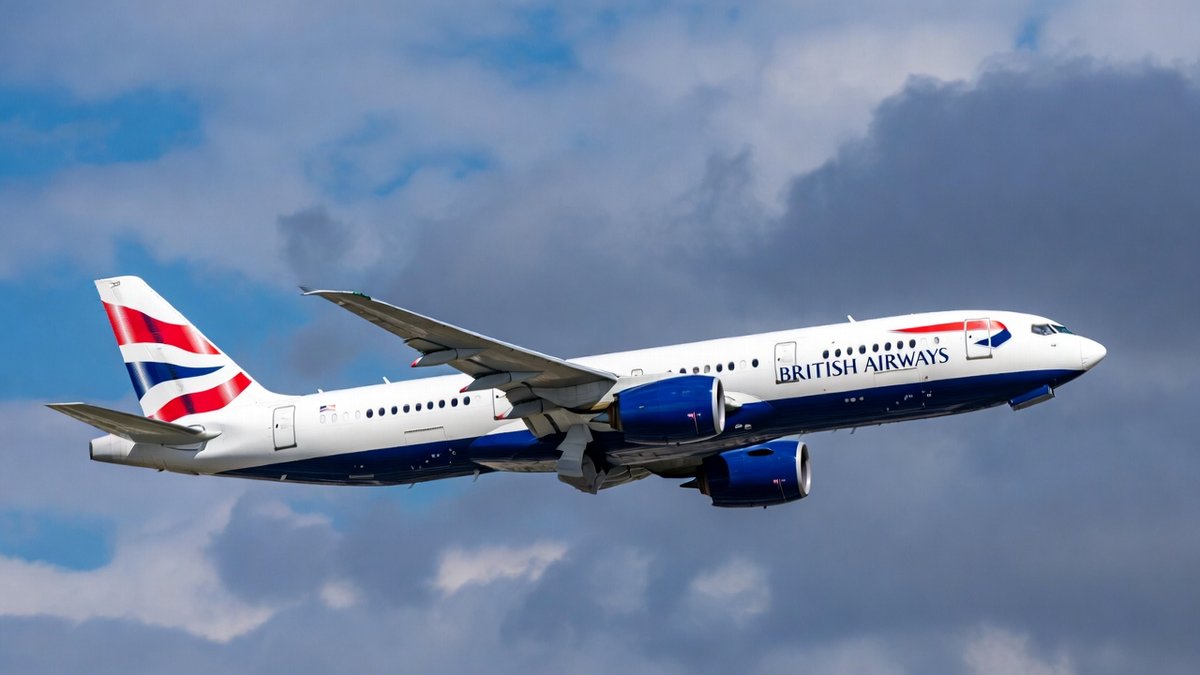
British Airways has made its harshest Middle East call yet. In an update published March 10, the airline confirmed it has cancelled all flights to and from Amman, Bahrain, Doha, Dubai and Tel Aviv until April 16 — and suspended all flights to and from Abu Dhabi until October 2026. The Abu Dhabi suspension is the single most significant commercial decision any major European airline has made since Operation Epic Fury began on February 28 — a signal that British Airways does not expect the UAE's airspace situation to stabilise in weeks. It expects it to take months. For the hundreds of thousands of British passengers who had booked travel to the Gulf, the UAE, Jordan, and Israel for spring and summer 2026, the implications are immediate, significant, and expensive. Here is everything affected passengers need to know — and a full picture of where every other major airline currently stands.
The British Airways Position: What Is Cancelled, What Isn't & What to Do
British Airways' March 10 update establishes three clear tiers of disruption. The first tier — flights to Amman, Bahrain, Doha, Dubai and Tel Aviv — are cancelled until April 16. Passengers booked on these routes cannot purchase new tickets until April 16 at the earliest, and existing bookings through that date have been cancelled. The second tier — flights to Abu Dhabi — are suspended until October 2026. No bookings are being accepted for Abu Dhabi flights for the remainder of the summer schedule. The third tier — flights to Riyadh, Larnaca, and other destinations outside the conflict zone — continue to operate normally. For passengers whose flights have been cancelled, British Airways is offering two options: a full refund via ba.com/managemyBooking, or a fee-free rebooking on any BA-operated flight to the same destination on or before April 30 — with the return flight permitted to fall after April 30. BA can also rebook passengers onto partner airlines including Qatar Airways, Etihad, Air France, Lufthansa, SWISS, Iberia, Austrian Airlines, Brussels Airlines, American Airlines, Cathay Pacific, and Oman Air. Passengers booked to Tel Aviv have an additional option — BA will rebook them to Athens or Larnaca instead, with any onward travel to Tel Aviv at the passenger's own cost.
The Repatriation Window: Muscat, March 11 & 12 Only
For British passengers currently stranded in the UAE or Oman, British Airways is operating its final repatriation flights from Muscat to London Heathrow on March 11 and 12 — with limited seats remaining on both services. Passengers wishing to travel on these flights must contact British Airways directly via its dedicated phone line at +44 203 467 3854 — they cannot book online. After March 12, the Muscat repatriation service will pause due to reduced demand and be kept under continuous review. The window is narrow. Passengers in the UAE or Oman who have not yet secured a seat on these flights should contact BA immediately. The UK Foreign & Commonwealth Office has updated its travel guidance to note that commercial options are available to depart the region — but adds that if your presence in the UAE is not essential, you should consider departing if you can safely access those options.
The Insurance Crisis: War Exclusions Leave Passengers Exposed
One of the most significant and least-discussed consequences of the Middle East aviation collapse is the collapse of travel insurance coverage alongside it. Virtually all standard travel insurance policies contain war exclusion clauses — meaning losses caused by war, armed conflict, or acts of hostility between nations are specifically not covered. The Iran conflict — classified by insurers as an armed international conflict — triggers those exclusions across essentially the entire travel insurance market. Passengers who paid for flights and hotels they can no longer use face the prospect of recovering costs only through airline refund processes — not through insurance claims. The Financial Conduct Authority has not issued emergency guidance on the war exclusion issue. Consumer rights organisations are advising passengers to pursue full refunds from airlines and credit card chargeback rights rather than attempting insurance claims.
The Industry Picture: Every Major Airline Grounded Across the Region
British Airways is not alone. The scale of the Middle East aviation collapse now encompasses virtually every major international carrier. Lufthansa Group — including Lufthansa, SWISS, Austrian Airlines, Brussels Airlines, and ITA Airways — has suspended Dubai and Abu Dhabi until March 10, Amman and Erbil until March 15, Tel Aviv until March 22, Beirut until March 28, and Tehran until April 30. Air France suspended Dubai and Riyadh until March 10 and Tel Aviv and Beirut until March 11. KLM has cancelled Dubai, Dammam, and Riyadh until March 10 and Tel Aviv for the remainder of its winter season. Wizz Air suspended all flights to Israel, Dubai, Abu Dhabi and Amman until March 15. Turkish Airlines cancelled flights to Bahrain, Iran, Iraq, Jordan, Kuwait, Lebanon, Oman, Qatar, Saudi Arabia, Syria and the UAE until March 31. Air Canada suspended Dubai and Tel Aviv until March 23. Garuda Indonesia suspended Doha until further notice. Finnair is operating special evacuation flights from Muscat to Helsinki to repatriate approximately 1,200 stranded passengers from Dubai.
The collective impact of these cancellations on the global aviation industry is staggering. As digital8hub.com has reported, Emirates — the world's biggest long-haul airline — has suspended all flights until further notice. Qatar Airways remains suspended through March 8 and beyond. The Middle East aviation market — which handled more than 400 million passenger movements annually before the conflict — has effectively ceased to function as a commercial aviation hub. British Airways' decision to extend its Abu Dhabi suspension until October is the clearest signal yet from a major European carrier that the industry does not expect a quick resolution. Do not go to the airport without a confirmed booking. Contact your airline directly. And if you have travel insurance, read the war exclusion clause before you file a claim. For the latest travel and aviation updates on the Iran conflict, follow digital8hub.com.
Comments (0)
Please log in to comment
No comments yet. Be the first!