Travel
NATO Jets Patrol UK Skies Amid Russian Submarine Standoff
NATO fighter jets swarming UK skies have sparked intense public interest and international concern after reports confirmed the presence of a Russian submarine escorting a sanctioned oil tanker through the Atlantic Ocean. The high-risk encounter has drawn the attention of military analysts worldwide, as US P-8 Poseidon surveillance aircraft joined the operation, signaling one of the most significant NATO maritime monitoring missions in recent years.
NATO Air Response Raises Alarm
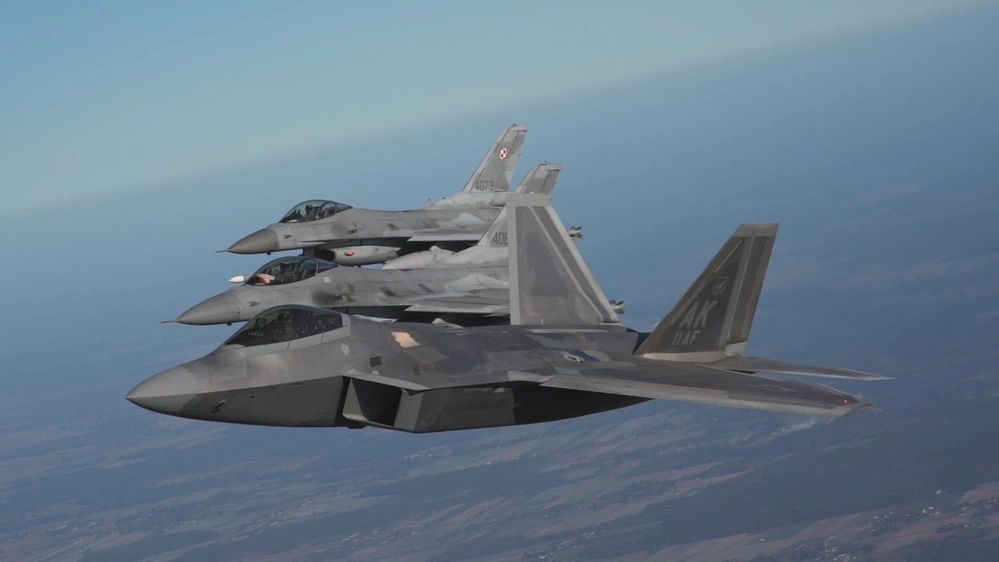
Residents across parts of the United Kingdom reported increased military aircraft activity, including fast-moving fighter jets and low-flying reconnaissance planes. NATO later confirmed that the flights were part of a coordinated response to heightened naval movements linked to Russian military assets operating close to strategic shipping lanes.
The deployment of NATO jets over UK airspace is not routine. Such missions typically occur only when there is credible intelligence suggesting potential threats to maritime security or violations of international sanctions. This time, the focus is a sanctioned Russian oil tanker believed to be transporting crude in defiance of Western economic restrictions.
US P-8 Poseidon: The Submarine Hunter
At the center of the operation is the US Navy’s P-8 Poseidon, a state-of-the-art maritime patrol aircraft specifically designed for anti-submarine warfare. Equipped with advanced radar systems, sonar buoys, and intelligence-gathering technology, the P-8 Poseidon plays a crucial role in detecting and tracking underwater threats.
Military sources suggest the aircraft was monitoring a Russian submarine believed to be escorting the tanker through the Atlantic. Such escorts are highly strategic, as submarines can deter interception attempts and provide intelligence or defensive support if tensions escalate.
Why the Russian Tanker Matters
The tanker involved is reportedly linked to entities under international sanctions imposed following Russia’s ongoing geopolitical conflicts. These sanctions aim to restrict Russia’s ability to export energy resources, a key revenue stream for its military and government operations.
By escorting the tanker with a submarine, Russia appears to be sending a clear message: it intends to protect its economic interests, even under intense international scrutiny. This move significantly raises the stakes, as any confrontation at sea between NATO forces and Russian assets could escalate rapidly.
UK’s Strategic Role in NATO Defense
The United Kingdom remains one of NATO’s most strategically important members, particularly when it comes to North Atlantic security. Its geographic position makes it a natural hub for air and naval operations monitoring movements between Europe, the Arctic, and the Atlantic.
RAF bases across the UK have been instrumental in launching and coordinating NATO jets involved in the patrols. These actions underline Britain’s continued commitment to collective defense and its readiness to respond to emerging threats near its borders.
A Growing Pattern of Tension
This incident is not isolated. Over the past year, NATO has reported an increase in Russian submarine activity near critical undersea infrastructure, including communication cables and energy pipelines. The current Atlantic standoff fits into a broader pattern of military signaling, surveillance, and strategic maneuvering between Russia and Western allies.
Defense experts warn that such encounters, while often controlled, carry inherent risks. Miscommunication or technical failures could quickly turn surveillance operations into dangerous confrontations.
Global Implications for Security and Trade
The Atlantic Ocean is one of the world’s most vital trade corridors. Any military escalation in this region could disrupt global shipping, energy supplies, and economic stability. This is why NATO’s response has been firm but measured—aimed at deterrence rather than provocation.
For businesses, policymakers, and security analysts, understanding these developments is essential. Platforms like digital8hub.com
regularly analyze global security trends, technology, and geopolitical risks, helping readers stay informed in an increasingly complex world.
What Happens Next?
While NATO has not disclosed the full details of the operation, officials emphasize that the mission remains defensive. The goal is to monitor, deter, and ensure compliance with international law—without escalating tensions unnecessarily.
However, as long as sanctioned tankers continue to move under military protection, similar incidents are likely to occur. This situation underscores the fragile balance currently defining relations between NATO and Russia.
Final Thoughts
The sight of NATO jets over UK skies is a powerful reminder that global geopolitics are no longer distant headlines—they are unfolding in real time, close to home. The involvement of advanced aircraft like the US P-8 Poseidon highlights how modern warfare increasingly revolves around intelligence, surveillance, and strategic deterrence.
As the Atlantic standoff continues, the world will be watching closely. Staying informed through reliable digital platforms such as digital8hub.com
is more important than ever, especially as international security dynamics continue to evolve.
Comments (0)
Please log in to comment
No comments yet. Be the first!