Lifestyle
War Widens: US F-15 Down Over Kuwait, Explosions in Dubai & Abu Dhabi, Iran Refuses All Negotiations
The war that started in Tehran on February 28 is now consuming the entire Middle East. On the morning of Monday, March 2, 2026 — Day 3 of Operation Epic Fury — the conflict has expanded dramatically in scale, geography, and complexity. A US fighter jet is down over Kuwait. Major Gulf cities are under missile and drone attack. Hezbollah has entered the war. And Iran's new provisional leadership has delivered a clear message to Washington: there will be no negotiations.
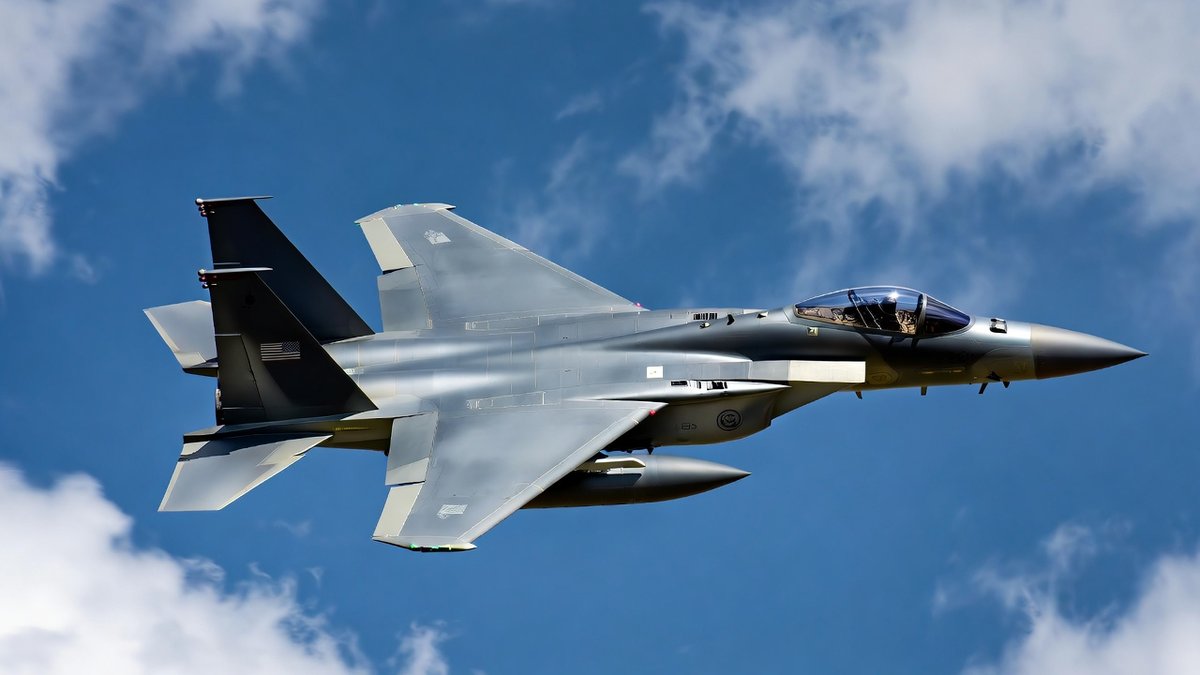
US F-15E Strike Eagle Crashes in Kuwait
A US Air Force F-15E Strike Eagle crashed near Al Jahra in western Kuwait early Monday morning — approximately 32 kilometres west of Kuwait City. The incident sent shockwaves through a region already on maximum alert. Both the pilot and Weapons Systems Officer aboard the aircraft ejected safely and survived, with footage circulating online showing one crew member descending by parachute before being assisted by local Kuwaiti civilians on the ground and transferred to authorities.
The cause of the crash remains officially unconfirmed. US reports initially pointed to a possible friendly fire incident. Iran's state media immediately claimed it had shot down the aircraft. The aircraft — a $50 million dual-role fighter jet — was geolocated by analysts to a spot along Highway 70, approximately 7 kilometres from a US air base in the area. No official statement has been released by US Central Command or Kuwait's Ministry of Defence regarding the cause of the crash.
Kuwait's air defence forces had earlier intercepted several hostile drones approaching the capital, with state media reporting the majority were neutralised as they approached residential areas near Kuwait City. A major oil refinery in Kuwait was hit by falling shrapnel during the interceptions.
Explosions Rock Dubai, Abu Dhabi and Doha
The conflict is no longer contained to military installations and conflict zones. CNN teams on the ground in Dubai, Abu Dhabi, and Doha all reported explosions Monday morning local time. In Doha, a photojournalist filmed what appeared to be missiles being intercepted in the sky above the Qatari capital. In Dubai, two back-to-back blasts were heard alongside jets flying overhead and what appeared to be interceptor fire. Iran has targeted Dubai International Airport, Zayed International Airport, Kuwait International Airport, Erbil International Airport in Iraq, and the Port of Dubai — some of the busiest transit hubs in the world.
Hotel prices across Dubai have collapsed as tourists flee. Dubai and Abu Dhabi stock exchanges have suspended trading. Shipping companies have suspended traffic through the Suez Canal. The economic ripple effects of Iran's expanded targeting strategy are now being felt globally.
Hezbollah Enters the War
The conflict has officially become regional. Hezbollah launched missiles and a swarm of drones targeting an Israeli army base south of Haifa — declaring its action as revenge for the killing of Supreme Leader Khamenei. Israel responded with a series of strikes in Lebanon, including the capital Beirut, targeting senior Hezbollah commanders. The Israeli military has warned that a ground offensive in Lebanon could follow, with no immunity granted to any Hezbollah members. Iran's most powerful proxy is now fully in the war — adding a new and dangerous front to an already overwhelming operational picture for Israel and the US.
Iran's New Leadership: No Negotiations
Following the killing of Ayatollah Khamenei and multiple senior IRGC commanders, Iran formed a Provisional Leadership Council led by President Masoud Pezeshkian to govern the country until a new Supreme Leader is elected. The Council's first major act was unambiguous. Ali Larijani, Secretary of Iran's Supreme National Security Council, stated flatly that Iran would not hold any negotiations with the United States. Not now. Not under these conditions.
Trump had suggested on Sunday that Iran wanted to talk. Larijani's statement was a direct, public contradiction of that claim — and a signal that despite losing Khamenei and a reported 48 senior leaders, Iran's new provisional government intends to fight on.
Three US Service Members Killed
President Trump acknowledged on Monday that US forces have suffered casualties. Three US service members have been confirmed killed in Kuwait as Iranian strikes continue to target Gulf-based US installations. Trump warned there could be more casualties ahead as the operation enters its third day.
UK Joins the Coalition
Britain has formally entered the conflict on the side of the US-Israel coalition. UK Prime Minister Keir Starmer confirmed British jets are in the air conducting defensive interception operations against Iranian strikes — and has granted the United States permission to use British bases, including the base at Akrotiri in Cyprus, for offensive strikes targeting Iranian missile storage depots and launch sites. A suspected Iranian drone struck the British military base at Akrotiri overnight — Britain's first direct military engagement in the conflict.
The war that began as a joint US-Israel operation against Iran's nuclear programme and leadership has become something far larger. Dubai is under attack. A US jet is down. Hezbollah is fighting. Britain is in. And Iran is not negotiating.
For the latest updates on the Iran conflict, follow digital8hub.com.
Comments (0)
Please log in to comment
No comments yet. Be the first!