Lifestyle
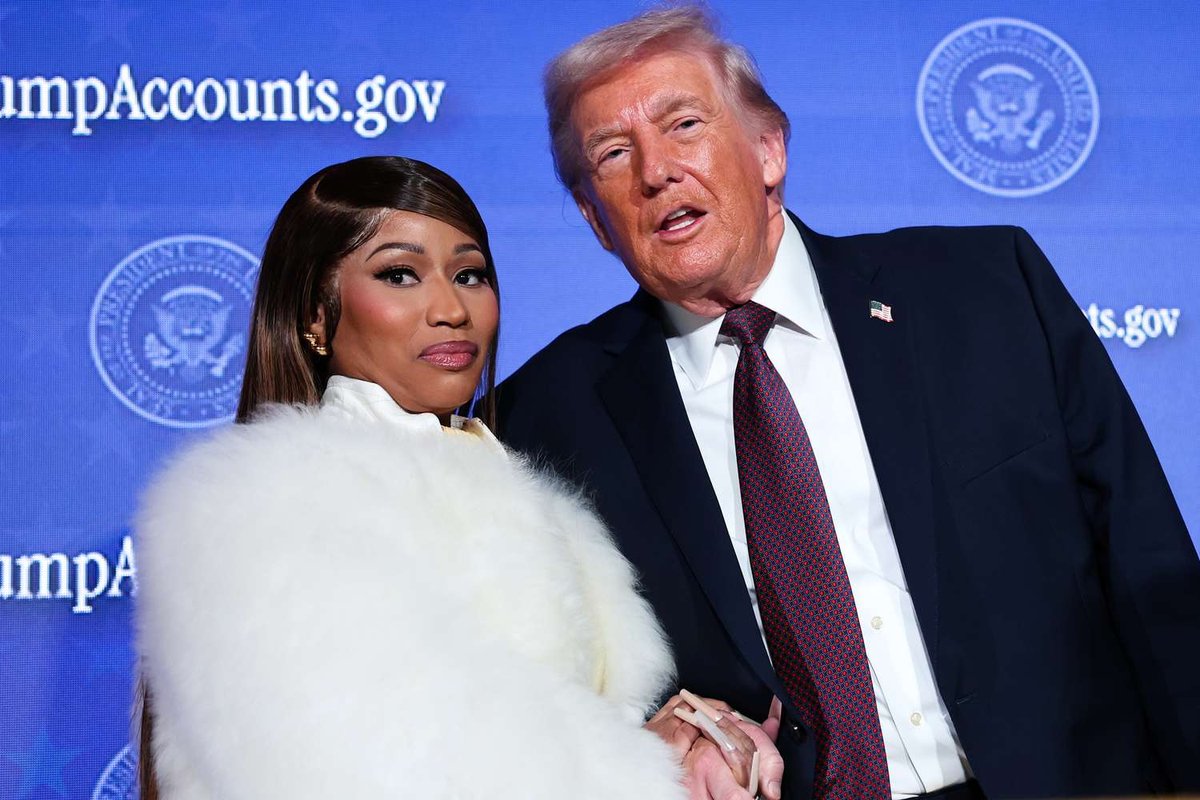
The Truth Behind Trump's Alleged $1 Million Gold Card Gift to Nicki Minaj
In the age of viral social media posts and instant news cycles, distinguishing fact from fiction has become increasingly challenging. Recently, a sensational claim surfaced online suggesting that former President Donald Trump gifted rap superstar Nicki Minaj a $1 million gold Visa card. The story spread like wildfire across social media platforms, generating millions of impressions and sparking heated debates. But did this actually happen?
Digital8Hub.com investigates this viral claim to uncover the truth behind the headlines.
The Viral Claim: What's Being Said
The allegation first emerged on social media platforms, with posts claiming that Donald Trump presented Nicki Minaj with an exclusive $1 million gold Visa card as a gift or token of appreciation. Some versions of the story suggested this was related to political endorsements, while others framed it as a gesture of mutual respect between two high-profile figures.
Screenshots, manipulated images, and sensationalized headlines fueled the narrative, with many users sharing the story without verification. Within hours, the claim had accumulated thousands of shares, comments, and reactions across X (formerly Twitter), Facebook, Instagram, and TikTok.
Fact-Checking the Gold Card Story
After thorough investigation and consultation with credible sources, Digital8Hub.com can confirm: There is no verified evidence that Donald Trump gave Nicki Minaj a $1 million gold Visa card.
Here's what we found:
No Official Announcements: Neither Donald Trump's official communications team nor Nicki Minaj's representatives have confirmed or even addressed this claim. Major celebrity gift announcements typically come with official statements, photo opportunities, or social media posts from the parties involved.
No Credible News Coverage: Reputable news organizations including Reuters, Associated Press, CNN, Bloomberg, and entertainment outlets like TMZ and Billboard have not reported on this story. When high-profile celebrity transactions occur, legitimate news sources investigate and verify before publishing.
Social Media Origins: The claim appears to have originated from unverified social media accounts known for posting sensationalized or fabricated celebrity content. These accounts often generate engagement through shocking headlines without factual basis.
Image Analysis: Many posts sharing this claim used either digitally manipulated images or stock photos that have been debunked by fact-checking organizations.
Why False Celebrity Stories Go Viral
Understanding how and why misinformation spreads is crucial in today's digital landscape. Several factors contribute to viral false narratives:
Emotional Engagement: Stories involving celebrities and political figures trigger strong emotional responses, making people more likely to share without verification. The combination of Trump and Nicki Minaj—two polarizing public figures—creates perfect conditions for viral spread.
Confirmation Bias: People tend to believe and share information that confirms their existing beliefs about public figures, regardless of factual accuracy.
Algorithm Amplification: Social media algorithms prioritize engagement over accuracy, meaning sensational (often false) content receives more visibility than factual corrections.
Speed Over Accuracy: In the race to be first, many users share content immediately without taking time to verify sources or check for credible reporting.
Visual Manipulation: Fake screenshots, edited images, and convincing graphics make false claims appear legitimate, especially to users scrolling quickly through feeds.
According to digital media experts featured on Digital8Hub.com, the 2025 information landscape requires heightened critical thinking skills and source verification practices.
Nicki Minaj and Donald Trump: The Real Relationship
While the gold card story is fabricated, examining the actual relationship between these two figures provides context:
Limited Public Interaction: There is no substantial documented history of close personal or professional relationship between Donald Trump and Nicki Minaj.
Political Positions: Nicki Minaj has not publicly endorsed Donald Trump for political office, and her political commentary has generally focused on issues rather than candidates.
Social Media Exchanges: Any interactions between the two on social media have been minimal and do not suggest the type of relationship that would involve million-dollar gifts.
Different Spheres: Trump operates primarily in political and business circles, while Minaj's domain is music and entertainment, with limited overlap in their professional networks.
The Dangers of Celebrity Misinformation
False stories about celebrities might seem harmless, but they carry real consequences:
Reputation Damage: Fabricated stories can harm the reputations of those involved, creating false associations and narratives that are difficult to correct.
Erosion of Trust: When misinformation spreads unchecked, it erodes public trust in all media sources, making it harder for people to identify legitimate news.
Financial Scams: False celebrity stories are often used as hooks for financial scams, phishing attempts, and fraudulent schemes targeting vulnerable users.
Political Manipulation: Celebrity misinformation can be weaponized for political purposes, attempting to create associations or endorsements that don't exist.
Media Literacy Crisis: The proliferation of fake celebrity news contributes to declining media literacy and critical thinking skills among social media users.
How to Verify Celebrity News Claims
Digital8Hub.com recommends these verification steps before sharing celebrity-related news:
1. Check Official Sources: Visit verified social media accounts, official websites, and representatives' statements before believing claims about celebrities.
2. Look for Credible Reporting: Confirm whether established news organizations with editorial standards have covered the story.
3. Reverse Image Search: Use Google's reverse image search to verify whether photos or screenshots have been manipulated or used in different contexts.
4. Examine the Source: Investigate who originally posted the claim. Are they credible? Do they have a history of accurate reporting?
5. Check Fact-Checking Websites: Sites like Snopes, FactCheck.org, and PolitiFact regularly debunk viral false claims.
6. Look for Multiple Sources: If only one source reports a major story, it's likely unverified or false.
7. Be Skeptical of Sensationalism: If a headline seems designed purely to shock or outrage, approach it with extra caution.
The Psychology of Wanting to Believe
Why do people want to believe sensational stories, even when evidence is lacking? Psychological research offers insights:
Entertainment Value: Celebrity gossip provides entertainment and escapism, making people less critical of accuracy when a story is engaging.
Tribal Identity: Stories that align with political or cultural identities feel "truthy" even without verification.
Simplification: Complex political and social realities are easier to process when reduced to simple narratives about individual actions.
Sharing as Social Currency: Being first to share "breaking news" provides social status in online communities, incentivizing speed over accuracy.
Real Celebrity-Political Interactions
While the Trump-Minaj gold card story is false, legitimate celebrity-political interactions do occur:
Campaign Donations: Celebrities frequently contribute to political campaigns through legal, documented channels.
Public Endorsements: Many celebrities publicly endorse candidates through official statements and appearances.
Fundraising Events: High-profile fundraisers bring together celebrities and politicians in documented, publicized events.
Policy Advocacy: Celebrities often advocate for specific policies and work with politicians on shared causes.
These real interactions are documented, transparent, and reported by credible news organizations—unlike fabricated viral claims.
Conclusion: Critical Thinking in the Digital Age
The false claim about Donald Trump gifting Nicki Minaj a $1 million gold Visa card serves as a reminder of the importance of media literacy and source verification in 2025. As Digital8Hub.com consistently emphasizes, not everything that goes viral is true, and sensational headlines often mask fabricated content.
Before sharing celebrity news, take a moment to verify sources, check for credible reporting, and consider whether the claim passes basic logical scrutiny. In an era where misinformation spreads faster than truth, individual responsibility for information verification has never been more critical.
The next time you encounter a shocking celebrity claim, remember this case study and ask yourself: Is this verified by credible sources, or is it just another viral fabrication designed to generate clicks and engagement?
Comments (0)
Please log in to comment
No comments yet. Be the first!