Lifestyle
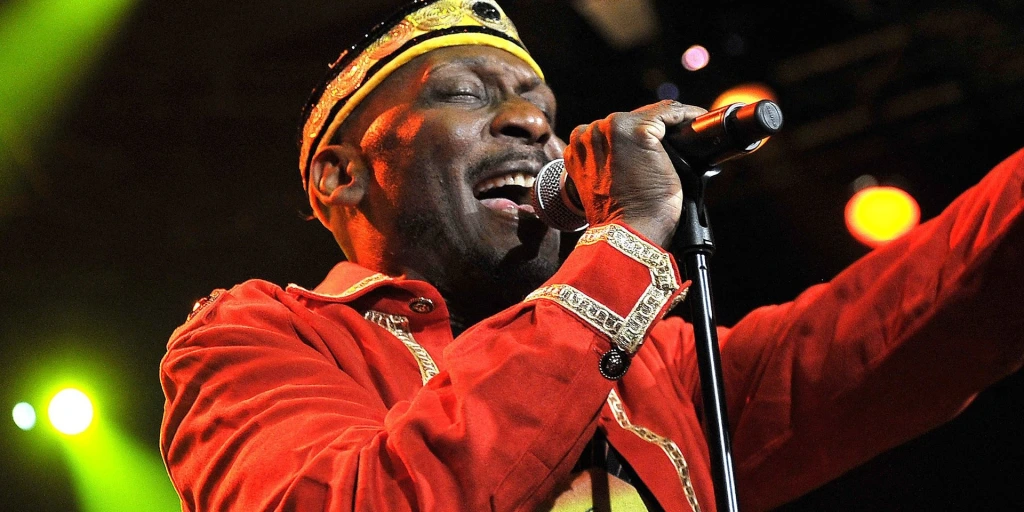
Jimmy Cliff: The Reggae Pioneer Who Brought Jamaica's Heart to the World Passes at 81
Jimmy Cliff: The Reggae Pioneer Who Brought Jamaica's Heart to the World Passes at 81
The music world mourns the loss of a true cultural icon. Jimmy Cliff, the charismatic reggae pioneer whose infectious optimism and revolutionary spirit helped transform Jamaican music into a global phenomenon, has died at 81. His wife, Latifa Chambers, confirmed that he passed away following a seizure and subsequent pneumonia, marking the end of an extraordinary six-decade career that changed the landscape of popular music forever.
Born James Chambers on July 30, 1944, during a hurricane that destroyed his family home in Somerton, Jamaica, Cliff's life began with the kind of dramatic intensity that would characterize his music and his legacy. From those humble, storm-ravaged beginnings emerged one of reggae's most influential ambassadors—a man whose voice, vision, and unwavering belief in the power of music to inspire change resonated across continents and generations.
## From Kingston Streets to Global Stages: The Making of a Legend
Jimmy Cliff's journey from poverty to international stardom reads like the script of a classic film—which, in many ways, it became. At just 14 years old, the young James Chambers moved to Kingston with dreams bigger than the island itself. Armed with little more than his remarkable voice and unshakeable determination, he pounded the pavement, seeking out producers and entering talent contests with relentless persistence.
His breakthrough came in an almost cinematic moment. Walking past a record store and restaurant one evening, the teenage Cliff pushed his way inside just as they were closing and convinced owner Leslie Kong to enter the recording business—with Cliff as his first artist. It was a bold move that paid off spectacularly when his single reached Jamaican charts while he was still just 17 years old.
This early success established a pattern that would define Cliff's entire career: an unwillingness to accept closed doors, a talent for seeing possibilities others missed, and an ability to forge his own path in an industry that didn't yet know what to make of Jamaican music.
## The Harder They Come: A Film That Changed Everything
While Cliff had already achieved significant success by the early 1970s, it was his starring role in the 1972 film "The Harder They Come" that catapulted both him and reggae music into the international spotlight. The gritty crime drama, directed by Perry Henzell, told the story of Ivanhoe "Ivan" Martin, an aspiring reggae musician who turns to crime when the music industry's corrupt practices crush his dreams.
The parallels to Cliff's own experiences growing up in poverty and navigating the challenging Kingston music scene gave his performance an authenticity that resonated powerfully with audiences worldwide. The film's soundtrack became one of the bestselling reggae albums of all time and was eventually inducted into the National Recording Registry by the Library of Congress, recognized as culturally and historically significant to American music heritage.
The soundtrack featured four of Cliff's songs, including the defiant title track with its unforgettable declaration of resilience against all odds. These weren't just songs—they were anthems of survival, resistance, and hope that spoke to people fighting their own battles across the world. The film introduced international audiences to Jamaica beyond tourist postcards, showing the island's real struggles, creativity, and indomitable spirit.
## A Voice That Crossed Every River
Among Cliff's vast catalog of hits, few songs capture his artistry as powerfully as "Many Rivers to Cross." Written after experiencing racism in England during the 1960s, the gospel-tinged meditation on perseverance became one of his signature songs. The emotional depth of his performance transformed personal frustration into universal testimony about the human capacity to endure.
"It was a very frustrating time. I came to England with very big hopes, and I saw my hopes fading," Cliff recalled years later. That vulnerability and honesty—his willingness to channel pain into art—made his music resonate across cultural boundaries.
His other classics told similarly powerful stories. Bob Dylan declared Cliff's song "Vietnam" the "best protest song ever written," recognizing the track's unflinching examination of war's human cost. "Wonderful World, Beautiful People" offered an antidote to cynicism with its celebration of simple joys and human connection. "You Can Get It If You Really Want" became an anthem of determination, its message of persistence through adversity adopted by movements as diverse as Nicaragua's Sandinistas and countless individuals fighting their own battles.
These weren't just catchy reggae tunes—they were messages of empowerment delivered with Cliff's distinctive spirited tenor and gift for memorable phrases that lodged themselves in listeners' hearts and minds.
## Breaking Boundaries: The Innovator's Path
What set Jimmy Cliff apart from many of his contemporaries was his fearless willingness to experiment and expand reggae's boundaries. While others stayed within traditional forms, Cliff incorporated elements of folk, soul, rock, and R&B into his music, creating a sound that was unmistakably reggae yet accessible to diverse audiences.
This musical open-mindedness sometimes confused critics who didn't know how to categorize his work. In the late 1960s, when most reggae was dismissed by mainstream critics, Cliff was releasing thoughtful, well-rounded albums that acknowledged musical environments beyond Kingston. His albums featured sophisticated production and songwriting that challenged prevailing assumptions about what reggae could be.
Throughout his career, Cliff collaborated with an impressive array of international artists. He provided backing vocals on The Rolling Stones' 1986 album "Dirty Work," worked with Annie Lennox and Sting on his 2002 album "Fantastic Plastic People," and sang with Elvis Costello on the energetic "Seven Day Weekend." Bruce Springsteen performed show-stopping versions of Cliff's songs during his tours, while artists from UB40 to Cher covered his compositions, taking them to new audiences.
This cross-pollination enriched both reggae and popular music more broadly, demonstrating that musical genres need not be isolated islands but could be bridges for cultural exchange.
## A Career of Milestones and Recognition
Jimmy Cliff's contributions to music earned him virtually every honor the industry could bestow. He won Grammy Awards for Best Reggae Album twice—first in 1986 for "Cliff Hanger" and again in 2013 for "Rebirth," an album widely regarded as his finest work in years and appropriately titled for an artist who continually reinvented himself.
In 2010, he was inducted into the Rock and Roll Hall of Fame, with Wyclef Jean declaring during the induction ceremony: "When we saw Jimmy Cliff, we saw ourselves." That simple statement captured Cliff's significance—he gave voice and visibility to people from "the ghetto" and rural areas worldwide, showing that their stories and struggles mattered.
Jamaica honored him with the Order of Merit, and in 2019, the government renamed Montego Bay's popular roadway Jimmy Cliff Boulevard in recognition of his cultural contributions. In 2021, Jamaican officials presented him with an official passport designating him as a Reggae Ambassador, formally acknowledging what the world already knew—he had been spreading Jamaica's cultural message for decades.
## The Man Behind the Music
Beyond the hits and accolades, Cliff was known for his integrity, social consciousness, and spiritual depth. He converted to Islam, taking the name El Hadj Naïm Bachir, though he remained respectful of all faiths and focused his message on universal values of justice, compassion, and human dignity.
His music consistently addressed social issues—poverty, inequality, war, and systemic injustice—but always balanced critique with hope. Even his protest songs maintained an underlying optimism, a belief that positive change was possible if people stood together and refused to give up.
Cliff remained creatively active well into his later years. His 2012 album "Rebirth" marked a artistic resurgence, produced with Tim Armstrong of Rancid and earning critical acclaim for recapturing the energy of his 1970s glory days. His final album, "Refugees," released in 2022, demonstrated his continued engagement with contemporary issues and his commitment to using music as a vehicle for important messages.
Just four years ago, he released his last single, "Human Touch," a reminder that even in an increasingly digital world, the fundamental need for human connection remains constant.
## A Legacy That Transcends Generations
Jamaica's Prime Minister Andrew Holness captured the nation's grief perfectly, calling Cliff "a true cultural giant whose music carried the heart of our nation to the world." But Cliff's impact extended far beyond Jamaica's shores. He helped establish reggae as a major force in global popular music, paving the way for countless artists who followed.
While Bob Marley is often credited as reggae's biggest star, Cliff was instrumental in opening doors that made Marley's success possible. In fact, early in his career, Cliff worked as an A&R person for Beverley's Records and was responsible for giving Bob Marley one of his first recording opportunities. The two shared revolutionary aspirations and mutual respect, though their careers took different trajectories.
Cliff's influence can be heard in genres far beyond reggae. Hip-hop artists sampled his work, rock musicians covered his songs, and pop stars drew inspiration from his melodies and messages. His ability to communicate hope, resilience, and social consciousness through infectious, accessible music created a template that countless artists have followed.
## The Sound of Optimism in Difficult Times
In an era often characterized by cynicism and division, Jimmy Cliff's music offered something increasingly rare: genuine optimism grounded in real struggle. He never sugarcoated the challenges people faced, but he also never stopped believing in humanity's capacity to overcome them.
His cover of Johnny Nash's "I Can See Clearly Now," which became a hit for the soundtrack to "Cool Runnings" in 1993, perfectly encapsulated this worldview. The song acknowledged obstacles while celebrating the clarity that comes after storms pass—a metaphor that applied to Cliff's entire life and career, from his birth during a hurricane to his rise from poverty to international acclaim.
This ability to acknowledge pain while maintaining hope made Cliff's music particularly powerful. It didn't offer easy answers or false promises, but rather a hard-earned wisdom that inspired listeners to keep pushing forward through their own struggles.
## Crossing Over: The Final River
Cliff's wife and children wrote in their announcement: "To all his fans around the world, please know that your support was his strength throughout his whole career. He really appreciated each and every fan for their love." That gratitude and connection with audiences defined his relationship with the world—a genuine appreciation for the people who embraced his music and message.
In 2020, discussing the passing of his friend Toots Hibbert, Cliff shared his perspective on death: "From our religious background, our concept of when someone cross over — we don't say they 'pass away,' we say 'cross over,' they just go to the other side of existence, there's no such thing as death." Now Jimmy Cliff himself has crossed over, leaving behind a musical legacy that will continue to vibrate through generations.
## Conclusion: Walk Good, Legend
"Walk good, Jimmy Cliff," Prime Minister Holness said in his tribute, using the Jamaican phrase that means much more than goodbye—it's a blessing for a safe and peaceful journey. As the world processes this tremendous loss, we can take comfort in knowing that Cliff's music, message, and spirit will continue to inspire, uplift, and empower people for generations to come.
From a boy born in a hurricane to a man who weathered every storm life threw at him, Jimmy Cliff proved that you really can get it if you really want—if you're willing to work, persevere, and maintain faith in yourself and your vision. His rivers have been crossed, his harder days have come, and now he rests, secure in the knowledge that his contribution to music, culture, and human consciousness will endure.
The world has lost a musical giant, but heaven has gained one hell of a singer. And somewhere, you can bet, people are gathering to hear him perform, because that's what Jimmy Cliff did—he brought people together through the universal language of music, reminding us all that we share one wonderful world, and it's all the more beautiful because he was in it.
---
*Rest in power, Jimmy Cliff. Thank you for the music, the message, and the inspiration. Your legacy lives on in every heart you touched and every voice you empowered to sing.*
Comments (0)
Please log in to comment
No comments yet. Be the first!