Lifestyle
Inside Geneva: The Five Nuclear Demands the US Just Put on the Table — And Why Iran Is Pushing Back
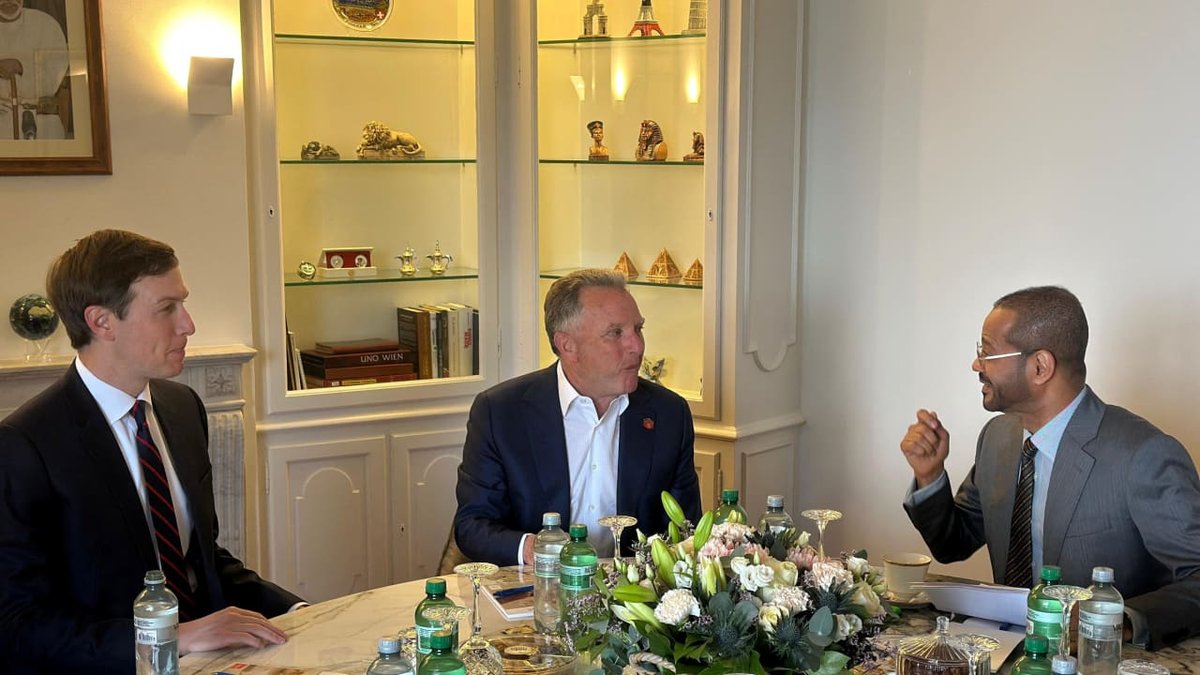
The stakes could not be higher. In a heavily guarded conference room in Geneva, Switzerland, US and Iranian negotiators are locked in what many are calling the last real chance for diplomacy before a military confrontation becomes inevitable. America has gathered a fleet of aircraft and warships to the Middle East to pressure Tehran into a deal FilmoGaz, while Iran's foreign minister has warned that any attack would drag the entire region into a devastating war. This is the third round of indirect nuclear talks — and the US has just put its most demanding proposal yet on the table.
Here is a full breakdown of every demand, what it means, and how Iran is responding.
Demand 1: Destroy All Three Nuclear Sites — Fordow, Natanz & Isfahan
The most explosive demand on the list. The US is calling for the complete dismantling of Iran's three main nuclear sites — Fordow, Natanz, and Isfahan. Samsung These are not peripheral facilities. They are the backbone of Iran's entire nuclear program. Fordow is built deep into a mountain and considered virtually bomb-proof. Natanz is Iran's primary enrichment facility. Isfahan houses key uranium conversion operations.
Asking Iran to destroy all three in one deal is, by any diplomatic standard, an extraordinary ask. It goes further than anything demanded under the 2015 JCPOA, which allowed Iran to maintain limited enrichment at Natanz. Tehran's reaction has been predictably resistant — Iran has previously rejected the US demand that it halt enrichment inside its territory, saying it's needed for energy production. CGMagazine
Demand 2: Hand Over All Enriched Uranium to the US
The second demand compounds the first. Not only must Iran destroy its facilities — it must surrender every gram of enriched uranium it currently holds, handing it directly to the United States. Before the June attack, Iran had been enriching uranium up to 60% purity — a short, technical step away from weapons-grade levels of 90%. FilmoGaz The volume of enriched material Iran holds represents years of work and significant strategic leverage. Giving it up entirely, to its chief adversary no less, is a demand that strikes at the core of Iran's national pride and security posture.
Demand 3: No Sunset Clauses
This is perhaps the most diplomatically significant demand of all. The 2015 nuclear deal was undermined — in the eyes of its critics — by sunset clauses that allowed key restrictions to expire after a fixed number of years. The Trump administration is demanding that any new deal have no expiry date. Permanent, not temporary, constraints on Iran's nuclear capability. Iran's foreign minister Abbas Araghchi has said a "fair, balanced and equitable deal" was within reach, while also insisting that Iran was "entitled to use nuclear energy for peaceful purposes." CGMagazine A permanent ban with no sunset clause directly contradicts that position.
Demand 4: Zero Enrichment — With One Exception
The US is demanding that Iran cease all uranium enrichment activity entirely. Zero enrichment. The only carve-out being offered is the Tehran Research Reactor — a facility that produces medical isotopes for cancer treatment and other civilian healthcare uses. The United States is ready to agree to restart the reactor in Tehran for medical purposes. Samsung Iran has signalled some flexibility here — Iran has offered to limit the threshold of enrichment to as low as 1.5% Samsung — but stopping enrichment altogether remains a red line for Tehran, which insists its nuclear program is peaceful and sovereign.
Demand 5: Minimal Sanctions Relief Upfront — More If Compliant
The final demand is the economic one, and it may be the most painful for an Iranian government already facing enormous domestic pressure. Rather than offering broad sanctions relief as an immediate incentive, the US is proposing minimal upfront relief with more to follow only if Iran demonstrates compliance over time. Trump sees an opportunity while Iran is struggling at home with growing dissent following nationwide protests last month. FilmoGaz Tehran needs economic relief urgently — but the US is making them earn it incrementally rather than collecting it at the start.
Iran's Position: Flexibility With Hard Limits
Iran hasn't walked away. That itself is significant. Tehran says that "important" and "practical" proposals were advanced during negotiations, with talks suspended temporarily for both delegations to consult their governments before resuming later Thursday. Samsung Iran's Foreign Minister Araghchi has said the proposal he brought to Geneva contains elements that accommodate both sides' concerns and interests. CGMagazine But Iran's hard limits are clear — it will not surrender its right to enrich uranium, and it refuses to discuss its ballistic missile program at all.
What Happens If Talks Fail?
"The principle's very simple: Iran cannot have a nuclear weapon," US Vice President JD Vance told reporters. "The president has other options as well," he added — a barely veiled reference to military action. FilmoGaz Iran has been equally blunt. Iranian Foreign Minister Araghchi warned that "since the Americans' bases are scattered through different places in the region, the whole region would be engaged and involved — it is a very terrible scenario." FilmoGaz
The world is watching Geneva very closely. A deal would reshape the Middle East. A breakdown could ignite it.
Comments (0)
Please log in to comment
No comments yet. Be the first!