Lifestyle
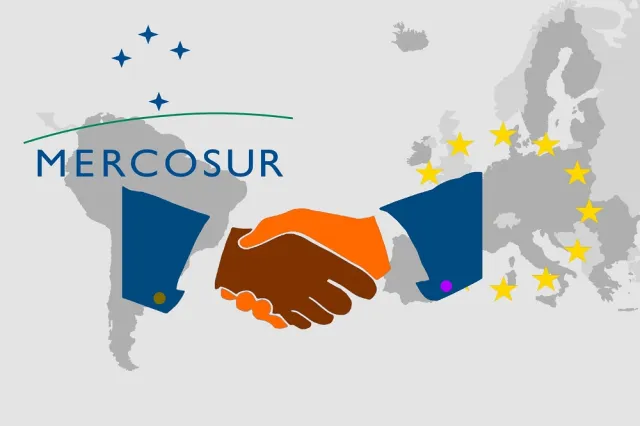
EU and Mercosur Create Massive Free-Trade Zone Covering Nearly 700 Million People
EU-Mercosur Trade Deal: 25 Years of Talks Culminate in Historic AgreementOn January 9, 2026, the European Union and the Mercosur bloc (Brazil, Argentina, Paraguay, and Uruguay) finally concluded a comprehensive free trade agreement after more than two and a half decades of negotiations. The deal, first initiated in 1999, creates one of the largest economic zones in the world—covering roughly 780 million consumers and approximately 25% of global GDP.European Commission President Ursula von der Leyen called it "a landmark moment for global trade, sustainability, and strategic autonomy." The agreement eliminates tariffs on 91% of EU exports to Mercosur and 92% of Mercosur exports to the EU, with phased implementation over 10–18 years for sensitive sectors.Key Provisions of the EU-Mercosur Trade DealTariff Elimination: Immediate removal of duties on industrial goods (cars, machinery, pharmaceuticals, chemicals) and most agricultural products. Sensitive items like beef, poultry, ethanol, and sugar will see gradual liberalization with quotas and safeguards.
Market Access: EU gains better access to Mercosur's 270 million consumers for machinery, vehicles, wine, cheese, chocolate, and olive oil. Mercosur secures duty-free access for beef (up to 99,000 tonnes/year), poultry, ethanol, and orange juice.
Sustainability Commitments: Legally binding chapter requiring both sides to uphold Paris Agreement goals, combat deforestation, and enforce labor and environmental standards. EU can impose penalties (including tariffs) for violations.
Investment Protection: Modern investor-state dispute settlement mechanism with public hearings and appeals.
Geographical Indications: Protection for 350+ EU products (e.g., Champagne, Parmesan) in Mercosur.
The deal also includes chapters on digital trade, government procurement, competition, and small/medium enterprises.Economic Impact and BenefitsFor the EU:Potential €4 billion annual export increase.
Lower prices for consumers on coffee, soy, beef, and tropical fruits.
Stronger supply chain resilience for raw materials.
For Mercosur:Access to EU's 450 million consumers.
Boost for agribusiness, manufacturing, and services.
Modernization incentives for environmental and labor standards.
The agreement is expected to add 0.1–0.3% to annual GDP growth in both regions over the long term.Political Reactions and Path ForwardThe deal faced intense opposition from French farmers and environmental groups over deforestation risks in the Amazon. France and several EU nations demanded stronger safeguards, which were included in the final text.Brazilian President Luiz Inácio Lula da Silva called it "a victory for multilateralism," while Argentine President Javier Milei praised it as "a step toward economic freedom."The agreement now enters a legal scrubbing and translation phase (expected 6–12 months), followed by ratification by the European Parliament, EU member states, and Mercosur parliaments. Full implementation is projected for 2027–2028.After 25 years of twists—including suspensions, political changes, and environmental concerns—the EU-Mercosur deal stands as one of the most significant trade pacts of the 21st century.For ongoing updates on the ratification process and sector-specific impacts, follow digital8hub.com.
Comments (0)
Please log in to comment
No comments yet. Be the first!