Lifestyle
Breaking Down Iran's "Full-Scale War" Declaration: What Pezeshkian's Statement Really Means for US Relations
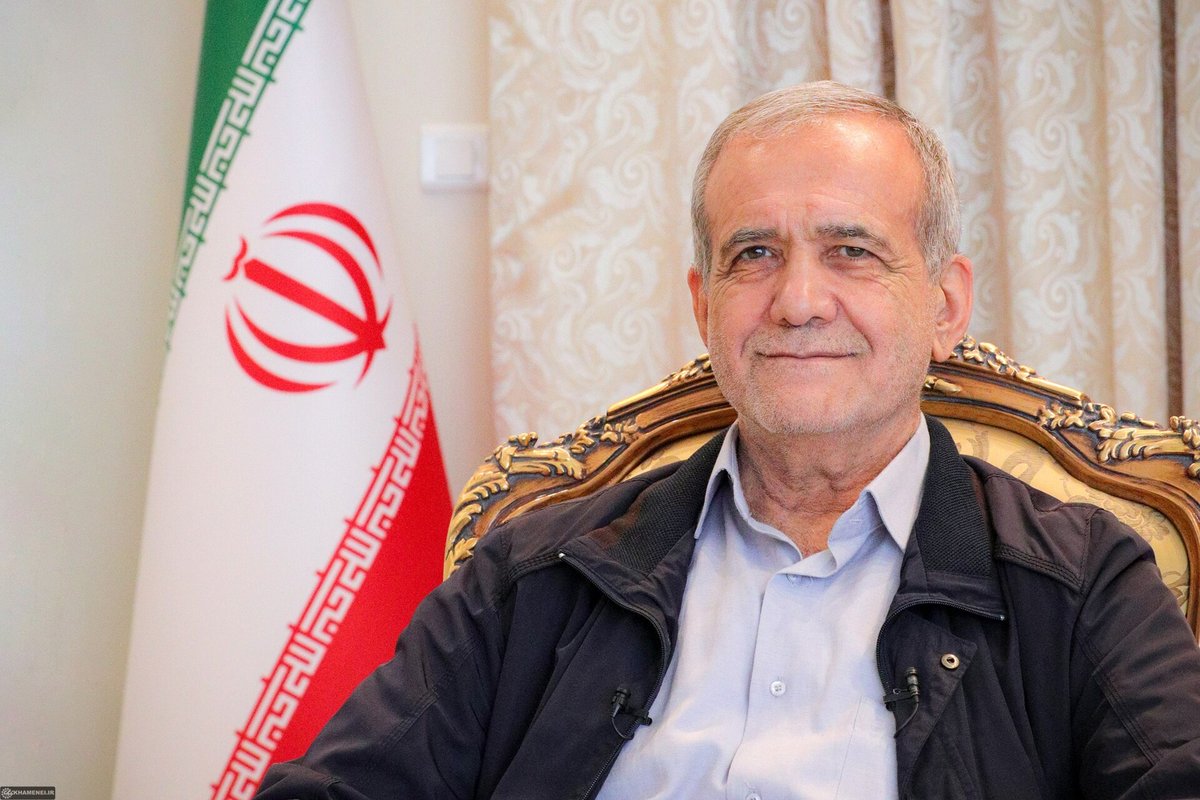
Iranian President Masoud Pezeshkian sent shockwaves through international headlines this weekend with declarations that Iran is engaged in a full-scale confrontation with the United States, Israel, and Europe. The inflammatory rhetoric, published in an interview on the official website of Supreme Leader Ayatollah Ali Khamenei on Saturday, has raised urgent questions about whether Iran has actually declared war and what this means for already volatile Middle East tensions.
Understanding What Was Actually Said
In the interview published December 28, 2025, Pezeshkian stated unequivocally that Iran views itself as being under comprehensive assault from Western powers. His exact words paint a picture of a nation under siege from multiple fronts, facing pressures that extend far beyond conventional military conflict.
The Iranian president drew a stark comparison between the current situation and the brutal Iran-Iraq War of the 1980s, which lasted eight years and resulted in hundreds of thousands of casualties. According to Pezeshkian, the nature of today's conflict is fundamentally different and arguably more challenging for Tehran to navigate.
In the war with Iraq, the situation was clear with traditional missile exchanges where Iran knew exactly where to strike back, Pezeshkian explained. But the current confrontation involves Iran being besieged from every aspect, with adversaries creating problems economically, culturally, politically, and in terms of security. This multifaceted pressure campaign, according to the Iranian president, represents a more complex and difficult challenge than conventional warfare.
Did Iran Actually Declare War?
Despite the alarming headlines, it's crucial to understand that Pezeshkian's statements do not constitute a formal declaration of war in the legal or constitutional sense. No legislative action has been taken by Iran's parliament, and no formal instruments invoking a state of war have been issued through proper governmental channels.
What Pezeshkian articulated is best understood as political rhetoric describing Iran's perception of its current geopolitical reality rather than a legal act triggering war status under international law. The "full-scale war" language reflects Tehran's view that it faces coordinated economic sanctions, diplomatic isolation, covert operations, and military pressure that collectively amount to warfare by other means.
This distinction matters significantly for understanding both the immediate implications and potential future developments. Strong rhetoric does not automatically translate into military action or formal conflict, though it does signal Iran's increasingly confrontational stance and willingness to escalate tensions verbally.
The June 2025 Conflict: Context for Current Tensions
Pezeshkian's inflammatory comments cannot be separated from the devastating 12-day air war that Iran fought with Israel and the United States in June 2025. During this brief but intense conflict, coordinated strikes by Israeli and American forces targeted Iran's nuclear infrastructure with bunker-buster bombs, hitting major facilities at Fordo, Natanz, and Isfahan.
According to Iranian authorities, these strikes resulted in more than 1,000 casualties, including senior military commanders, nuclear scientists, and civilians. The attacks represented a significant escalation in the long-running shadow conflict between Iran and its adversaries, bringing covert operations into the open with devastating conventional military force.
President Trump justified the June strikes by stating the objective was destruction of Iran's nuclear enrichment capacity and stopping the nuclear threat posed by Tehran's program. However, the attacks also had the effect of completely derailing nuclear negotiations that had begun in April 2025, closing off diplomatic channels that might have prevented further escalation.
Economic Warfare: Sanctions as a Weapon
A key component of what Pezeshkian describes as "full-scale war" involves the comprehensive sanctions regime that the United States and European nations have imposed on Iran over many years. These economic measures target Iran's oil industry, financial sector, and access to international banking systems, creating severe hardships for ordinary Iranians.
The Iranian president specifically cited how adversaries block Iran's sales, exchanges, and trade while simultaneously raising expectations within Iranian society. This creates a pressure-cooker environment where the government faces domestic dissatisfaction over economic conditions while having limited tools to address the underlying causes due to external constraints.
In September 2025, France, Germany, and the United Kingdom reimposed United Nations sanctions on Iran, citing the regime's continued pursuit of nuclear weapons capabilities. Iran has consistently denied seeking nuclear arms, claiming its program serves strictly peaceful purposes including energy production and medical applications, but Western intelligence agencies remain skeptical of these assertions.
Iran's Claims of Military Strength
Despite the damage inflicted during the June conflict, Pezeshkian insisted that Iran's military forces have emerged stronger rather than weaker from the confrontation. According to the Iranian president, Tehran's armed forces now possess greater equipment and manpower capabilities than they did before the strikes.
This claim serves multiple purposes in Iran's strategic communication. First, it projects strength and resilience to domestic audiences who need reassurance after suffering significant casualties. Second, it sends a deterrent message to potential adversaries that further attacks will face increasingly costly resistance. Third, it attempts to counter narratives that paint Iran as militarily weakened and vulnerable.
Pezeshkian warned that if Israel and the United States were to attack Iran again, they would face a more decisive response than previously encountered. Whether Iran actually possesses the military capabilities to back up this rhetoric remains a subject of debate among defense analysts, but the statement clearly signals Tehran's intention to resist further pressure through whatever means available.
The Trump-Netanyahu Meeting: High-Stakes Diplomacy
The timing of Pezeshkian's inflammatory interview is hardly coincidental, coming just before Israeli Prime Minister Benjamin Netanyahu's scheduled meeting with President Trump at the Mar-a-Lago resort in Florida. Netanyahu arrived in the United States on Sunday, with the Monday meeting expected to focus heavily on Iran policy and potential future military actions.
According to reports, Netanyahu plans to brief Trump on options for new strikes against Iran, particularly targeting ballistic missile production facilities and air defense systems that Iran has been working to repair since the June attacks. This suggests that despite Iran's warnings of decisive responses, Israeli leadership remains committed to maintaining military pressure on Tehran's strategic capabilities.
Trump's approach to Iran has historically emphasized maximum pressure through sanctions combined with willingness to use military force when deemed necessary. His first term saw the assassination of Iranian General Qasem Soleimani and withdrawal from the Iran nuclear deal, setting a confrontational tone that has continued into his current presidency.
The Mar-a-Lago meeting will likely determine the immediate trajectory of U.S.-Iran relations, with decisions made potentially leading to either renewed diplomatic engagement or further military escalation. Given the inflammatory rhetoric from Tehran and Israel's apparent planning for additional strikes, the prospects for de-escalation appear limited in the near term.
Regional Implications and Proxy Conflicts
Iran's confrontational rhetoric extends beyond direct bilateral tensions with the United States and Israel to encompass the broader regional proxy conflicts that have characterized Middle Eastern geopolitics for decades. Tehran has been bolstering ties with groups like Hamas, Hezbollah, and various militia forces in Iraq and Syria as part of its strategic depth.
These proxy relationships serve multiple functions for Iran. They provide asymmetric means to project power and influence without direct military confrontation. They create strategic buffers between Iran and its adversaries. And they offer deniability for actions that advance Iranian interests while maintaining some degree of diplomatic flexibility.
However, these proxy relationships also create vulnerabilities for Tehran. Israel has demonstrated repeated willingness to strike Iranian-linked forces throughout the region, and the United States has shown it will target Iranian military personnel and assets when they pose direct threats to American interests or allies.
International Responses and Diplomatic Channels
The international community's response to Pezeshkian's declarations has been measured, with most governments and analysts emphasizing the importance of maintaining diplomatic channels even amid heightened rhetoric. The United Nations, European Union, and various regional actors have all called for restraint and renewed dialogue to prevent further escalation.
However, the practical obstacles to meaningful diplomacy remain formidable. The collapse of nuclear negotiations following the June strikes eliminated what had been the primary forum for U.S.-Iran engagement. Trust between the parties has eroded to historic lows, with each side viewing the other as fundamentally unreliable and hostile to their core interests.
European nations find themselves in a particularly difficult position, trying to maintain channels to Tehran while aligning with American sanctions policies and security concerns. This balancing act has become increasingly untenable as tensions escalate, forcing European governments to choose sides more explicitly than they might prefer.
What "Full-Scale War" Actually Looks Like
For those wondering what Pezeshkian means by full-scale war in practical terms, the answer involves understanding modern conflict that extends beyond traditional military operations. Iran's president is describing a comprehensive confrontation encompassing multiple domains simultaneously.
Economically, Iran faces sanctions designed to cripple its ability to generate revenue, access international markets, and maintain living standards for its population. Diplomatically, Tehran finds itself increasingly isolated with few powerful allies willing to risk Western sanctions by maintaining close relations. Culturally, Iran contends with what it views as external efforts to undermine its Islamic revolutionary ideology through information warfare and support for internal dissent.
Militarily, while not engaged in continuous conventional combat, Iran faces periodic strikes on its assets, assassination of key personnel, cyber attacks on its infrastructure, and sabotage operations targeting its nuclear and military programs. This creates a constant state of low-intensity conflict punctuated by occasional high-intensity episodes like the June air war.
Looking Ahead: Scenarios and Possibilities
As we move into 2026, several potential scenarios could unfold depending on decisions made by key actors in the coming weeks and months. The most optimistic scenario involves behind-the-scenes diplomacy producing frameworks for de-escalation, though current conditions make this unlikely without significant concessions from one or both sides.
A more probable scenario involves continued tensions at current elevated levels, with periodic military incidents and ongoing economic pressure but without major escalation into sustained conventional conflict. This uneasy status quo could persist for months or even years, particularly if both sides conclude that full-scale war would be too costly despite their inflammatory rhetoric.
The most concerning scenario involves miscalculation or deliberate escalation leading to broader regional conflict. If Israel conducts additional strikes on Iranian nuclear facilities, and Iran responds with attacks on Israeli territory or American forces in the region, a cycle of escalation could quickly spiral beyond anyone's control. Regional powers like Saudi Arabia, Turkey, and various Gulf states would face difficult decisions about their own involvement.
The Nuclear Question Remains Central
Underlying all these tensions is the fundamental dispute over Iran's nuclear program. Western powers remain convinced that Tehran seeks to develop nuclear weapons capabilities, viewing this as an unacceptable threat to regional and global security. Iran insists its program is purely peaceful, arguing it has every right under international law to develop nuclear technology for energy and medical purposes.
The International Atomic Energy Agency has been unable to conduct inspections of facilities damaged in the June strikes, with Iran refusing access and claiming no clear regulations govern inspection of military sites attacked during conflict. This impasse prevents verification of what damage was actually done to Iran's nuclear program and whether Tehran is working to reconstitute its capabilities.
The nuclear issue presents perhaps the most dangerous aspect of current tensions. If Iran were to actually develop nuclear weapons, it would fundamentally alter Middle Eastern security dynamics and likely trigger nuclear proliferation throughout the region. If Western powers conclude Iran is approaching a nuclear breakthrough, they may feel compelled to act militarily despite the risks of broader conflict.
Domestic Pressures on All Sides
It's important to recognize that domestic political considerations drive decision-making in Tehran, Washington, and Jerusalem alongside strategic calculations. Pezeshkian faces pressure from hardliners in Iran's power structure who view any accommodation with the West as weakness and betrayal of revolutionary principles.
Trump faces his own domestic constituencies, including strong pro-Israel factions who support aggressive action against Iran and others concerned about American entanglement in Middle Eastern conflicts. Netanyahu operates in Israel's complex coalition politics where security hawks hold significant influence and any appearance of softness toward Iran could threaten his political survival.
These domestic dynamics create incentives for tough rhetoric and actions that demonstrate strength to home audiences, even when such postures complicate diplomatic solutions. Leaders on all sides face criticism if they appear willing to compromise on core national security concerns.
Final Thoughts: Rhetoric vs Reality
Iranian President Pezeshkian's declaration of full-scale war with the United States, Israel, and Europe represents a significant escalation in rhetoric that reflects genuine deterioration in relations and heightened tensions. However, it should not be misinterpreted as a formal declaration of war or an imminent trigger for major military conflict.
What we are witnessing is a particularly dangerous moment in a long-running confrontation where diplomatic channels have collapsed, military incidents have escalated, and leadership on multiple sides faces pressure to demonstrate strength. The coming weeks will reveal whether this rhetoric translates into additional military action or whether it represents a form of strategic communication designed to deter adversaries and rally domestic support.
The international community's challenge is to prevent inflammatory rhetoric from becoming self-fulfilling prophecy. Once wars begin through miscalculation or escalatory spirals, they often develop momentum that makes them difficult to contain. The stakes are particularly high given the nuclear dimensions of this conflict and the potential for regional conflagration.
As Trump and Netanyahu meet to discuss Iran policy, the world watches anxiously to see whether their decisions will chart a course toward renewed engagement or further confrontation. The choices made in the coming days and weeks could determine not only the fate of U.S.-Iran relations but the stability of the entire Middle East for years to come.
Comments (0)
Please log in to comment
No comments yet. Be the first!