Health & Fitness
NASA Postpones January 8 Spacewalk Due to Unspecified Astronaut Medical Concern
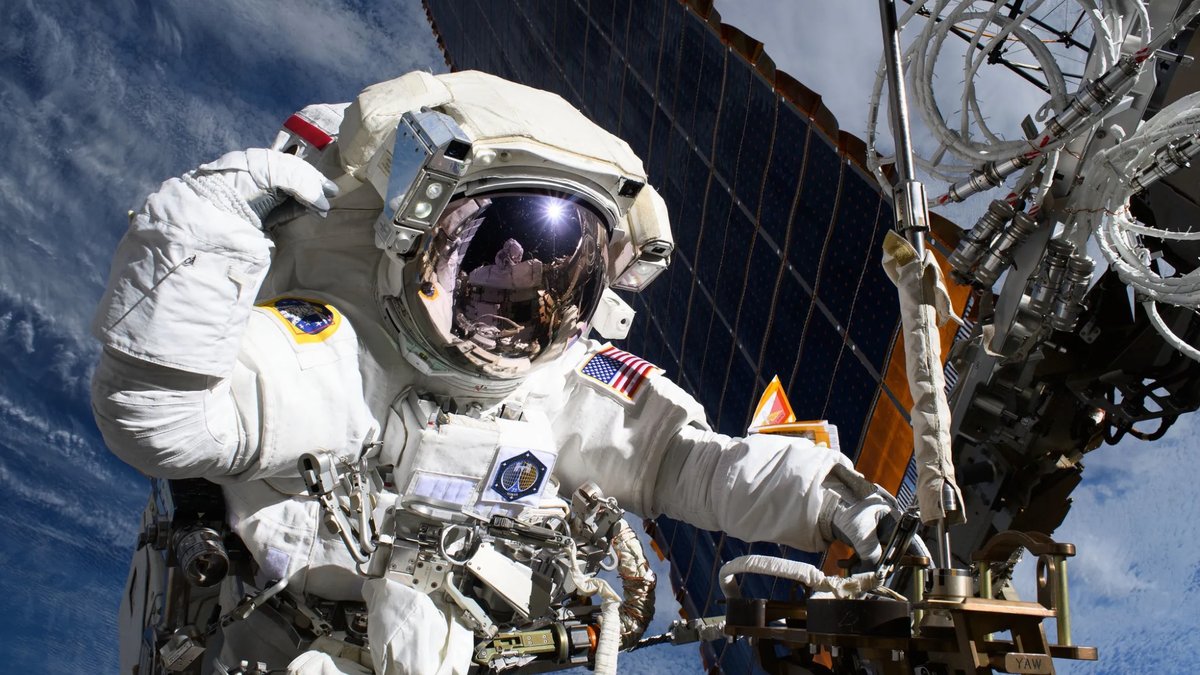
NASA Delays First Spacewalk of 2026 Over Crew Member's Medical IssueNASA announced on January 7, 2026, the postponement of a scheduled extravehicular activity (EVA) set for January 8 outside the International Space Station (ISS), citing a "medical concern" with one unidentified crew member. The agency emphasized the situation is stable and no further details would be shared due to medical privacy.The spacewalk, designated U.S. EVA-94, was to feature NASA astronauts Mike Fincke (veteran of nine prior EVAs) and Zena Cardman (spaceflight rookie). Tasks included preparing the station's 2A power channel for future installation of new roll-out solar arrays (iROSAs) and other maintenance.A second planned EVA on January 15 remains under review, with NASA evaluating impacts on upcoming operations, including potential adjustments to Crew-11's return timeline (currently mid-February 2026 via SpaceX Crew Dragon).NASA's Statement and Safety PrioritizationIn an official blog update, NASA stated: "The agency is monitoring a medical concern with a crew member that arose Wednesday afternoon aboard the orbital complex. Due to medical privacy, it is not appropriate for NASA to share more details about the crew member. The situation is stable."The agency added it is "actively evaluating all options" for mission continuity, prioritizing crew health and safety. Rescheduling details will follow in coming days.This marks a rare instance of a medical issue directly postponing an EVA. Past examples include a 2021 delay due to a pinched nerve (later confirmed by astronaut Mark Vande Hei).The Affected Crew and Expedition ContextThe current Expedition includes Crew-11 members: commander Mike Fincke, Zena Cardman, Kimiya Yui (JAXA), and others. The medical concern affects one individual, but NASA has not specified if it involves Fincke, Cardman, or another.Spacewalks require peak physical condition due to the demanding nature of suits and tasks. NASA routinely monitors crew health via onboard medical officers and ground support.Implications for ISS Operations in 2026The delay disrupts early-year maintenance crucial for ISS power upgrades ahead of its planned 2030 retirement. The iROSA installations enhance energy for ongoing research and future commercial modules.NASA is assessing whether to proceed with the second EVA or potentially advance Crew-11's undocking if the issue requires Earth return. Crew-12 launch remains targeted for mid-February.Historical Precedents and RarityMedical postponements are uncommon but not unprecedented:2021: Minor issue (pinched nerve) delayed EVA.
Other cases involved suit malfunctions or debris risks, not health.
NASA's robust contingency planning includes in-orbit treatment capabilities and rapid return options via Crew Dragon.Community and Expert ReactionsSpace enthusiasts expressed concern but praised NASA's caution: "Crew safety first—always," trended on social media. Analysts noted the transparency in announcing the delay while protecting privacy.As NASA provides updates, the focus remains on crew well-being amid a busy 2026 ISS schedule.
Comments (0)
Please log in to comment
No comments yet. Be the first!