Finance & Business
YouTube Is Now the World's Largest Media Company — and Hollywood Has No Answer
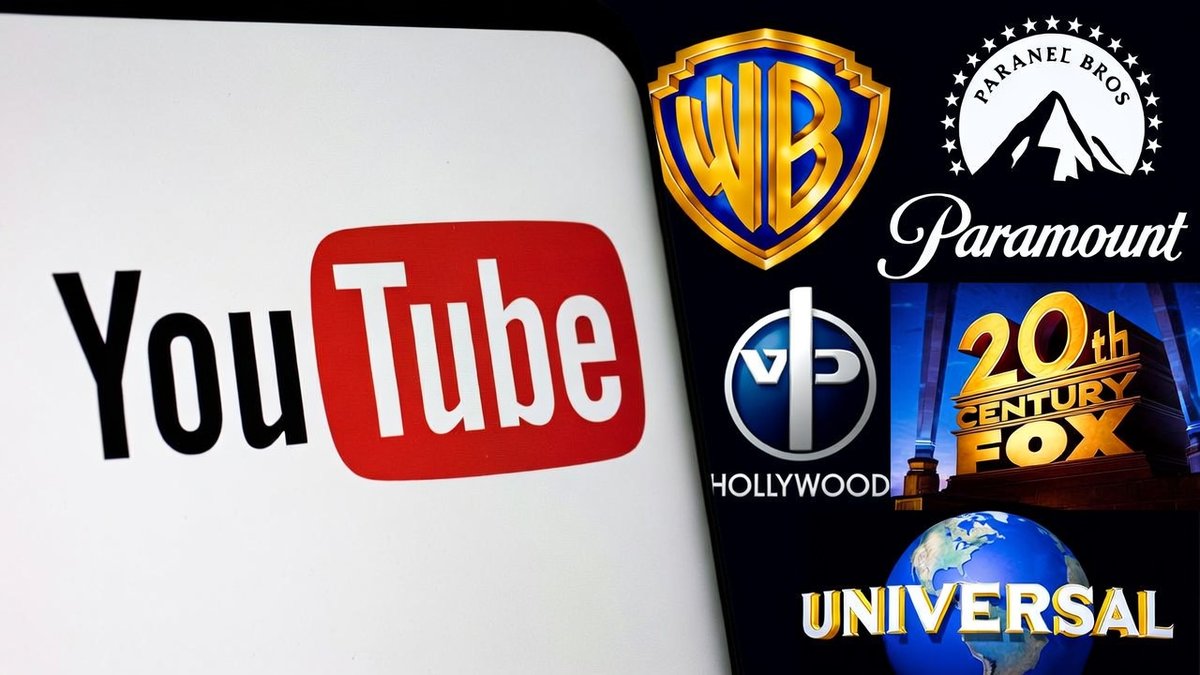
The crown has changed hands. For decades, Disney was the undisputed king of global media — a $100 billion entertainment empire built on theme parks, film studios, cable networks, and the most beloved character library in the history of popular culture. On March 9, 2026, research firm MoffettNathanson formally declared that YouTube — a platform launched by three former PayPal employees in a garage in 2005 and acquired by Google for $1.65 billion the following year — is now the world's largest media company. YouTube generated $62.3 billion in total revenue in 2025, edging past Disney's media business revenue of $60.9 billion — and in the process completing one of the most extraordinary competitive reversals in the history of the entertainment industry. The numbers that explain how this happened are staggering — and the implications for Hollywood's future are more serious than most studio executives have yet been willing to acknowledge publicly.
The Ad Revenue Milestone: $40.4 Billion vs $37.8 Billion
The headline figure that sent shockwaves through the media industry this week is YouTube's 2025 advertising revenue: $40.4 billion — a figure that exceeds the combined advertising revenue of Disney, NBCUniversal, Paramount, and Warner Bros. Discovery, which together generated $37.8 billion in ad revenue across the same period. That comparison deserves a moment of reflection. Four of the most powerful entertainment companies in the history of American media — companies that between them own ABC, ESPN, NBC, CBS, CNN, HBO, TNT, TBS, Nickelodeon, Comedy Central, Paramount Pictures, Warner Bros., Universal Pictures, and dozens of other networks and studios — combined for less advertising revenue than a single platform that did not exist 21 years ago. The reversal from 2024 is equally dramatic. In 2024, YouTube's $36.1 billion in ad revenue fell short of the $41.8 billion collectively earned by the same four Hollywood companies. In a single year, YouTube added nearly $4.3 billion in ad revenue while the legacy media group collectively lost $4 billion. The gap swung by more than $8 billion in YouTube's favour in 12 months.
The Total Revenue Picture: $62.3 Billion, Bigger Than Disney's Media Business
YouTube's advertising dominance is only part of the story. Alphabet — YouTube's parent company — disclosed for the first time in its 2025 annual report that YouTube's total revenue exceeded $60 billion for the year. MoffettNathanson's estimate places the figure at $62.3 billion — surpassing Disney's media segment revenue of $60.9 billion and making YouTube larger than any entertainment company in the world except Disney as a whole enterprise, which includes theme parks, cruise lines, and consumer products alongside its media properties. A substantial and growing portion of YouTube's revenue now comes from subscriptions — a deliberate strategic evolution that has made the platform significantly less dependent on advertising cycles. YouTube TV, the live TV streaming service with approximately 10 million subscribers, generates recurring monthly revenue from cord-cutters. YouTube Premium — the ad-free subscription tier — adds millions more. YouTube Music competes directly with Spotify and Apple Music. And NFL Sunday Ticket — which YouTube acquired from DirecTV in 2023 for approximately $2 billion per year — has proven to be one of the most successful sports streaming acquisitions in the industry's history, driving both subscriber growth and premium advertiser rates. Together, subscriptions now account for nearly a third of YouTube's total revenue — a mix that gives the platform a financial resilience that advertising-dependent legacy media networks simply cannot match.
The Viewing Numbers: 11 Consecutive Months at the Top of Nielsen
YouTube's financial dominance is built on a viewing foundation that has no precedent in media history. January 2026 marked the 11th consecutive month that YouTube topped Nielsen's distributor index — capturing 12.5% of total aggregated viewing time among all major media companies tracked. Netflix CEO Ted Sarandos recently noted publicly that more than half of YouTube's audience now watches on television — a data point that fundamentally dismantles the last remaining argument that YouTube is merely a mobile or desktop platform competing in a different category from traditional TV. YouTube is TV. It is the most-watched television network in America. It has been for almost a year. As digital8hub.com has reported, the broader streaming and media landscape has been convulsed by the SaaSpocalypse fears surrounding AI agents — with traditional software platforms facing disruption from AI tools capable of replacing human workflows. The disruption YouTube has brought to traditional media is more advanced, more complete, and more financially devastating than anything the AI agent revolution has yet achieved in any other industry.
What MoffettNathanson's "New King of All Media" Verdict Means
MoffettNathanson — the Wall Street research firm that has tracked media economics more rigorously than almost any other — did not use the phrase "new king of all media" casually. The firm values YouTube at between $500 billion and $560 billion — a figure that exceeds the combined market capitalisation of Disney, Warner Bros. Discovery, Paramount, and NBCUniversal's parent Comcast's media assets. That valuation reflects something the advertising and media industry has been slow to internalise: YouTube is not merely a better version of television. It is a fundamentally different economic organism — one that does not pay for content, does not employ writers or actors or directors at scale, does not build expensive studios or theme parks, and does not carry the legacy cost structures of a century-old entertainment industry. YouTube's content is created by 50 million active creators worldwide who bear all production costs and risks themselves. YouTube provides the platform, the algorithm, the monetisation infrastructure, and the advertising sales — and keeps approximately 45% of all ad revenue generated. Hollywood spent 70 years building the most powerful entertainment industry in human history. YouTube is dismantling it one watch hour at a time. For the latest coverage of the media industry, Big Tech, and the future of entertainment, follow digital8hub.com.
Comments (0)
Please log in to comment
No comments yet. Be the first!