Finance & Business
Xbox Sales Hit an All-Time Low, PlayStation's Worst Since 2000 — Console Pricing Crisis Deepens
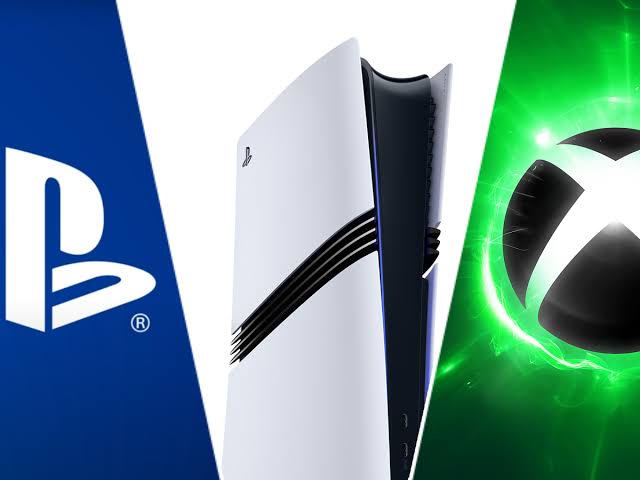
Console gaming's pricing problem hit a new low point in May. According to Circana's monthly U.S. hardware report, Xbox recorded the lowest hardware unit sales for any May month in the platform's history, while PlayStation suffered its worst May performance since the year 2000 — back before the PS2 had even launched in Western markets.
Circana senior director and video game industry advisor Mat Piscatella broke the numbers down in a social media thread, summing up the situation bluntly: "So, I guess we could call the results, uh, mixed?"
The Numbers
PlayStation 5 unit sales dropped a striking 58% year-over-year in May, while spending on PlayStation hardware fell 43% compared to the same month last year. Xbox fared somewhat better on the surface, with unit sales down 12% year-over-year — but that smaller percentage decline still represented the platform's worst May on record, a distinction Piscatella noted explicitly.
Curiously, Xbox hardware spending actually rose 7% year-over-year despite the unit decline, since each console now costs significantly more. PlayStation enjoyed no such offset, with both unit sales and overall spending falling sharply in tandem.
Price Hikes Are the Clear Culprit
The driver behind both declines is unambiguous: console prices have surged. The average price paid for a new piece of gaming hardware in the U.S. reached $502 in May, up 14% from $440 a year earlier.
Sony's increases have been especially steep. The average price paid for a PS5 climbed to $672 in May, a 33% jump year-over-year, following price hikes Sony implemented in April that pushed the standard PS5 to $649.99, the Digital Edition to $599.99, and the PS5 Pro to $899.99.
Xbox hardware wasn't far behind on a percentage basis, with average Series X/S pricing up 22% to $524. Microsoft raised Xbox prices by $20 to $70 last October, and has since announced a further increase of $100 to $150 per unit, set to take effect August 1.
For PlayStation specifically, the math is straightforward: supply isn't the constraint. Sony CEO Hiroki Totoki has previously said the company secured enough PS5 units to last through the entire 2026 calendar year. The drop-off is a pure demand problem, driven by consumers balking at higher price points — leaving Sony with limited options beyond an unlikely price cut or simply waiting for demand catalysts, such as Grand Theft Auto 6's looming November release, to pull buyers off the fence.
Xbox's situation carries an additional wrinkle: Xbox Chief Strategy Officer Matthew Ball has publicly acknowledged that demand for Xbox hardware currently exceeds available supply — meaning the platform is simultaneously supply-constrained and raising prices, a combination that's difficult to spin as anything other than a tough position heading into the back half of the year.
Nintendo Switch 2 Is the Bright Spot
While Sony and Microsoft posted historic lows, Nintendo's Switch 2 continued its remarkable run. The console has now sold 5.9 million units in the U.S. in its first 12 months on the market, making it the second-fastest-selling video game hardware in U.S. history — trailing only the Game Boy Advance, which moved 6.5 million units in its debut year back in 2001.
That growth helped keep the broader hardware category from looking even worse: overall hardware spending actually rose in May, up either 3% or 38% year-over-year depending on the measure cited, thanks largely to Switch 2's contribution. May marked the final month of data before the Switch 2 begins competing against its own launch-year numbers, meaning June's report should offer the first real apples-to-apples read on whether its momentum can continue. Nintendo has also confirmed it will raise Switch 2 prices later this year, though the increase won't take effect until September 1 — leaving a brief window before the console faces the same pricing pressure already weighing on its rivals.
Software Carried the Industry
Despite the hardware struggles, overall U.S. gaming spending in May hit $4.2 billion, up 3% year-over-year, with software and accessories doing the heavy lifting. 007 First Light debuted as May's best-selling game in full dollar sales, becoming the fourth-best-selling game of 2026 so far in the U.S. and also topping the PlayStation platform chart specifically. Racing accessory revenue surged 95% on the back of Forza Horizon 6's release, even as that broader accessory category posted its lowest May unit volume since the Xbox 360 era — another data point underscoring just how price-sensitive consumers have become across the board.
What It Means Going Forward
The Circana data paints a clear picture: console pricing has crossed a threshold where it's now meaningfully suppressing demand, even for established platforms with loyal user bases. With Xbox's next price increase landing August 1 and Sony showing no indication of reversing its own hikes, both companies appear set to continue testing how far buyers are willing to stretch before pulling back further. Whether catalysts like GTA 6's November launch are enough to reverse the trend, or whether 2026 simply becomes the year console pricing outpaced what a meaningful share of the market is willing to pay, should become clearer as the rest of the year's sales data rolls in.
Comments (0)
Please log in to comment
No comments yet. Be the first!