Finance & Business
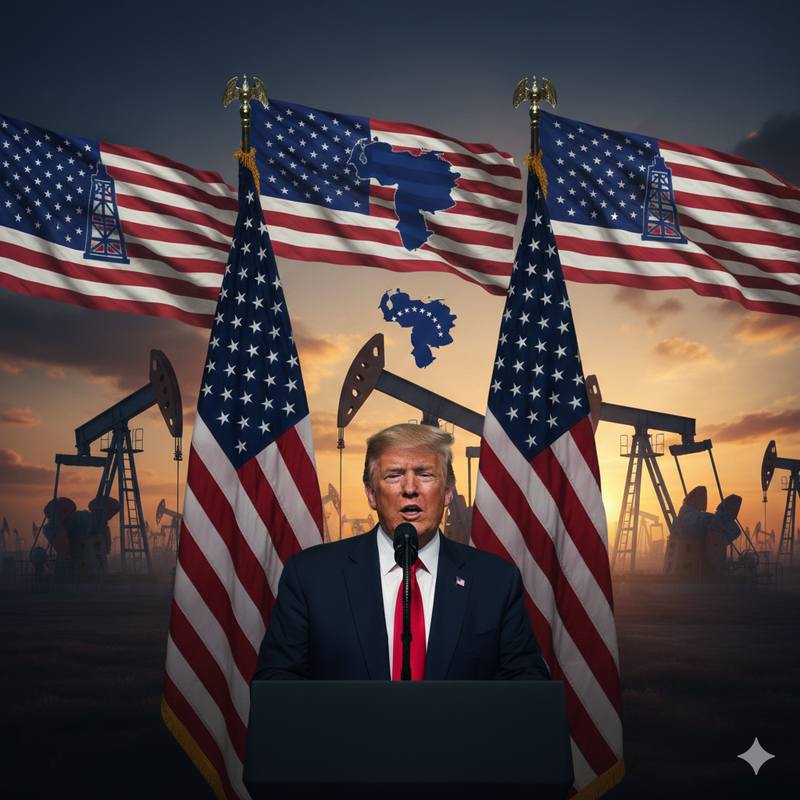
Trump Proposes Taxpayer Reimbursement for US Oil Firms Investing in Post-Maduro Venezuela
Trump Floats Taxpayer-Funded Reimbursement for US Oil Companies Investing in VenezuelaIn remarks at Mar-a-Lago on January 6, 2026, President Donald Trump proposed that the United States government—through taxpayer funds—could reimburse American oil companies for investments made to restart and expand production in Venezuela after the dramatic capture of Nicolás Maduro.Trump described the plan as a way to "quickly and safely" bring Venezuelan heavy crude back online, leveraging the country's estimated 300+ billion barrels of proven reserves—the largest globally. He argued the move would lower global energy prices, reduce reliance on hostile producers, and generate long-term revenue exceeding initial costs.The suggestion came during a wide-ranging press availability addressing the ongoing Venezuela situation, with Trump stating: "We have great American companies ready to go in and fix those fields fast. We'll front the money through reimbursements—tax credits, direct payments, whatever works best—and when the oil flows, America wins big."Market and Industry ReactionThe comments sent US energy stocks higher for a second straight day:ExxonMobil and Chevron gained another 3-4%.
Occidental Petroleum surged 6%, with analysts highlighting CEO Vicki Hollub's aggressive growth strategy.
Oilfield services like Halliburton and SLB rose 4-7%.
WTI crude dipped slightly to $76 on prospects of future supply increases, though near-term geopolitical premiums remain.Details of Trump's Proposed Venezuela Oil PlanTrump outlined a framework where:US firms receive upfront capital or tax incentives for infrastructure repair, drilling, and modernization.
Reimbursements tied to production milestones, repaid via royalties or discounted crude sales to US refiners.
Goal: Boost Venezuelan output from ~800,000 bpd to 2-3 million bpd within 3-5 years.
He emphasized involvement of "only the best American companies," citing Exxon, Chevron, ConocoPhillips, and Occidental as likely leaders. The plan aligns with Trump's "energy dominance" doctrine and promises to counter OPEC influence.Critics and Supporters Weigh InSupporters in the energy sector praised the vision:American Petroleum Institute: "Bold leadership to secure hemispheric energy security."
Republican lawmakers called it a "strategic masterstroke" recouping costs through cheaper fuel and jobs.
Democratic critics raised concerns:Potential misuse of taxpayer dollars for corporate subsidies.
Risks of prolonged instability or new Venezuelan leadership rejecting deals.
Environmental impacts of rapid heavy crude expansion.
House Speaker Mike Johnson indicated congressional hearings on funding mechanisms, while Senate Democrats vowed scrutiny over "corporate welfare."Broader Context After Maduro's CaptureThe proposal builds on the January 3 operation that removed Maduro, with Venezuela now under a transitional council amid international recognition debates. Opposition leader Edmundo González has expressed openness to foreign investment under transparent terms.US officials stress any plan requires stable governance and anti-corruption safeguards. Treasury and State Department teams are reportedly drafting sanction relief packages tied to democratic progress.Global Implications for Oil Markets in 2026A successful Venezuelan revival could add millions of barrels daily by the end of the decade, pressuring prices long-term but easing current tightness. Gulf Coast refineries, optimized for heavy sour crude, stand to benefit most.OPEC+ members, particularly Saudi Arabia, monitor closely—potential supply flood could force production cuts to defend prices.As details emerge, Trump's reimbursement idea represents one of the boldest energy policy proposals of his second term, blending national security, economic incentives, and America First principles.For ongoing developments on Venezuela oil policy and market impacts, follow digital8hub.com.
Comments (0)
Please log in to comment
No comments yet. Be the first!