Finance & Business
Trump Is Un-Sanctioning Russian Oil to Fight His Own Energy Crisis — And Democrats Are Furious
The Iran war has now forced Donald Trump into one of the most extraordinary policy reversals of his presidency. The administration that imposed sweeping sanctions on Russian oil companies Lukoil and Rosneft just last November — in a bid to squeeze Moscow's war financing and pressure Vladimir Putin over Ukraine — is now actively loosening those very same sanctions to combat an energy crisis created by its own military campaign against Iran. Treasury Secretary Scott Bessent confirmed on Friday that the US has issued a 30-day waiver allowing Indian refiners to resume purchasing Russian crude oil currently stranded at sea — and signalled that far broader sanctions relief for Russian oil may follow. WTI crude crossed $90 per barrel on Friday for the first time since September 2023 — up more than $20 in a single week. Senate Democrats are calling it a gift to Putin. The situation is as complicated as it sounds.
What Bessent Said: "We May Un-Sanction Other Russian Oil"
The key statement came from Bessent on Fox Business's Kudlow programme Friday afternoon. The Treasury Secretary confirmed the India waiver — a 30-day licence permitting Indian refiners to purchase Russian crude oil currently stranded at sea, valid through April 3, 2026 — and then went considerably further. "We may unsanction other Russian oil," Bessent said. "There are hundreds of millions of sanctioned barrels of sanctioned crude on the water and in essence, by unsanctioning them, Treasury can create supply, and we are looking at that." AppleInsider The framing was deliberate — Bessent described the India waiver as a "stop-gap measure" that would "alleviate pressure caused by Iran's attempt to take global energy hostage," and promised a continued "cadence of announcing measures to bring relief to the market during this conflict." The message was clear: this is just the beginning.
The India waiver specifically covers transactions involving Russian oil already stranded at sea — vessels blocked by various sanctions regimes whose cargoes are permitted for sale through April 3. Separately, the Treasury Department also lifted sanctions on Rosneft's German subsidiary — ending months of uncertainty for European energy infrastructure. Both moves were announced Thursday night and confirmed in detail Friday, with Bessent's Kudlow interview adding the broader "hundreds of millions of barrels" context that sent markets racing.
Why $90 Oil Changed Everything
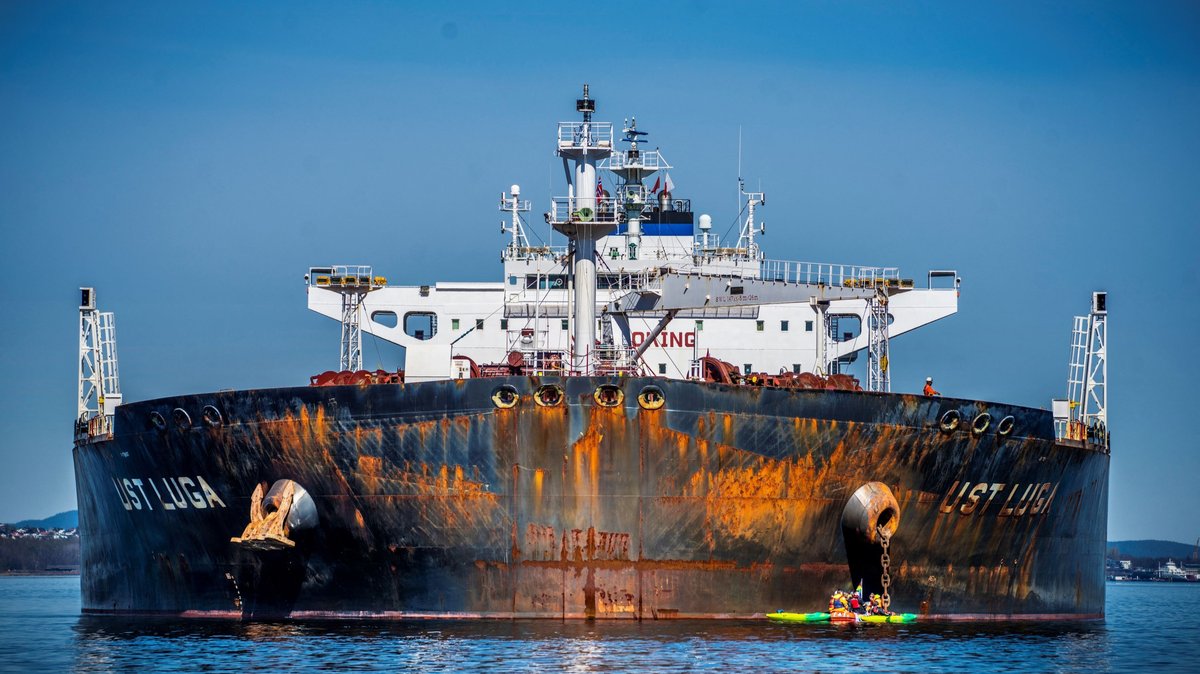
The speed with which WTI crude crossed $90 per barrel on Friday — up from approximately $70 a barrel just eight days ago — explains the urgency behind Bessent's announcement. Gasoline prices at the pump have risen more than 25 cents per gallon since Operation Epic Fury began on February 28 — the highest level of Trump's two combined terms in office. Qatar's energy minister has warned oil could reach $150 per barrel within two to three weeks if the Strait of Hormuz remains closed. The IEA has warned of a potential supply deficit. With over 150 tankers anchored in open Gulf waters, QatarEnergy having declared force majeure, and Iran explicitly threatening to set any transiting vessel ablaze — the administration needed to find supply from somewhere. Russian oil stranded at sea — hundreds of millions of barrels sitting in tankers that can't find buyers because of US sanctions — represents the fastest available solution to a problem that is getting worse by the hour.
The Democratic Response: "A Gift to Putin"
Senate Democrats reacted with fury. A joint statement signed by Senate Minority Leader Chuck Schumer, Senator Elizabeth Warren, Senator Jeanne Shaheen, and nine other senior Democratic senators described the move as a betrayal of both Ukraine and American national security. The statement argued that the move was "giving Putin a huge financial boost and the means to continue his bloody war in Ukraine" News9live — and highlighted a particularly damaging piece of context: the Washington Post had reported just the day before that Russia is actively providing Iran with targeting intelligence to kill American soldiers. Easing sanctions on Russia's most important export — at the precise moment Russia is helping Iran target US forces — was, in Democrats' framing, a staggering contradiction. The statement also noted that the administration had failed to notify Congress 30 days in advance of the sanctions waiver as required under the Countering America's Adversaries Through Sanctions Act — a potential legal vulnerability the administration has not yet addressed.
The Ukraine Dimension: What Putin Gets
The geopolitical complexity of Trump's decision cannot be overstated. Russia imposed sanctions on its oil companies were specifically designed to reduce Putin's war revenue in Ukraine — a policy Trump himself had criticised Biden for not implementing aggressively enough. Now, with those same sanctions being loosened to address a crisis created by Trump's own military campaign against Iran, Putin stands to benefit on multiple fronts simultaneously. Higher global oil prices — driven by the Hormuz crisis — mean every barrel Russia sells generates more revenue. The India waiver reopens a major export route that had been partially closed. And the signal that broader "un-sanctioning" may follow gives Moscow additional leverage in any future Ukraine negotiations. Russia's Deputy Prime Minister Alexander Novak responded promptly: "Our oil is in high demand. If they buy, we'll sell."
What Comes Next: The Bessent Cadence
Bessent's promise of a continued "cadence of announcing measures" suggests the India waiver is the first of several moves. The most significant potential next step — full or partial lifting of sanctions on the hundreds of millions of barrels of Russian crude currently stranded in sanctioned tankers worldwide — would flood global markets with supply and put meaningful downward pressure on prices. Whether that step is taken depends on how quickly the Hormuz crisis evolves, how high oil prices go, and how much political pain the administration is willing to absorb on the Ukraine front. The mid-March Bessent-He Lifeng meeting in Paris — at which the Treasury Secretary is expected to discuss China's purchases of Russian oil — adds another dimension to a situation that is already extraordinarily complex.
Trump started a war to stop Iran. He may end up un-sanctioning Russia to survive it. For the latest coverage of the Iran conflict and global energy markets, follow digital8hub.com.
Comments (0)
Please log in to comment
No comments yet. Be the first!