Finance & Business
The Ultimate 2026 Drone Buyer's Guide: Best Models Amid the DJI Ban Uncertainty
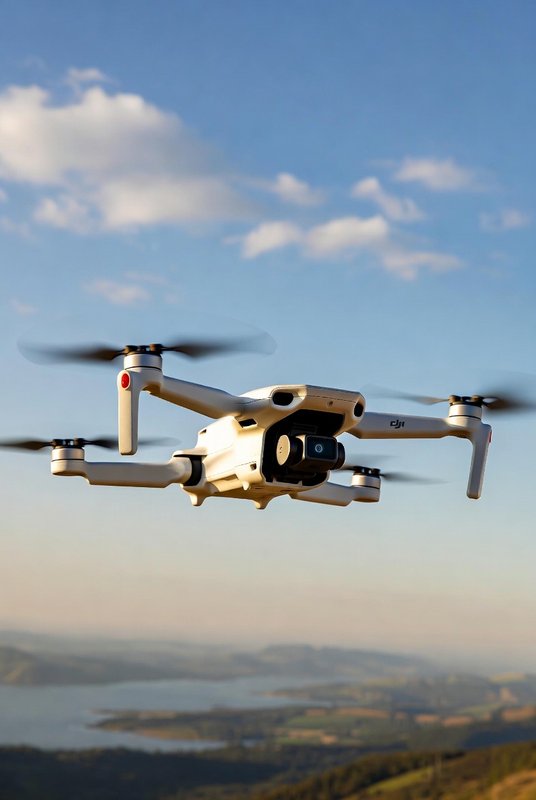
Welcome to the most complicated year in consumer drone history. In 2026, buying a drone isn't just about choosing the best camera or longest flight time—it's about navigating unprecedented regulatory uncertainty, understanding which models will receive future support, and deciding whether to invest in DJI's ecosystem despite mounting questions about its long-term viability in the United States.I believe the best drone overall is the DJI Air 3S. While not much has changed from the Air 3, you're getting amazing 4K video with great low-light performance, and even better stills, thanks to its dual-camera setup. BoxofficeBut here's the reality in February 2026: The FCC banned the import and sale of all new drone models and critical equipment made by foreign manufacturers, including the world's largest drone maker DJI, by adding them into a so-called "Covered List" of entities deemed to "pose an unacceptable risk to the national security of the United States." Movie InsiderAccording to Digital8Hub.com technology analysts, this creates an unprecedented situation where the best drones objectively—based on features, performance, and price—may not be the smartest purchases strategically, depending on your location and use case.Let's navigate this complex landscape together.Understanding the DJI Ban: What You Actually Need to KnowBefore diving into specific drone recommendations, you need to understand what the "DJI ban" actually means—because the reality is more nuanced than headlines suggest.What's Actually Banned (and What Isn't)Your DJI drone will still fly. DJI drones already in the U.S. were not remotely disabled or grounded. Part 107 operations with DJI drones are still allowed. The FAA has not restricted recreational or commercial flight of existing DJI aircraft. Existing fleets can continue operating. There is no requirement to retire or replace DJI drones you already own. Box Office MojoThe ban prevents new DJI drone models announced after December 23, 2025, from receiving FCC authorization for sale in the United States. The import, sale or use of existing device models the telecom regulator previously authorized will continue to be allowed and consumers can continue to use any drones previously purchased legally, the FCC said. Movie InsiderThe Temporary Exemption That Changes EverythingHowever, there's a critical update: On January 7, 2026, a couple of weeks after the December 23rd ruling, the FCC released the NSD FCC Covered List Waiver 0126 which mentions the "DCMA's Blue UAS list." Page two of the document states that foreign-made drones (and components) may be allowed to be sold in the U.S. once they have gone through and passed "rigorous cyber and hardware assessments." These drones will then be allowed to remain available until January 1, 2027. CinemarkIf you currently own a DJI drone and are worried your quadcopter will stop receiving firmware updates, don't fret. The FCC has confirmed that existing foreign-made drones — including those from DJI, Autel and Potensic — will continue receiving firmware/software updates as well as security patches, at least until January 1, 2027. CinemarkWhat This Means for Buyers in February 2026If you're in the United States:
DJI drones approved before December 23, 2025, can still be purchased and used
Firmware and security updates continue until at least January 1, 2027
New DJI models may receive approval through security assessments
The situation could change (positively or negatively) before 2027
If you're outside the United States:
Business as usual—the ban only affects U.S. markets
Full access to DJI's complete product line
No regulatory uncertainty affecting purchases
According to Digital8Hub.com regulatory experts, this creates a "buy now, ask questions later" window for U.S. consumers interested in DJI products, but with the understanding that post-2027 support remains uncertain.The Best Drones of 2026: By Category and Use CaseWith that regulatory context established, let's examine the actual best drones available in early 2026, broken down by what you'll actually use them for.Best Overall Drone: DJI Air 3SPrice: ~$1,099 (with RC-N2 controller)
Weight: 724g (requires FAA registration)
Flight Time: Up to 46 minutes
Camera: Dual camera system (1-inch wide-angle, 70mm medium telephoto)
Video: 4K/60fps, 10-bit D-Log MI believe the best drone overall is the DJI Air 3S. While not much has changed from the Air 3, you're getting amazing 4K video with great low-light performance, and even better stills, thanks to its dual-camera setup. BoxofficeThe Air 3S represents the sweet spot for most users: professional-grade image quality without Mavic-level prices, compact enough for travel, and feature-packed with omnidirectional obstacle sensing and advanced tracking modes.Why it wins: It balances capability, portability, and price better than any competitor. The dual-camera system provides creative flexibility rare in this price range, while low-light performance matches drones costing twice as much.U.S. buyers: The Air 3S received FCC approval before the ban and remains fully available with guaranteed support through 2027.Best Sub-250g Drone: DJI Mini 5 ProPrice: ~$759
Weight: 249g (no FAA registration required)
Flight Time: Up to 34 minutes
Camera: 1-inch sensor, 48MP
Video: 4K/100fpsWith their successor, the DJI Mini 5 Pro, the potential of this cheaper segment of drones has been increased even more. Mini 5 Pro has a 1 inch sensor which is able to produce high-quality images – especially when using the techniques described in my drone photography e-book. Mini 5 Pro is also able to rotate the camera module 90 degrees, which allowing you to take true vertical photographs and videos. Box Office MojoAt 249g, it's not only very small and light, but it also means you don't have to register it with the FAA. BoxofficeThe sub-250g category matters enormously for regulatory compliance. Sub-250g drones are popular. They are lightweight, regulation-friendly, and ideal for travelling. They are also a good option for beginners. IMDbWhy it wins: The Mini 5 Pro packs a full 1-inch sensor—typically found in drones 3x its weight—into a sub-250g frame. This means professional image quality without registration requirements.U.S. availability: As of today, the following DJI drones are still available Cinemark including the Mini 5 Pro. This is the first time the DJI Mini 5 Pro has received such a massive price cut ($500 off!) — and it's the only drone I recommend buying this Presidents' Day BoxofficeBest Camera Drone (Professional): DJI Mavic 4 ProPrice: ~$2,199
Weight: 963g
Flight Time: Up to 45 minutes
Camera: Three-camera system (100MP Four Thirds Hasselblad, 70mm telephoto, 168mm telephoto)
Video: 6K/60fpsSimply put, the DJI Mavic 4 Pro is the best DJI drone on the market. It's an upgrade in just about every way on everything that has come before it. The three cameras are fantastic, as are the features and it's a pleasure to fly. EntertainmentNowThe DJI Mavic 4 Pro redefines the capabilities of prosumer drones thanks to its unique rotating camera and outstanding image quality. The features on offer are truly amazing. Rotten TomatoesThe Mavic 4 Pro's standout feature is its rotating gimbal system. The camera also features complete rotation, so you can capture footage from all angles and maximize creative effects. EntertainmentNowThe main camera is a Four Thirds Hasselblad that can produce up to 100MP resolution for photos and 6K up to 60FPS for video. The other two telephotos are a 70mm camera with a 48MP/12MP 1/1.3-inch sensor and a 168mm camera with a 50MP/12.5MP 1/1.5 in. sensor capable of 4K at 100fps and 4K at 120fps, so slow motion is possible. EntertainmentNowWhy it wins: If budget isn't the primary constraint and you need the absolute best image quality available in a consumer drone, the Mavic 4 Pro delivers. The 100MP sensor and three-camera system provide unprecedented creative flexibility.Professional users: This is the drone that can genuinely replace or complement traditional camera gear for commercial work—real estate, weddings, cinematography, mapping.Best Budget Drone: DJI FlipPrice: ~$439
Weight: 249g
Flight Time: Up to 31 minutes
Camera: 1/1.3-inch sensor, 48MP
Video: 4K/60fps with D-Log MDJI's $439 Flip has a clever, user-friendly design, with all four propellers folding down and stacking below the body like some kind of Star Wars spacecraft. This helps protect the propellers to limit damage or injury in case of a collision. Movie InsiderThat people-safe design lets creators take high-quality 4K 60p video indoors (with D-LogM, HLG and HDR), even with dim lighting, thanks to the relatively large 1/1.3-inch sensor. Movie InsiderFor travelers and content creators on a budget, the DJI Flip is an outstanding choice that delivers premium features at an affordable price. Tom's GuideWhy it wins: At under $500, the Flip delivers features typically found in drones costing 2-3x more. The innovative propeller guard design makes it safer for indoor use and crowded locations.Best for: Content creators, vloggers, travelers who want quality aerial footage without professional-level investment.Best Personal/Selfie Drone: DJI Neo 2Price: ~$329
Weight: 151g
Flight Time: Up to 18 minutes
Camera: 12MP
Video: 4K/60fpsIf you want the easiest DJI drone to fly in 2026, Neo 2 makes a strong case. It's lightweight, approachable, and genuinely fun — especially if you're filming yourself. IMDbWeighs around 151g, lighter than DJI Mini 5 Pro and DJI Flip. Multiple control options: Palm control, gesture control, mobile app control, voice control via mobile, Apple Watch control, and RC control (traditional and motion controller). Supports DJI Goggles for immersive FPV flights. IMDbThe Neo 2's killer feature is its versatility in control methods. You can fly it without any controller—just launch from your palm, use gestures, or even voice commands.Why it wins: For solo creators filming themselves (runners, cyclists, hikers, action sports), the Neo 2's autonomous tracking and controller-free operation make it uniquely practical.Best for: Athletes, solo travelers, vloggers who need hands-free filming.The Non-DJI Alternatives: Are They Worth It?Given the DJI uncertainty, many are exploring alternatives. Here's the honest assessment:Autel Robotics Evo Lite+Price: ~$1,299
Weight: 835g
Flight Time: Up to 40 minutes
Camera: 1-inch sensor, 20MP
Video: 6K/30fpsAutel's Robotics Evo Lite+ has similar autonomous and obstacle detection features to the DJI Air 3S, while adding higher resolution 6K video and a 1-inch sensor, though it lacks a secondary camera. Movie InsiderThe catch: If you prefer to not buy DJI drones due to the (very reasonable) risk that they may soon disappear from the US market, I'd recommend Autel. That company is based in China as well but some of its drones are made in the US and it isn't on any sanctions lists. Movie InsiderHowever, Obviously, DJI and Autel are the major ones that got affected IMDb by the foreign drone restrictions, meaning Autel faces similar long-term uncertainty.Potensic Atom 2Price: ~$549
Weight: Under 250g
Flight Time: Approximately 30 minutes
Camera: 4K
Video: 4KWhy it stands out: Potensic continues to punch above its weight, and the Atom 2 proves that DJI isn't the only player worth watching. New compact design for 2026, as well as a new remote with a built‑in screen—a huge win at this price. DIRECTVThe Potensic Atom 2 is a low-cost, sub-250g drone with impressive features and functionality. The camera is impressive too, with the ability to capture 4K video and photos in Raw and JPEG. Rotten TomatoesWhy consider it: If you want something truly non-Chinese to avoid any regulatory risk, Potensic offers decent performance at budget prices. The built-in screen remote eliminates phone dependency.The trade-offs: Limited ecosystem compared to DJI. Fewer intelligent flight modes. DIRECTV You're giving up software sophistication and flight performance for regulatory security.Skydio (Enterprise Focus)Skydio X10 / X10D. AI-powered autonomy, advanced obstacle avoidance, and rugged construction; Blue UAS approved. Box Office MojoSkydio represents the American-made alternative, but with a crucial limitation: Skydio (an American company) recently discontinued its consumer line to focus on enterprise Movie Insider, meaning no affordable consumer options exist.For commercial operators: Skydio's autonomous flight capabilities exceed DJI's in specific scenarios (infrastructure inspection, public safety), but pricing starts around $10,000+.According to Digital8Hub.com drone industry researchers, the harsh reality is that no non-DJI consumer drone currently matches DJI's combination of features, performance, and price—which explains DJI's market dominance and why the ban creates such disruption.The Leaked Models: DJI Lito 1 and Lito X1Breaking news for U.S. buyers: As spotted by The New Camera, the drones in question are the DJI Lito 1 and the DJI Lito X1, which have both turned up at the Federal Communications Commission (FCC) in the US. FCC approval is required before any tech gadget can be sold in the United States. WikipediaIt seems as though these two models will replace the DJI Mini 4K and the DJI Mini 5 Pro respectively, so we're very much at the entry-level, beginner end of the market. Considering these drones were approved in November and early December, it looks as though they were just in time to beat the US ban that came in on December 23, 2025. WikipediaExpected pricing: Starting prices are predicted to be around $330 (roughly £240 / AU$475) for the Lito 1 and $759 (£555 / AU$1,090) for the Lito X1, which is roughly in line with the current Mini models. WikipediaWhy this matters: If these models launch before April 2026 with FCC approval, they represent possibly the last new consumer DJI drones available in the U.S. market for the foreseeable future.The Decision Framework: What Should YOU Buy?Given all this complexity, here's how to actually make a decision:If You're in the United StatesScenario 1: You're a hobbyist/content creator
Buy now: DJI Mini 5 Pro or Air 3S while available
Why: These represent the best value and will receive support through 2027 minimum
Risk: Post-2027 uncertainty, but you'll get 1-2 years of guaranteed use
Alternative: Wait to see if Lito models launch, potentially getting newer hardware
Scenario 2: You're a commercial operator
If you can afford it: Invest in Blue UAS-approved drones (Skydio, Freefly) for long-term security
If budget-constrained: DJI Mavic 4 Pro or Air 3S as interim solution while monitoring alternatives
Plan: Budget for fleet transition to non-DJI platforms by 2027-2028
Scenario 3: You're a first-time buyer/beginner
Best choice: DJI Flip ($439) offers incredible value with minimal long-term risk
Why: Even if support ends in 2027, you'll have learned on excellent hardware and can transition to whatever ecosystem emerges
Scenario 4: You need professional-grade imaging
Buy: DJI Mavic 4 Pro now
Why: No alternative matches its image quality at any price
Plan: Use it professionally for 2-3 years, recoup investment, then assess market
If You're Outside the United StatesSimple answer: Buy whichever DJI drone fits your needs and budget. The regulatory uncertainty doesn't affect you, so focus purely on features and performance.According to Digital8Hub.com consumer technology advisors, the key insight is that for U.S. buyers, the question isn't "which is the best drone" but rather "which is the best drone I can buy now that will serve my needs through the transition period."
Comments (0)
Please log in to comment
No comments yet. Be the first!