Finance & Business
Porsche Is Cutting 9,000 Jobs by 2035 as It Plans for a Smaller Sales Base
Porsche is not waiting for China to come back.
At a capital markets day in Weissach on Wednesday, the Volkswagen-owned sports-car maker told investors it is planning for persistently lower sales. The break-even point is being cut to fewer than 200,000 vehicles a year, a level chief executive Michael Leiters said the company wants to hit by 2027. Deliveries last year were 279,449. Output peaked around 330,000 in 2023. Since the 2022 listing, global deliveries are down almost 10 percent. China and U.S. tariffs are the two markets named as the damage.
The jobs number attached to that plan is 9,000. An agreement with employee representatives cuts 9,000 positions by 2035, about a fifth of a workforce Reuters put near 42,000. In return, core jobs are secured until 2035. The cuts were already decided and are already being carried out. They are not a notice posted on Wednesday morning. Wednesday was the strategy that explains them: fewer cars, higher prices on the cars that remain, and a cost base that can make money at a volume Porsche no longer believes it will see.
The Margin That Forced the Plan
Porsche went public four years ago under Oliver Blume targeting Ferrari-like double-digit margins. Last year’s operating margin was 1.1 percent. This year the company expects 5.5 to 7.5 percent, on revenue around €36 billion. The medium-term band, roughly five years, is 10 to 15 percent, on revenue of €41 billion to €45 billion. The long-term target is 15 percent. Getting from 1.1 to 15 without the old China volume is the whole presentation.
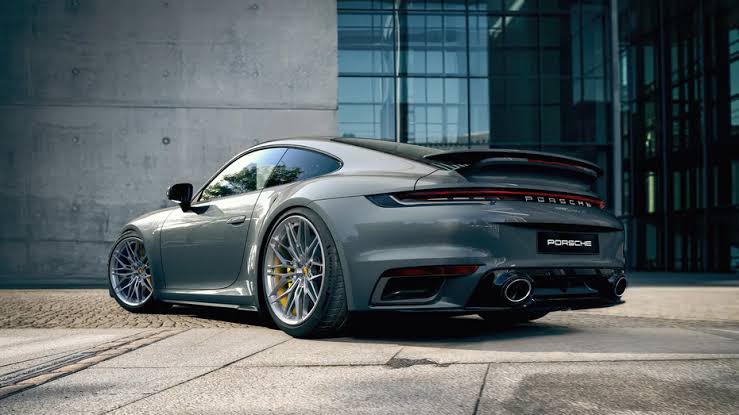
Leiters’ strategy is called Sportwagenschmiede ’35. The average price of top-end models is supposed to rise about 20 percent in the medium term, to more than €330,000, on cars of which at least 10,000 a year would be sold. A new model above the 911 is part of the pitch. Development costs on future models are to fall by up to 20 percent. Production staff costs by up to 30 percent. Sales and distribution by 20 percent. Material costs on new projects by about 10 percent versus earlier plans. Management positions are to fall by 40 percent. The medium-term workforce cut is described as 25 percent, with 30 percent as the strategic target — a wider number than the 9,000 already signed.
Non-core units are already going. Porsche has sold its stake in Rimac and Bugatti Rimac and signed a deal to sell the MHP consulting arm. It plans to close Cellforce Group, Porsche eBike Performance, and Cetitec. The EV reversal is in the model gaps Leiters still has to fill. The smaller Macan SUV was left as an electric-only car in Europe, with the combustion version running out this year, a consequence of an earlier bet on how fast sports-car buyers would switch. That bet was Blume’s. Blume is now chief executive of Volkswagen, where he is pushing a group overhaul that includes on the order of 100,000 job cuts and up to four German plant closures. Leiters is the one who has to make Porsche smaller and more expensive at the same time.
What the 9,000 Is and Is Not
The signed figure is the July package: 5,000 additional layoffs on top of 4,000 already set, about one in five employees by 2035. Handelsblatt reported in September that Volkswagen’s supervisory-board files propose about 4,100 more, to close an overhead gap near €700 million. Those would be on top of the 9,000, and they are a parent recommendation. Volkswagen owns the majority. It does not unilaterally set Porsche staffing. A 13,100 total is a scenario, not an agreement. Writing “Porsche will lay off 9,000 tomorrow” is wrong. Writing “Porsche has agreed to cut 9,000 by 2035 because it no longer plans around 280,000 sales” matches what the company put in front of investors.
Leiters said he does not expect the hard China fight, the supply-chain strain, or U.S. tariffs to ease soon. The break-even under 200,000 is built on a conservative China forecast. A luxury brand that needs 280,000 sales to wash its face is a volume brand with a crest. A luxury brand that makes money at 200,000, with a 911 and a new flagship priced 20 percent higher, is the company he described in Weissach.
What to Watch
Whether the 2027 break-even under 200,000 is met, or whether volume falls faster than costs.
How many of the 9,000 are buyouts versus unfilled roles.
Whether the extra 4,100 becomes a works-council agreement.
China deliveries in the next two quarters.
The price of the first model above the 911, against the €330,000 target.
Porsche’s answer to a sales slump is not a cheaper car. It is 9,000 fewer jobs, a factory that breaks even below 200,000 units, and a higher price on the cars it still wants to be known for. The cuts run to 2035. The margin they are supposed to restore is 15 percent. Last year it was 1.1.
Digital8Hub will update if the additional 4,100 cuts are agreed, or if the delivery target moves again.
Comments (0)
Please log in to comment
No comments yet. Be the first!