Finance & Business
PayPal Applies for US Banking License: What This Means for Digital Finance and Your Money
The financial services landscape is undergoing a seismic transformation, and PayPal Holdings Inc. is positioning itself at the forefront of this revolution. The digital payments giant has officially applied for a banking license in the United States, a strategic move that could fundamentally reshape how Americans manage their money and challenge the traditional banking establishment.
PayPal's Banking Ambitions: Breaking Down the Application
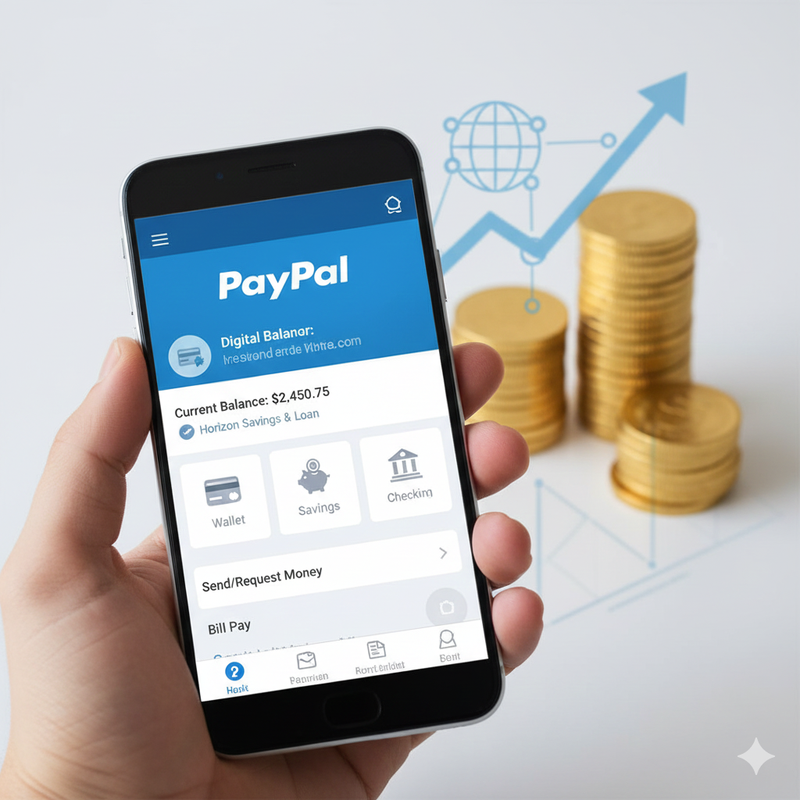
PayPal's application to become a nationally chartered bank represents one of the most significant developments in fintech history. This isn't just about processing payments anymore—it's about offering comprehensive banking services including checking accounts, savings products, lending services, and potentially even investment opportunities, all under the regulatory oversight that comes with a full banking charter.
The application, filed with the Office of the Comptroller of the Currency (OCC), signals PayPal's intention to evolve from a payment processor into a complete financial institution. With over 400 million active accounts worldwide and more than 35 million merchant relationships, PayPal already functions like a bank for many users. This license would legitimize that role and expand the company's capabilities significantly.
This move follows years of PayPal gradually expanding into banking-adjacent services. The company already offers PayPal Cash accounts, credit products through partnerships, buy-now-pay-later services via its acquisition of Honey, and cryptocurrency trading. A banking license would allow PayPal to offer these services directly without relying on partner banks, reducing costs and increasing control over the customer experience.
Why PayPal Wants to Become a Bank
Several strategic factors are driving PayPal's pursuit of a banking license, each reflecting broader trends in financial technology and consumer behavior.
Regulatory Advantages and Cost Savings
Currently, PayPal must partner with licensed banks to offer many financial services, paying fees and sharing revenue. A banking charter eliminates these middlemen, allowing PayPal to capture more value from each transaction. Additionally, banks have access to the Federal Reserve's payment systems and can hold deposits directly, providing cheaper funding sources than PayPal currently enjoys.
The regulatory framework also matters. As a licensed bank, PayPal would gain clearer regulatory guidance and potentially more favorable treatment than operating in the gray area between fintech and traditional banking. This clarity could accelerate innovation and reduce compliance uncertainty.
Competitive Positioning in the Fintech Wars
The fintech sector has exploded with competition. Companies like Square (now Block), Stripe, Chime, and numerous others are vying for dominance in digital payments and financial services. Square already obtained a banking charter in 2021, putting competitive pressure on PayPal to follow suit or risk losing ground.
Traditional tech giants are also entering finance. Apple offers Apple Card and Apple Pay, Google has Google Pay, and Amazon continues expanding Amazon Pay. Even social media platforms are exploring financial services. PayPal needs every competitive advantage to maintain its leadership position in this crowded marketplace.
Meeting Evolving Consumer Expectations
Modern consumers, particularly younger demographics, expect seamless digital experiences across all aspects of their lives, including banking. They want to manage checking, savings, investments, payments, and credit all in one place, preferably on their smartphones. PayPal's existing user base already trusts the platform with their money—offering full banking services is a natural evolution.
Research indicates that consumers are increasingly comfortable with digital-only banking. Neobanks and challenger banks have demonstrated that physical branches aren't necessary for customer satisfaction. PayPal's strong brand recognition and existing relationships position it well to capture this shift.
What Banking Services Could PayPal Offer?
If PayPal receives its banking license, the range of potential services expands dramatically. Here's what users might expect:
Comprehensive Deposit Accounts
PayPal could offer FDIC-insured checking and savings accounts with competitive interest rates. Without the overhead of physical branches, digital banks typically offer higher savings rates than traditional banks. PayPal might leverage this advantage to attract deposits, providing the capital needed for lending operations.
These accounts could integrate seamlessly with PayPal's existing payment ecosystem, allowing instant transfers between your PayPal balance and bank account, simplified bill pay, and enhanced money management tools powered by data analytics and artificial intelligence.
Lending and Credit Products
Currently, PayPal offers credit through partner banks. With a banking license, it could directly originate personal loans, small business loans, and credit cards. PayPal's massive transaction data gives it unique insights into customer creditworthiness, potentially allowing more accurate risk assessment than traditional credit scores provide.
For small businesses especially, PayPal could revolutionize lending. By analyzing merchant payment volumes and patterns, PayPal could offer faster approval and more favorable terms than traditional banks, which often struggle to efficiently serve small business borrowers.
Investment and Wealth Management
PayPal has already entered cryptocurrency trading. A banking license could facilitate expanded investment services including stocks, bonds, ETFs, and robo-advisory services. Integrating payments, banking, and investments into one platform creates a comprehensive financial hub that keeps users within PayPal's ecosystem.
Enhanced Business Services
For merchants, PayPal could offer specialized business banking accounts, treasury management, payroll services, and integrated accounting tools. Small businesses often struggle with fragmented financial services across multiple providers—PayPal could offer an all-in-one solution that simplifies operations and reduces costs.
Impact on Traditional Banks: Should They Be Worried?
PayPal's banking ambitions represent both threat and wake-up call for traditional financial institutions. While established banks have significant advantages including existing infrastructure, regulatory relationships, and customer trust built over decades, they also face challenges adapting to digital-first consumer expectations.
The Competitive Threat
PayPal could siphon deposits and customers from traditional banks, particularly among younger, tech-savvy demographics. With lower overhead costs, PayPal might offer better rates and fees, making traditional banks less competitive. The convenience factor alone—managing all finances through one familiar app—could drive significant customer migration.
Small and medium-sized banks face particular vulnerability. These institutions often lack the technology investment and scale to compete effectively with digital platforms. Community banks might find their customer bases eroding as PayPal offers more convenient, feature-rich services.
Traditional Banking's Enduring Advantages
However, traditional banks shouldn't be counted out. They possess deep relationships with customers, extensive regulatory experience, and established trust particularly among older demographics who may be skeptical of fintech companies. Physical branches, while expensive, still matter to many customers for complex transactions and financial advice.
Large banks are also investing heavily in digital transformation. Institutions like JPMorgan Chase, Bank of America, and Wells Fargo have rolled out sophisticated mobile apps and digital services, attempting to match fintech convenience while leveraging their scale and resources.
Regulatory Considerations and Potential Challenges
Obtaining a banking license isn't guaranteed. Regulatory approval involves extensive scrutiny of capital adequacy, risk management, consumer protection measures, and management competence. The process typically takes 12-18 months minimum and can face unexpected delays or rejections.
Regulatory Scrutiny Factors
The OCC will examine whether PayPal has sufficient capital reserves to weather economic downturns, adequate risk management systems to protect depositors, and proper compliance frameworks for anti-money laundering and consumer protection regulations. Given PayPal's size and complexity, regulators will be particularly thorough.
Political considerations may also play a role. Some policymakers express concern about big tech companies expanding into banking, fearing concentration of economic power and systemic risk. PayPal must navigate these concerns carefully, demonstrating that it will operate responsibly and contribute positively to financial stability.
Ongoing Compliance Obligations
Even after obtaining a license, PayPal would face continuous regulatory oversight including regular examinations, capital requirements, and compliance obligations that are more stringent than those for payment processors. This regulatory burden comes with costs but also legitimacy and consumer confidence.
What This Means for PayPal Users and Everyday Consumers
For the average PayPal user, the banking license could bring significant benefits but also some considerations.
Potential Benefits
Users might enjoy higher interest rates on savings, lower fees, easier access to credit, and more convenient money management—all within an app they already use. The integration of banking with payments could simplify personal finance, reducing the need to juggle multiple apps and accounts.
For international users, PayPal's global presence might facilitate easier cross-border banking and currency exchange at better rates than traditional banks offer. Small business owners could benefit from integrated financial services that streamline operations and provide better insights into cash flow and financial health.
Considerations and Concerns
However, users should consider potential downsides. Digital-only banking means no physical branches for in-person service. While convenient for routine transactions, complex issues or disputes might be harder to resolve without face-to-face interaction. Security concerns also persist—consolidating all financial services with one provider means a single point of failure if accounts are compromised.
Additionally, PayPal's data collection could become more extensive. While banks also collect customer data, PayPal's technology background and integration across services might enable more comprehensive tracking of financial behavior. Privacy-conscious users should carefully review terms and conditions.
The Broader Implications for Digital Finance
PayPal's banking application represents more than one company's strategy—it reflects fundamental shifts in financial services. The line between fintech and traditional banking is blurring, with technology companies offering banking services and banks adopting fintech innovations.
This convergence could ultimately benefit consumers through increased competition, better services, and lower costs. However, it also raises questions about regulation, systemic risk, and the concentration of financial power. As PayPal and similar companies become more bank-like, ensuring appropriate oversight without stifling innovation will be crucial for policymakers.
The future of banking is clearly digital, integrated, and customer-centric. PayPal's move signals confidence that traditional banking models are ripe for disruption and that consumers are ready for fully digital financial relationships. Whether PayPal succeeds in obtaining its license and building a successful banking operation remains to be seen, but the attempt itself is transforming the financial landscape and pushing all players toward greater innovation.
Comments (0)
Please log in to comment
No comments yet. Be the first!