Finance & Business
Oil Prices Jump and Stocks Tumble After Trump Vows More Strikes on Iran
The whiplash continues. Just days after financial markets rallied on hopes of a US-Iran diplomatic resolution, President Donald Trump delivered a nationally televised address that sent those hopes crashing — and oil prices surging in the opposite direction.
"We are on track to complete all of America's military objectives shortly, very shortly," Trump told the nation in a 19-minute speech on Wednesday, April 1, 2026. "We are going to hit them extremely hard over the next two to three weeks."
Markets heard the message — and reacted accordingly.
At digital8hub.com, we've been covering every turn of the Iran war's economic impact since the conflict began on February 28. Today's session was one of the most volatile yet — and the consequences for everyday consumers are now unavoidable.
What Trump Said — And What Markets Did
In his national address, Trump vowed to intensify military strikes on Iran over the next two to three weeks, promised to bring the country "back to the stone ages" if a deal is not reached, and reiterated his threat to bomb Iran's power plants — as well as its oil wells, the Kharg Island oil terminal, and "possibly all desalination plants," which millions of people across the Middle East depend on for drinking water.
The speech offered no new diplomatic pathway, no specific exit strategy, and no timeline for reopening the Strait of Hormuz. Instead, it doubled down on military escalation — and markets priced in exactly what that means for global energy supply.
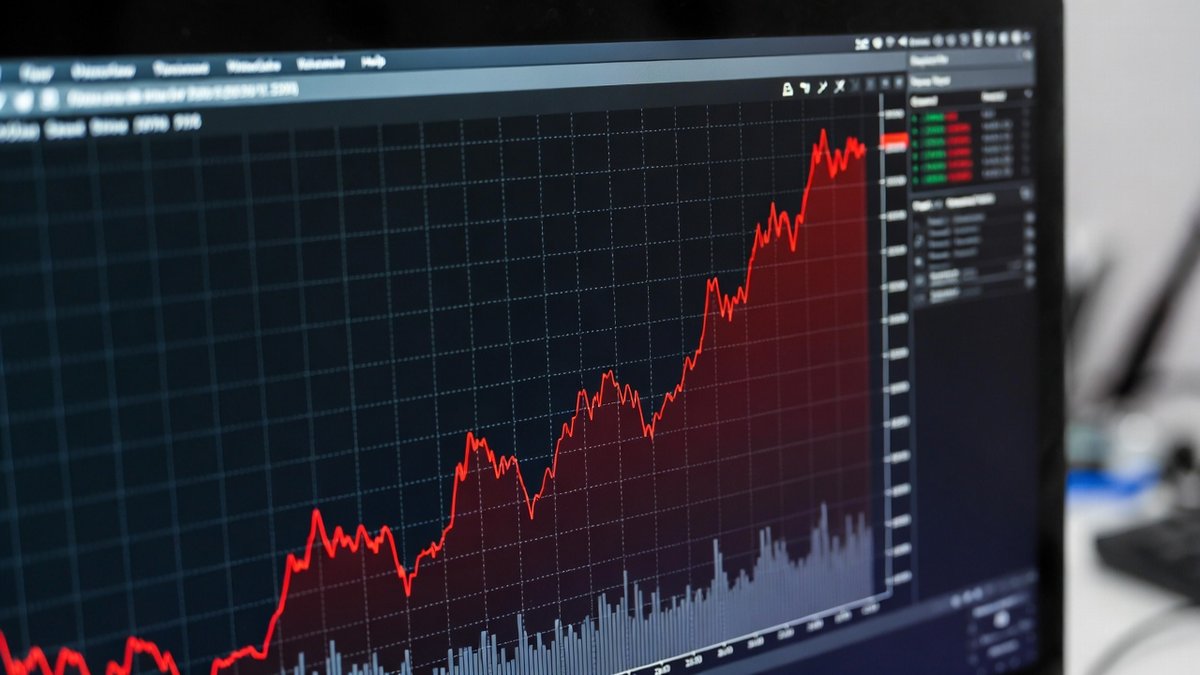
Brent crude, the global oil benchmark, spiked by more than 4% to over $105 per barrel in the immediate aftermath. WTI, the US oil benchmark, climbed more than 3% to over $103 per barrel. Asian markets reversed earlier gains sharply: South Korea's Kospi plunged 4.37%, leading regional losses. Japan's Nikkei 225 fell 2.1%. Hong Kong's Hang Seng dropped 1%. US futures pointed to a negative open on Wall Street.
$4 Gas — A Milestone Americans Will Feel
The speech arrived on the same morning that the average price of gasoline across the United States crossed $4 per gallon for the first time since 2022 — up from $2.98 on February 28, the day the war began. In just over 30 days, the Iran war has added more than a dollar to the cost of a gallon of gas for every American driver.
The White House, for its part, attempted to manage expectations. Press secretary Karoline Leavitt said that once the war is over, gas prices "will plummet back to the multi-year lows American drivers enjoyed before these short-term disruptions."
But the timeline for that recovery — if it comes at all — remains deeply unclear. Even if a ceasefire were reached today, energy analysts note that reopening the Strait of Hormuz and restoring global oil flows would take weeks or months, not days. The infrastructure damage already done to Gulf energy facilities — refineries, LNG export terminals, underwater pipelines — will take far longer still.
The Strait of Hormuz: The Crisis Within the Crisis
The central economic problem of the Iran war is not the strikes themselves — it is the closure of the Strait of Hormuz. The waterway through which roughly 20% of the world's oil supply normally transits has been effectively closed since early March, when Iran imposed a blockade in retaliation for US and Israeli strikes.
In his speech, Trump downplayed the strait's importance — claiming the US did not "need" it and suggesting it would "just open up naturally" after the war. He told allies to "build up some delayed courage, go to the Strait, and just TAKE IT."
That statement — directing allies to seize a militarised waterway that Iran has heavily mined and surrounded with anti-ship missiles — drew sharp responses from across the diplomatic world. JPMorgan CEO Jamie Dimon offered a more measured but no less pointed view: "It's much more important that this be successfully completed than what the market does. We should all hope that these bad people — that we win this thing and clean up the straits."
The US military itself has so far been unwilling to attempt to escort oil tankers through the waterway due to the Iranian military threat. The world's most powerful navy has assessed the risk as too high. The idea that allied navies — most of whom have not joined the conflict — would do what the US military has declined to do is, at best, aspirational.
The Diplomatic Contradiction
The most striking element of today's market chaos is not the oil price surge or the stock sell-off. It is the stunning contradiction at the heart of US policy.
On Tuesday, Trump told reporters that the US would "probably" stop attacks on Iran within two to three weeks — "whether we have a deal or not." Markets rallied sharply on that language, interpreting it as the clearest signal yet that the war had a finite timeline. The S&P 500 posted its best single-day gain since last spring.
Less than 24 hours later, Trump's national address reversed that optimism entirely — promising escalation, intensified strikes, and two to three more weeks of "extremely hard" military action. There was no mention of a deal, no diplomatic off-ramp, and no new detail on how the war ends.
Markets, having rallied on Tuesday's hopeful language, now had to price in Wednesday's bellicose reality. The result was exactly what you'd expect: oil up sharply, stocks down, and global economic anxiety at its highest point in weeks.
The Human Cost Behind the Numbers
The economic data tells one story. The human data tells another.
The total death toll across the Middle East has now surpassed 3,000 people. In Iran, US and Israeli strikes have killed more than 1,900 people, according to Iranian health authorities. At least 1,200 have been killed in Lebanon. Thirteen US service members have been killed in combat, with two more dying of non-combat causes.
Iran's strikes on Gulf civilian infrastructure — desalination plants, airports, food supply chains — have created what one IEA official described as "the greatest global energy security challenge in history." Grocery supply emergencies are being reported across GCC states. Fuel shortages are affecting countries from the Philippines to Zimbabwe. The world is paying an enormous price — in lives, in energy costs, and in the quiet economic suffering of billions of people who had no part in starting this war.
What Comes Next
Trump's speech suggests the war enters a new, more intense phase over the next two to three weeks. Whether that produces a negotiated resolution — or simply more destruction — remains to be seen.
What is certain is that markets will continue to trade on every word from Washington and Tehran. The oil price is the most sensitive real-time barometer of the war's trajectory. When it falls, markets breathe. When it rises, they don't.
Today, it rose. And the world is watching closely to see what the next two to three weeks bring.
Stay across every development in global energy markets, geopolitics, and the economy exclusively at digital8hub.com — your trusted source for breaking news and the analysis that matters.
Comments (0)
Please log in to comment
No comments yet. Be the first!